










Now Reading: Supreme Court: Consensual breakup is not rape, acquits man
-
01
Supreme Court: Consensual breakup is not rape, acquits man



The Story in Brief
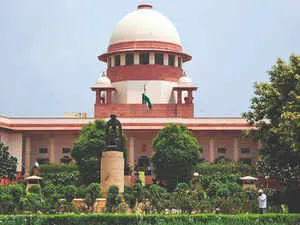
The Supreme Court on Friday, 30 October 2026 held that physical relations established by mutual consent between consenting adults cannot be treated as rape after a breakup. A bench of Justices BV Nagarathna and R Mahadevan acquitted a man who was accused of rape on the basis of a broken promise to marry.
The court warned against a 'worrying trend' of converting failed relationships into criminal cases, saying every broken relationship should not be turned into a rape case. It distinguished between cases where consent was obtained by deception from the beginning, and cases where one partner regrets the relationship after it ends.
The court stressed that rape is a grave crime and should only apply where violence, coercion or deception in obtaining consent is proven. It added that using rape laws to harass someone or force them to stay in a relationship is an abuse of the legal system.
Indian Opinion Analysis
Both verdicts, which fall in line with the plain reading of the order, are essentially neutral transcripts of the Supreme Court's ruling, differing only in the organisational emphasis each outlet's presentation choices create. Bhaskar leads with the headline 'सहमति से बने संबंध ब्रेकअप के बाद रेप नहीं', highlighting the acquittal and the court's broad principle, while TV9 Hindi leads by foregrounding the impact on men's autonomy. Both report the court's five key observations identically, and each notes the caveat about false promises of marriage. The balanced reading is that the court has drawn a clear line between consensual relationships that break down and those founded on deception from the start.
Coverage: 2 sources, 2 neutral
Sources (2): bhaskar.com (neutral report), tv9hindi.com (neutral report)
This brief was synthesised by AI from the 2 sources linked above, so one read covers every framing they carry. Methodology and corrections.