














Now Reading: Supreme Court grants bail to Gadchiroli doctor in UAPA case
-
01
Supreme Court grants bail to Gadchiroli doctor in UAPA case


The Story in Brief
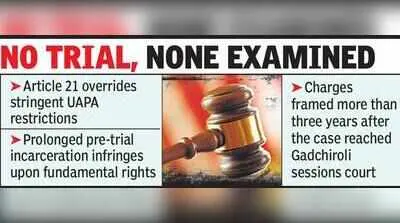
The Supreme Court on Wednesday, 25 November 2026, granted bail to a Gadchiroli doctor jailed for more than four years in a case alleging Maoist links. The bench of Justices Dipankar Datta and Sheel Nagu said prolonged custody, trial delay and the fact that none of 39 prosecution witnesses had been examined supported a strong case for bail.
The court held that Section 43D(5) of the Unlawful Activities (Prevention) Act does not prevent constitutional courts from granting bail when prolonged pre-trial detention infringes fundamental rights. Verdictum reports the bench said the doctor’s alleged contact with rebel factions, if any, could have occurred while performing his Hippocratic oath as a public-employed doctor. The Maharashtra government opposed bail, citing the alleged gravity of the offences and risks to evidence and witnesses.
The outlets differ on his surrender after temporary bail in October 2024. The Times of India says prison records show he surrendered on 24 October 2024, while Verdictum records surrender on 2 January 2025 and says the delay in framing charges was unexplained. The doctor must furnish bail bonds, attend trial and follow conditions set by the trial court.
Indian Opinion Analysis
Both outlets report the same Supreme Court outcome and rely on the court’s concern over prolonged incarceration and delayed trial. The Times of India foregrounds the Nagpur bench’s alleged factual error on the surrender date and the constitutional protection under Article 21. Verdictum instead gives greater prominence to the possibility that the doctor’s contact with rebel factions arose from his medical duty, while recording the prosecution allegations and the 39 unexamined witnesses. The conflicting surrender dates are material because they affect how responsibility for delay is presented, although both accounts say the High Court’s treatment of the delay was flawed. The court’s bail order therefore rests on custody, trial progress and constitutional rights, with continued compliance and the trial court’s conditions now governing the case.
Coverage: 2 sources, 2 neutral
Sources (2): timesofindia.indiatimes.com (neutral report), verdictum.in (neutral report)
This brief was synthesised by AI from the 2 sources linked above, so one read covers every framing they carry. Methodology and corrections.