



















Now Reading: Supreme Court orders Delhi bar bodies to fix women’s quota for 2027 polls
-
01
Supreme Court orders Delhi bar bodies to fix women’s quota for 2027 polls

Supreme Court orders Delhi bar bodies to fix women’s quota for 2027 polls

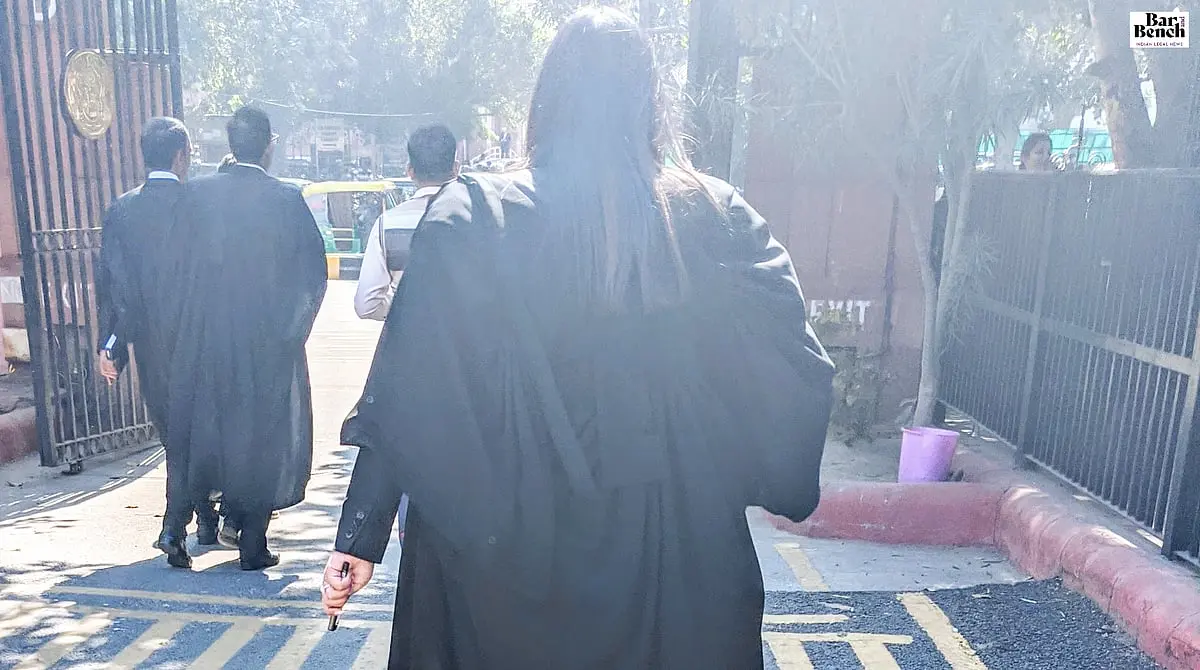
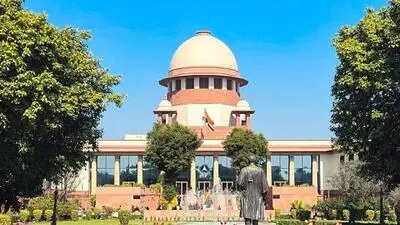
The Supreme Court on Tuesday directed the Delhi High Court Bar Association (DHCBA) and all district court bar bodies in the national capital to jointly work out a structured and institutionalised mechanism for representation of women in their governing councils in time for the 2027 Bar elections. A bench of Chief Justice Surya Kant and Justices Joymalya Bagchi and V Mohana said the Coordination Committee of All District Court Bar Associations of Delhi, in consultation with the DHCBA, must submit an all-acceptable proposal within six weeks.
The Court told the DHCBA the matter was one of leadership and statesmanship, and expressed confidence that a workable solution would be reached without needing further court orders. The order came on a petition by advocate Fozia Rahman seeking reservation for women lawyers. In December 2024, the Court had already directed, on an experimental basis, that the post of treasurer be reserved for women in all Delhi bar associations, one designated senior member executive post for women in the DHCBA, and 30 percent of executive committee posts for women in district court bars.
Indian Opinion Analysis
The Court is applying to professional bodies the same constitutional principle of women's representation it has enforced in panchayats and local self-government since the 73rd and 74th Amendments. Unlike those statutory bodies, bar associations are membership organisations governed by their own rules, making the court-mandated timeline of six weeks unusually short for achieving consensus among multiple independent bodies. The 2027 election cycle is the target because the experimental 2024 interim orders run only until then, so a permanent mechanism must be in place before the next vote. The outcome will test whether institutional resistance to internal reservations, seen in many professional bodies, can be overcome within a court-negotiated framework.
The petitioner sought not just quotas but a lasting system, and the six-week deadline leaves no room for delay: if the bar bodies fail to agree, the Court may impose a formula itself.
Source: barandbench.com
This story was synthesised by AI from the source linked above. Methodology and corrections.