












Now Reading: SC orders Delhi police audit of crime-prone areas in 4 weeks
-
01
SC orders Delhi police audit of crime-prone areas in 4 weeks


The Supreme Court on Monday directed the Delhi police commissioner to constitute dedicated teams for each police district, headed by an officer not below the rank of deputy superintendent of police, to…
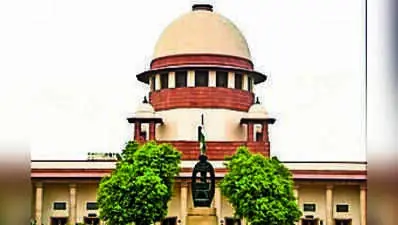
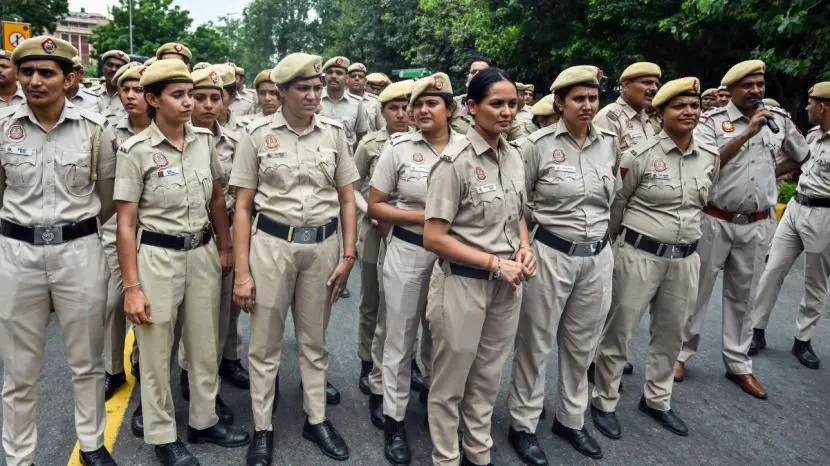
The Supreme Court on Monday directed the Delhi police commissioner to constitute dedicated teams for each police district, headed by an officer not below the rank of deputy superintendent of police, to survey and inspect vulnerable areas within four weeks. The bench of Justices J B Pardiwala and K Vinod Chandran, hearing a suo motu case after a series of sexual offences against minor girls and women in Delhi-NCR, ordered a district-wise vulnerability map to be prepared and shared across police stations.
The court mandated an immediate lighting and CCTV audit across all public parks, Metro stations, bus stops, and other public transport facilities to eliminate blind spots. It directed authorities to use the CM Jan Sunwai Portal for citizens to report safety deficiencies, and sought status reports on fast-track courts, the National Database on Sexual Offenders, the Investigation Tracking System for Sexual Offences, and the Mission Shakti programme. India Today reported that five rape cases took place in Delhi within five weeks, and the court drew parallels to the 2012 Nirbhaya case, questioning whether systemic mechanisms have made progress since then.
Indian Opinion Analysis
The Supreme Court's intervention is the dominant framing, but the outlets diverge in emphasis. Rediff.com and LiveLaw.in lead with the court's administrative directives, team formation, audits, and reporting timelines, presenting a straightforward judicial push for systemic reform. India Today, however, foregrounds the decade-lag since Nirbhaya, quoting the bench's question whether meaningful progress has been made, and adds its own ground reality check on non-functional streetlights and absent patrolling across four cities. The gap is not disagreement but depth: the wire-style reports omit the critical time-context and field verification that India Today includes, which gives readers a sharper sense of why the court is acting now. The Delhi High Court must file an affidavit on fast-track courts within four weeks.
Coverage: 4 sources, 4 neutral
Sources (4): rediff.com (neutral report), livelaw.in (neutral report), indiatoday.in (neutral report), indiatoday.in (2) (neutral report)
This brief was synthesised by AI from the 4 sources linked above, so one read covers every framing they carry.
Updated: this story now draws on 4 sources.