
















Now Reading: Supreme Court: Police can’t probe sex determination cases alone
-
01
Supreme Court: Police can’t probe sex determination cases alone


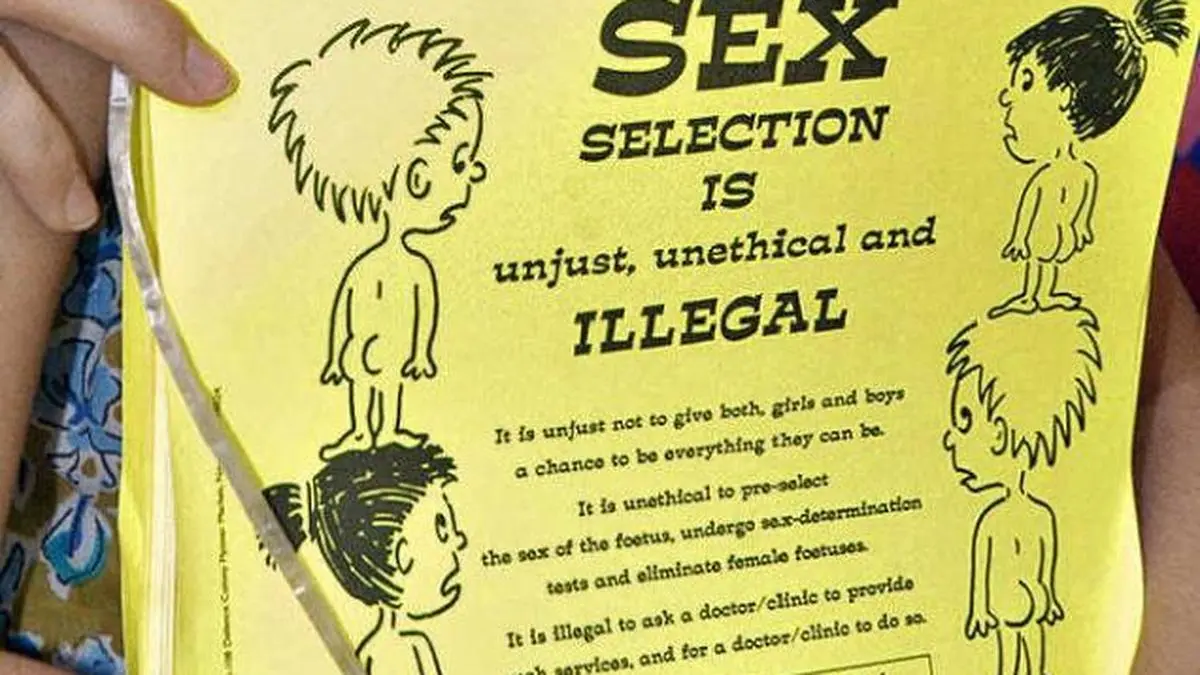
The Supreme Court on August 20 ruled that police cannot independently investigate offences under the Pre-Conception and Pre-Natal Diagnostic Techniques (Prohibition of Sex Selection) Act, 1994. The power lies with the Appropriate Authority, a specialised body under the law.
A Bench of Justice Sanjay Karol and Justice Nongmeikapam Kotiswar Singh settled a disagreement among High Courts. The case stemmed from an illegal sex determination allegation at a Bulandshahar hospital. The District Magistrate, acting as Appropriate Authority, authorised a decoy operation, leading to an FIR that included IPC and PCPNDT offences.
The Court held that Section 27, which makes offences cognisable and non-bailable, must be read with provisions vesting investigation in the Appropriate Authority. Police may only assist in a supplemental role, as per Rule 18A(3)(iv). The ruling applies to offences under the Act, not to independent crimes under the IPC or BNS.
Indian Opinion Analysis
The judgment resolves a decade-long jurisdictional conflict: High Courts in Gujarat, Bombay and Allahabad had differed on whether police could investigate PCPNDT cases. The Act was designed to keep enforcement with medical experts, not general law enforcement, because wrongful raids can disrupt legitimate fertility care. The Appropriate Authority is typically a district health officer, and most states have few such bodies with limited capacity. The ruling now forces states to strengthen these authorities, or cases will simply not be investigated. The next signal to watch is whether the government notifies additional Appropriate Authorities or amends the Act to expand police powers.
Source: thehindu.com
This story was synthesised by AI from the source linked above. Methodology and corrections.