






Now Reading: Genetic tests missing for intersex babies in Tamil Nadu hospitals
-
01
Genetic tests missing for intersex babies in Tamil Nadu hospitals


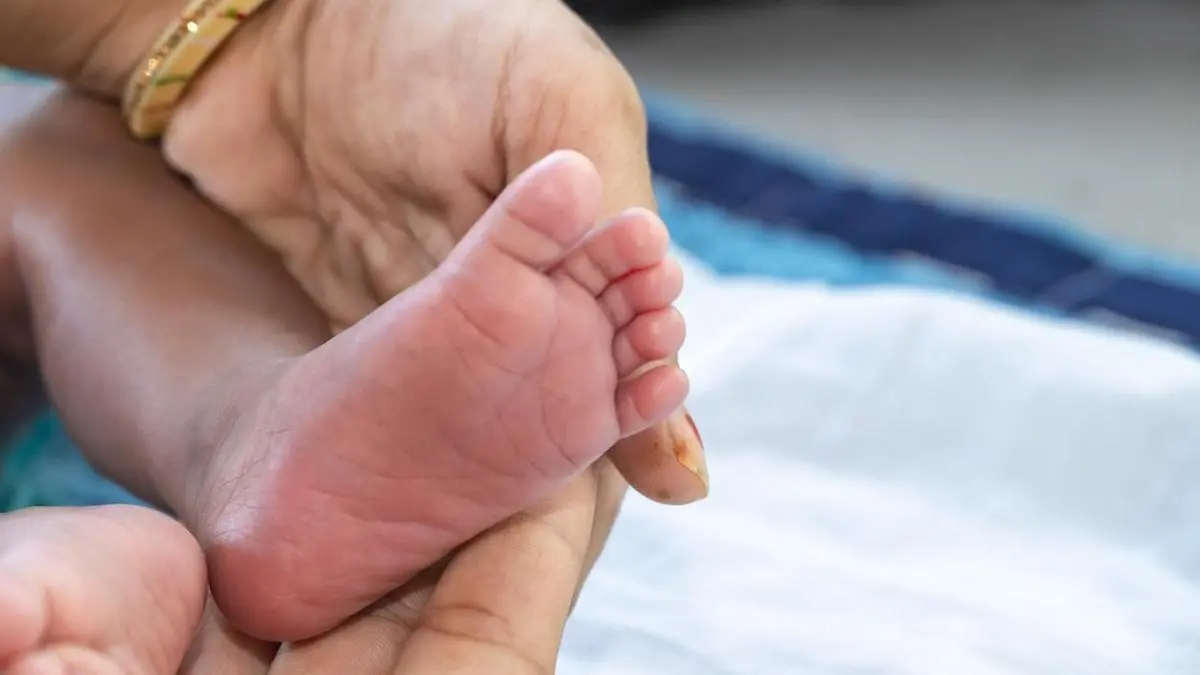
Seven years after Tamil Nadu banned sex-reassignment surgeries on intersex infants, basic karyotyping tests to diagnose variations in sex development remain unavailable in most government hospitals. Of the state's 38 medical college hospitals, only the Institute of Child Health in Egmore has a dedicated genetics department, others outsource testing to private labs at Rs 1,500 to Rs 2,500 per karyotype.
Doctors say the lack of in-house genetic testing delays accurate diagnosis and risks irreversible procedures such as gonad removal. Activists and clinicians are calling for at least two additional centres of excellence for genetics, comprehensive genomic testing including next-generation sequencing, and a national affirmative medical protocol for intersex people.
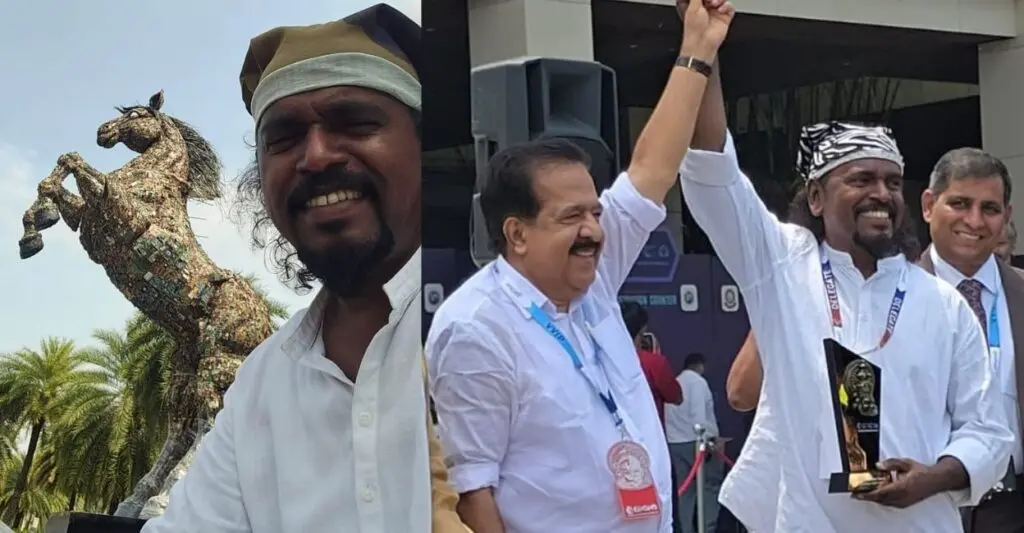
Gopi Shankar Madurai, the National Human Rights Commission's special monitor for SOGIESC rights, said without clinical geneticists as core members of every multi-disciplinary team, accurate subtype identification, cancer-risk assessment and fertility counselling remain incomplete.
Indian Opinion Analysis
The 2019 Madras High Court order was India's first judicial check on medically unnecessary infant sex-normalisation surgeries. That ruling leaned heavily on the concept of bodily autonomy, but it did not compel the state to build the diagnostic infrastructure needed to make the ban workable. Tamil Nadu has 38 medical college hospitals, only one has a genetics department. Karyotyping, the cheapest chromosomal test, costs Rs 1,500 to Rs 2,500 when outsourced, piling costs on families the policy was meant to protect. The National Human Rights Commission has appointed a special monitor for SOGIESC rights, but no national affirmative medical protocol has been notified. The permanent bench of the Madras High Court that passed the 2019 order could be approached for implementation directions.
Source: thehindu.com
This brief was synthesised by AI from the source linked above. Methodology and corrections.