







Now Reading: Supreme Court seeks Centre’s view on law for blood-relative marriages
-
01
Supreme Court seeks Centre’s view on law for blood-relative marriages


The Story in Brief
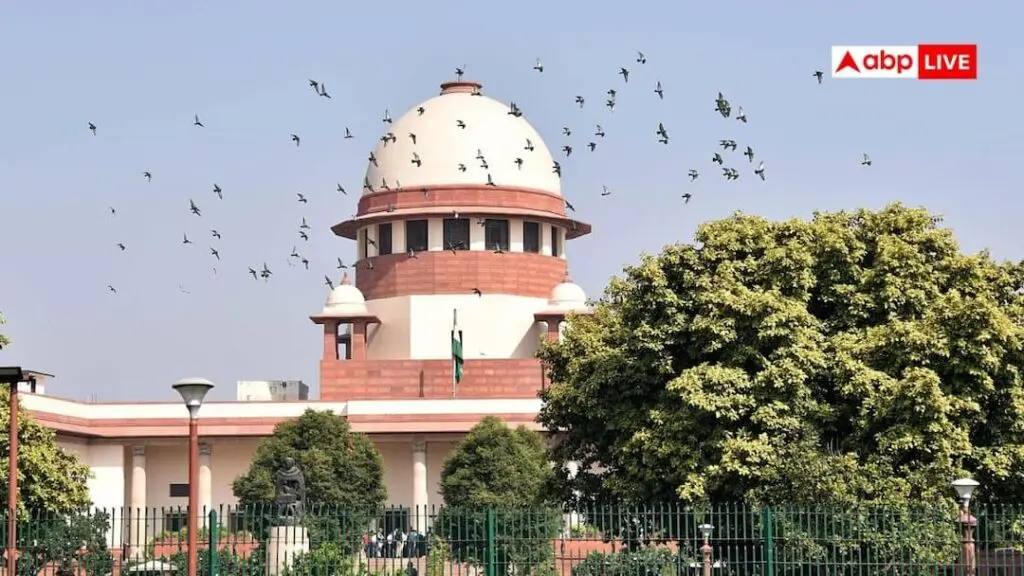
The Supreme Court on Friday, 20 November 2026, asked the Centre for its response on the ‘desirability’ of bringing legislation on marriages between individuals closely related by blood. A bench led by Chief Justice Surya Kant said the court cannot regulate such consanguineous unions, which fall within the legislature’s domain. ‘We will not direct them. We will only sensitise them,’ the bench observed.
The court heard a PIL filed by Charvi S., a visually impaired law student from Bengaluru, whose petition highlighted the genetic complications she suffered from her parents’ marriage within the family. The petitioner’s counsel argued that the practice raises inter-generational equity and that people need wide publicity about adverse consequences. The Centre's response has been sought on possible awareness programmes or legislation.
Indian Opinion Analysis
The texts from The Hindu and the Economic Times are near-identical wire copy, each reporting the same bench composition, the same court-room language that it is ‘sensitising’ not ‘directing’ the government, and the same quote about ‘inter-generational equity’. ABP Live adds a human element, naming the petitioner, Charvi S., a visually impaired law student from Bengaluru, and citing a 28% prevalence figure for some southern states, that the two wire copies omit. That detail turns what the first two outlets present as an abstract legal query into a story with a named individual impact. The consistent uniform note across all three sources is that the court is not imposing a ban, the Centre’s response, which all three say has been sought, will determine whether legislation or only awareness drives follow.
Coverage: 2 sources, 2 neutral
Sources (2): Syndicated copy (carried by thehindu.com, economictimes.indiatimes.com), abplive.com (neutral report)
This brief was synthesised by AI from the 2 sources linked above, so one read covers every framing they carry. Methodology and corrections.