

















Now Reading: Twin verdicts: Madras HC allows late termination, SC rejects plea
-
01
Twin verdicts: Madras HC allows late termination, SC rejects plea


The Story in Brief
The Madras High Court permitted a woman to terminate her pregnancy beyond 24 weeks after finding the foetus had neurological abnormalities, while the Supreme Court on Wednesday dismissed a married woman’s plea to end her 26-week consensual pregnancy due to marital discord.
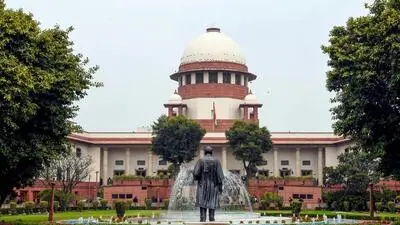
Justice P.T. Asha of the Madras HC quashed a government hospital's refusal, holding that a court must bow to a mother’s ‘heart-rending decision’ not to bring a child with substantial abnormalities into the world, and that the unborn child too has a right to a dignified life. Termination was ordered forthwith. A bench of Justices B.V. Nagarathna and R. Mahadevan in the Supreme Court said a consensual pregnancy within a subsisting marriage cannot be unilaterally terminated merely because the couple developed differences after conception. The court noted the foetus was viable and no statutory exception applied. The woman's husband opposed the termination, arguing he had a right over the unborn child.
The Madras HC ordered immediate termination. In the Supreme Court case, the husband stated he was willing to take care of the child.
Indian Opinion Analysis
The Madras High Court and the Supreme Court delivered contrasting verdicts on Wednesday on two separate termination of pregnancy pleas, both centering foetal viability. The Hindustan Times and Times of India's neutral reporting on the Supreme Court's dismissal of a plea based on marital discord primarily foregrounded the bench's questioning of whether differences with a spouse could be grounds for termination. The Hindu, also neutral in report, focused on the Madras High Court's permission for termination beyond 24 weeks due to substantial foetal abnormalities, quoting the judge's reasoning that a court must respect the mother's decision. The difference reflects the two distinct legal questions, applicable statutory exceptions under the MTP Act versus a mother's right over foetal abnormality, with both benches framing their decisions strictly within the law's provisions.
Coverage: 3 sources, 3 neutral
Sources (3): thehindu.com (neutral report), hindustantimes.com (neutral report), timesofindia.indiatimes.com (neutral report)
This brief was synthesised by AI from the 3 sources linked above, so one read covers every framing they carry. Methodology and corrections.
Update, 4 November 2026: this story now draws on 3 sources.