

















Now Reading: Supreme Court slams lawyer, client for 11-year abuse of justice system
-
01
Supreme Court slams lawyer, client for 11-year abuse of justice system


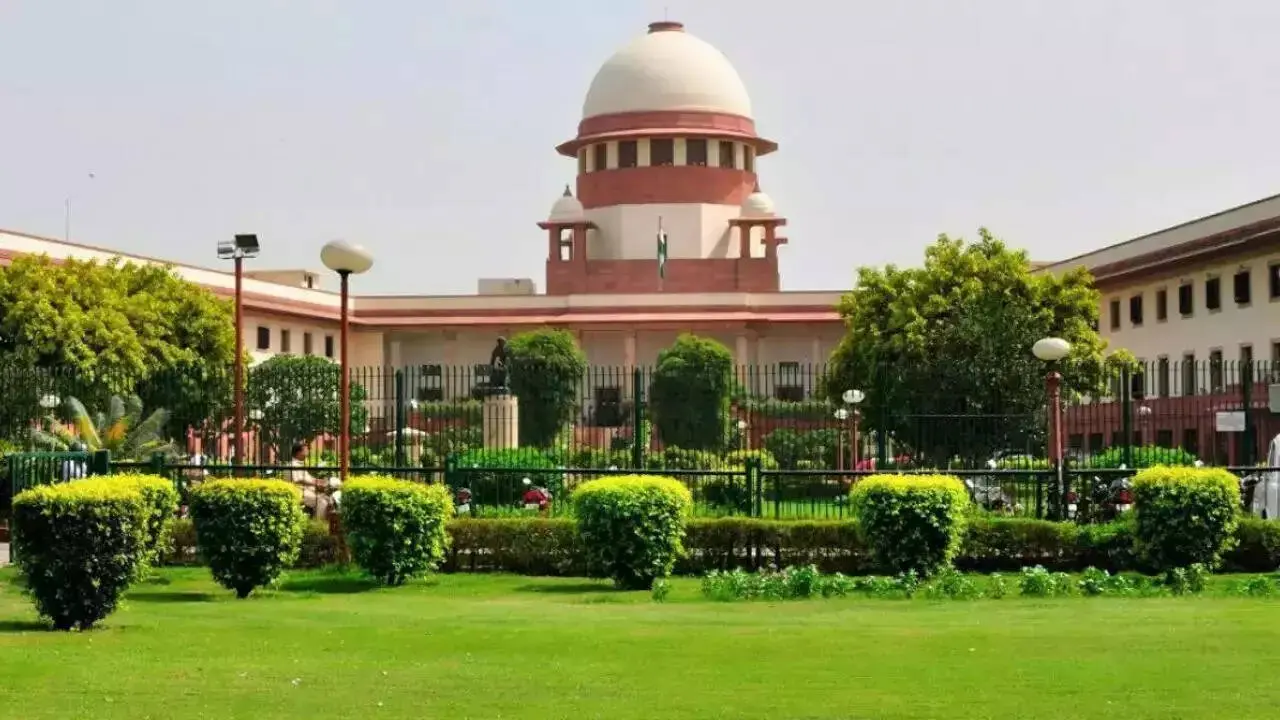
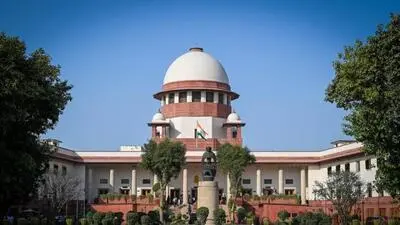
The Supreme Court on Friday strongly deprecated the conduct of an advocate and his former client for wasting over 11 years of judicial time in a personal dispute, stating that the machinery of justice is not a facility to settle scores or salvage reputations. A bench of Justices Vikram Nath and Sandeep Mehta noted that both parties suppressed material facts and did not approach the court with clean hands, occupying the time of the Bar Council of India, a high court, and the Supreme Court that belonged to other litigants needing genuine relief.
The case stems from a 2013 incident where a woman, after an altercation with her brother, alleged a senior police official attempted to sexually assault her. She claimed she shared confidential personal details with the advocate, who then disclosed them to the media and issued a public notice without consent. The Bar Council of India found the advocate guilty of professional misconduct, suspending his licence for two years and directing him to pay Rs 3 lakh to the woman and Rs 2 lakh to the BCI. Both parties challenged this order.
The Supreme Court imposed costs of Rs 5,00,000 on each party, to be deposited with the Supreme Court Legal Services Committee within four weeks. The bench remarked that in a trial, parties often already know the truth, and it is the judge who is on trial, adding that this case illustrates that sobering observation.
Indian Opinion Analysis
This case highlights how personal vendettas can clog the upper judiciary for over a decade, delaying justice for litigants with genuine claims. The Supreme Court's strong language and Rs 10 lakh total costs aim to deter such misuse, but the real burden falls on other case-starved litigants who wait years for hearings. The court also implicitly warns legal professionals that client confidentiality is sacrosanct and that bar council proceedings are not to be weaponised. The key signal to watch is whether the costs are paid within the four-week deadline, which would close this episode without further appeals.
Source: timesnownews.com
This story was synthesised by AI from the source linked above. Methodology and corrections.