














Now Reading: SC: legal aid to accused cannot be a mere ritual or formality
-
01
SC: legal aid to accused cannot be a mere ritual or formality


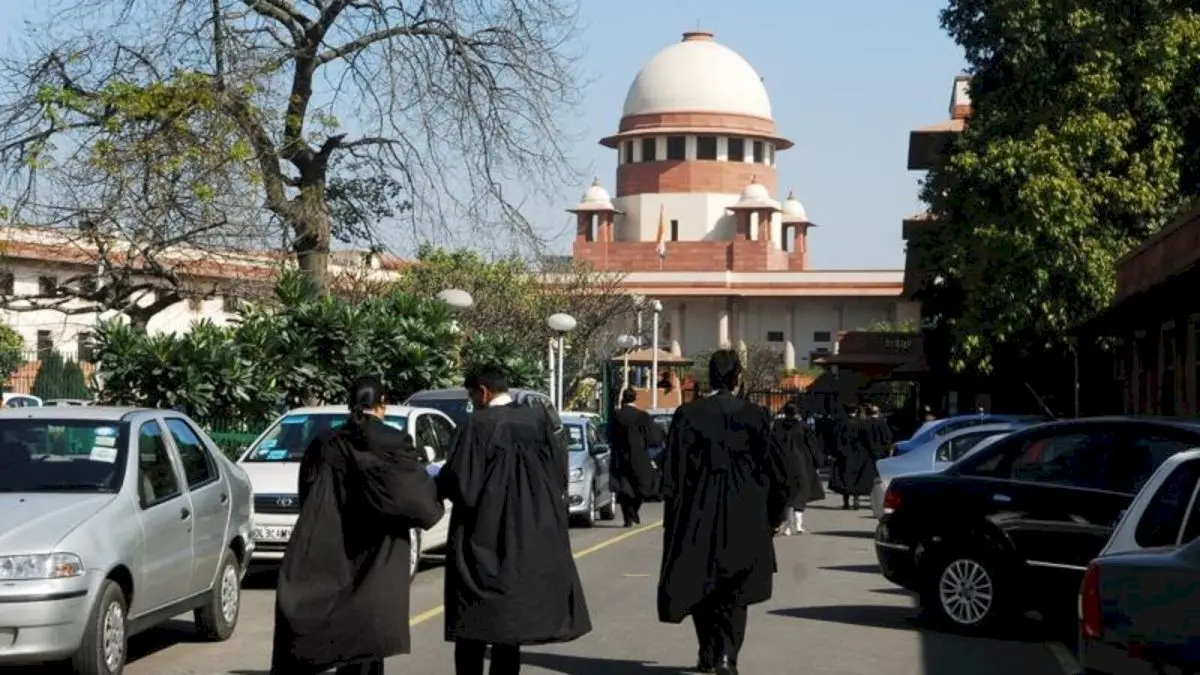
The Supreme Court has stressed that legal aid to an accused must be a substantive exercise, not a token formality. A bench of Justices Dipankar Datta and SC Sharma made the observation…
The Story in Brief
The Supreme Court has stressed that legal aid to an accused must be a substantive exercise, not a token formality. A bench of Justices Dipankar Datta and SC Sharma made the observation while setting aside a Madhya Pradesh high court order that appointed an amicus curiae for a 74-year-old life convict but gave him only six days to prepare and no chance to meet the client. The convict, Nandkishore Mishra, was sentenced to life on December 20, 2022, and has been in custody since October 16, 2020.
The apex court said the amicus was appointed on November 20, 2025, and the high court disposed of the appeal on November 26, 2025, without issuing notice to the accused or having the amicus meet him. It directed the high court to ensure that amici get reasonable time to prepare and adequate opportunity to meet the accused. The matter has been remanded for a fresh hearing within two months.
The Indian Opinion
The Supreme Court has rightly called out a systemic failing, appointing a lawyer who never meets the client or has time to prepare. This case is not an isolated lapse. Many undertrials and convicts in India get lawyers who file nothing, appear once, or vanish. The real test will be whether high courts now issue formal notices to accused persons and give amici weeks, not days, to prepare, and whether trial courts start doing the same. How many pending appeals will get such scrutiny?
Source: millenniumpost.in
This story was synthesised by AI from the source linked above.