


















Now Reading: T20 influence questioned as India struggle on seaming NZ pitches
-
01
T20 influence questioned as India struggle on seaming NZ pitches


The Story in Brief
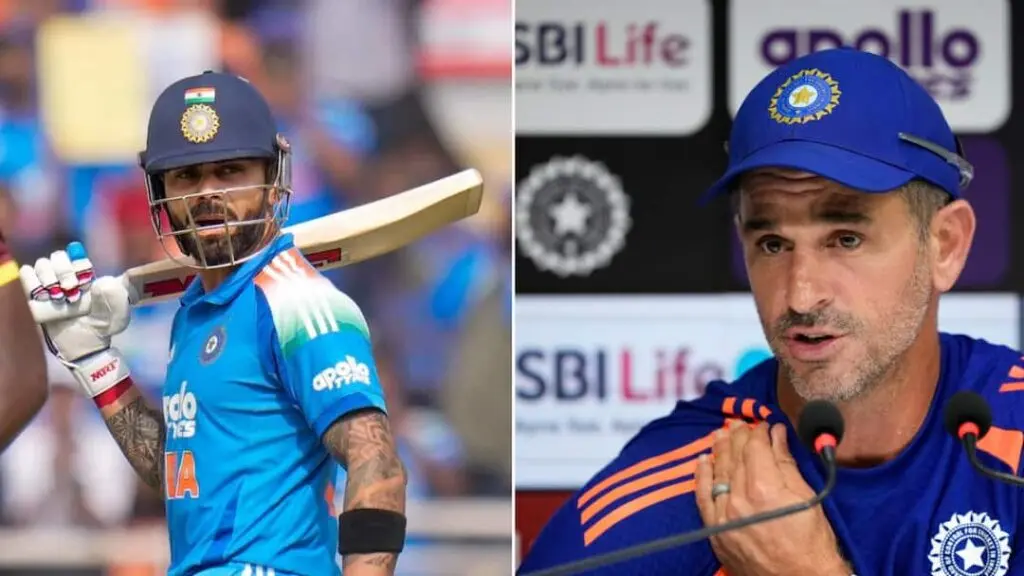
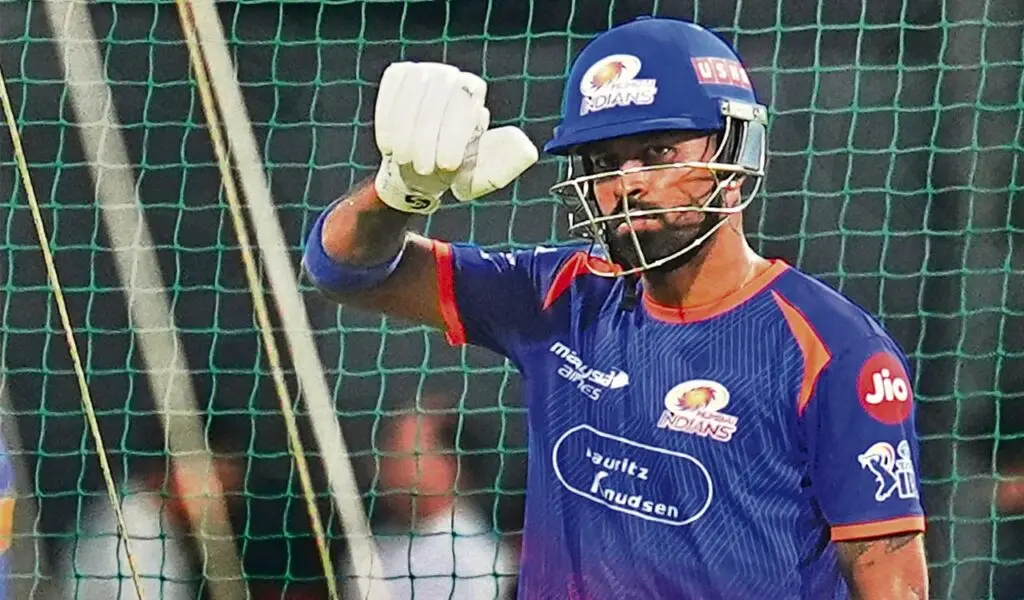
India's recent ODI matches in New Zealand, including Virat Kohli's controlled 74 in Auckland and the team's struggles on a seaming Wellington surface, have revived the debate over T20 cricket's impact on 50-over batting technique. Deccan Herald, Rediff, and Business Standard report that the contrasting conditions have highlighted a ‘hard hands’ approach among top-order batters, who push at deliveries and meet them early, making them vulnerable on tracks with lateral movement.
Data cited by all three outlets, from ESPNcricinfo, shows a rise in strike rate from 64.27 between 2000 and 2007 to 67.27 between 2008 and 2015, while balls per dismissal dropped from 34.01 to 32.30. The proportion of innings where teams are bowled out has also risen from about 29% in the 1980s to 38% after the 2020s. India's ‘Team Control Percentage’ is estimated at 82.8 to 84.6%, compared to England's 76.5 to 78.2% in the Bazball era. A former Indian cricketer, not named in the sources, suggested that historical struggles on seamer-friendly pitches predate T20 cricket, indicating pitch conditions are a primary factor.
Update, 9 November 2026: Business Standard now also reports the story with identical wire copy, confirming the same data and framing as Deccan Herald and Rediff. No new facts, names, or next steps are added beyond what the 8 November version covered.
Indian Opinion Analysis
All three outlets, Deccan Herald, Rediff, and Business Standard, carry near-identical wire copy that frames the India-New Zealand ODIs as raising a debate over T20 cricket's effect on 50-over batting technique. The story is led with the same anecdote about batters struggling on Wellington’s seaming pitch, contrasted with Virat Kohli’s controlled 74 in Auckland. Data on strike rates and balls per dismissal from 2000 to 2015 is reproduced uniformly, and each source includes the ‘hard hands’ critique but notes a former Indian cricketer’s counterpoint that historical struggles on seamer-friendly pitches predate T20 cricket. The coverage is straight reportage with no added editorial slant, keeping the debate open. No outlet names the former cricketer or specifies a next step beyond the question itself.
Coverage: 2 sources, 2 neutral
Sources (2): Syndicated copy (carried by deccanherald.com, business-standard.com), rediff.com (neutral report)
This brief was synthesised by AI from the 2 sources linked above, so one read covers every framing they carry. Methodology and corrections.
Update, 9 November 2026: this story now draws on 3 sources.