



















Now Reading: Tamil Nadu relaxes gold ring scheme residency rule
-
01
Tamil Nadu relaxes gold ring scheme residency rule


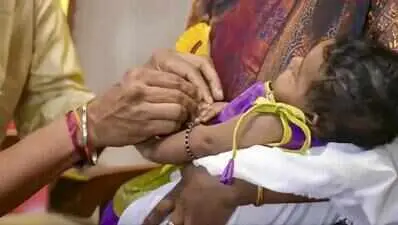
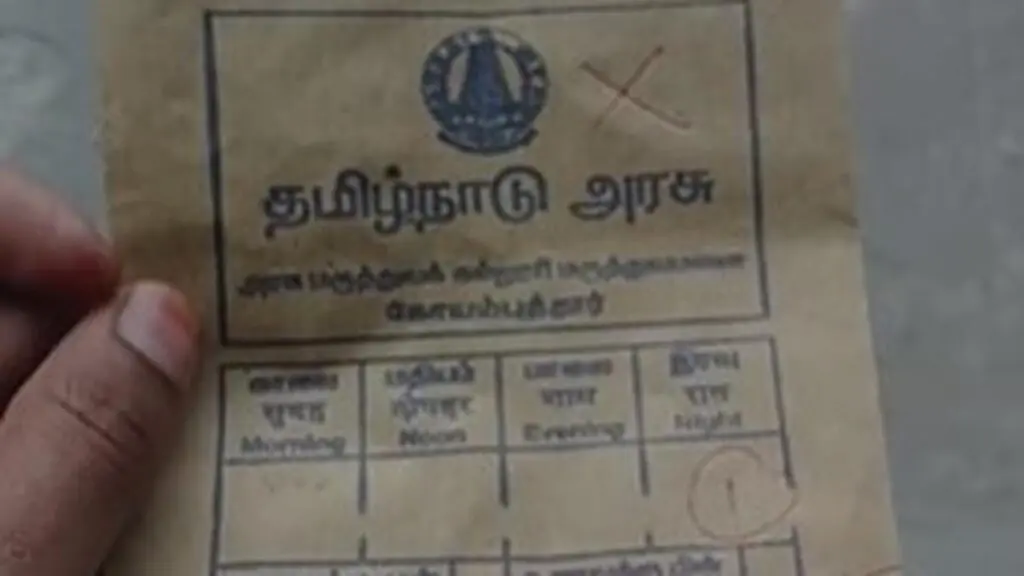
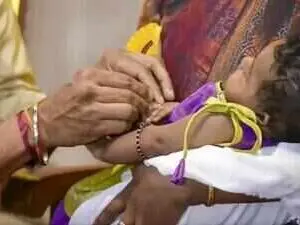
The Tamil Nadu government has relaxed eligibility for the Thaimaaman Thanga Mothiram Thittam, which provides a one-gram gold ring to children born in government hospitals. The scheme, launched by Chief Minister C. Joseph Vijay on 28 September and implemented retrospectively from 22 June 2026, now covers children whose mothers were born in Tamil Nadu but moved to another state after marriage, provided the maternal grandparents are permanent residents of the state.
The change follows the case of Uma Maheswari, who lives in Karnataka’s Mysuru district but delivered a baby at a government hospital in Karaikudi on 17 September. Under the earlier rules, her child was ineligible because she was not a permanent resident. After the amendment, the baby received the ring on 7 October. Families must submit documentary evidence to claim the benefit.
Indian Opinion Analysis
Both The Hindu and The Times of India report the same policy change as a straightforward administrative decision, with identical facts and no critical or political framing. The coverage is uniform straight reporting: each outlet leads with the eligibility relaxation and names the same case of Uma Maheswari as the trigger. Neither questions the scheme’s cost, implementation or timing. The only minor difference is that The Times of India specifies the baby was delivered by C-section, while The Hindu omits that detail. The shared neutral framing means the story’s news value lies entirely in the expanded eligibility and its retrospective application from 22 June 2026.
The concrete next step is that eligible families must now submit documentary proof of the maternal grandparents’ permanent residency in Tamil Nadu to claim the ring.
Coverage: 2 sources, 2 neutral
Sources (2): thehindu.com (neutral report), timesofindia.indiatimes.com (neutral report)
This brief was synthesised by AI from the 2 sources linked above, so one read covers every framing they carry. Methodology and corrections.