















Now Reading: ThePrint subscriber questions whom India chooses to glorify
-
01
ThePrint subscriber questions whom India chooses to glorify



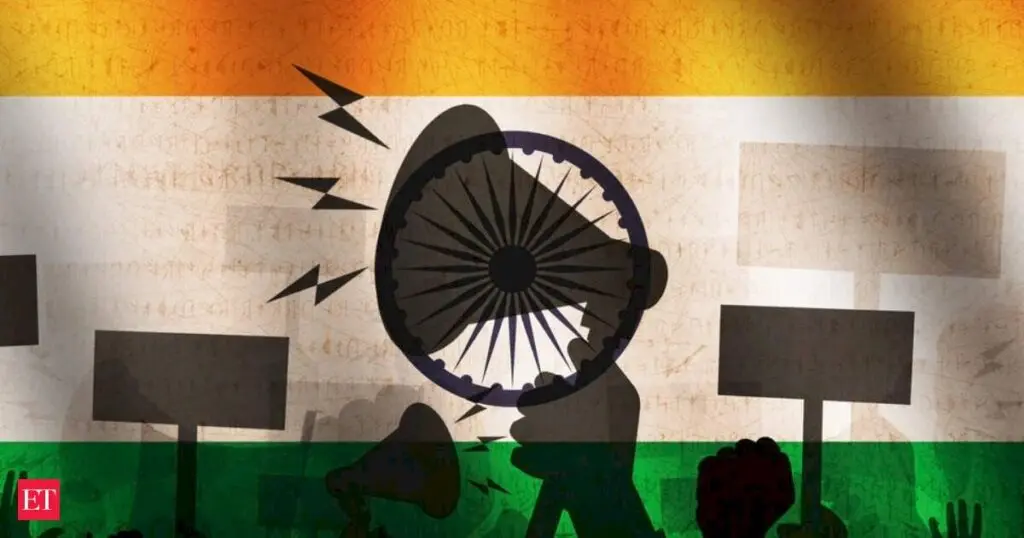
A ThePrint SubscriberWrites article questions whether India celebrates the wrong public figures and institutions. Its headline points to school textbooks, political dynasties, anti-corruption leaders and people who moralise after receiving bail-outs.
The article frames these examples as part of a wider argument about public recognition and national memory. The headline does not provide details of the people, textbooks, cases or bail-outs discussed, or state a specific conclusion beyond questioning the basis for India’s admiration. No policy decision or next step is identified.
Indian Opinion Analysis
Public reputations in India are shaped by several channels, including school curricula, elections, courts, philanthropy and popular culture. These channels use different standards, so criticism of one does not automatically discredit the others. A useful assessment would separate historical importance from moral approval and distinguish allegations from findings by a court or an authorised inquiry. Readers should watch whether the full argument names specific people and records, and whether it offers a standard for deciding who deserves public honour.
Source: theprint.in
This story was synthesised by AI from the source linked above. Methodology and corrections.