




















Now Reading: India’s protest movements that reshaped public life
-
01
India’s protest movements that reshaped public life


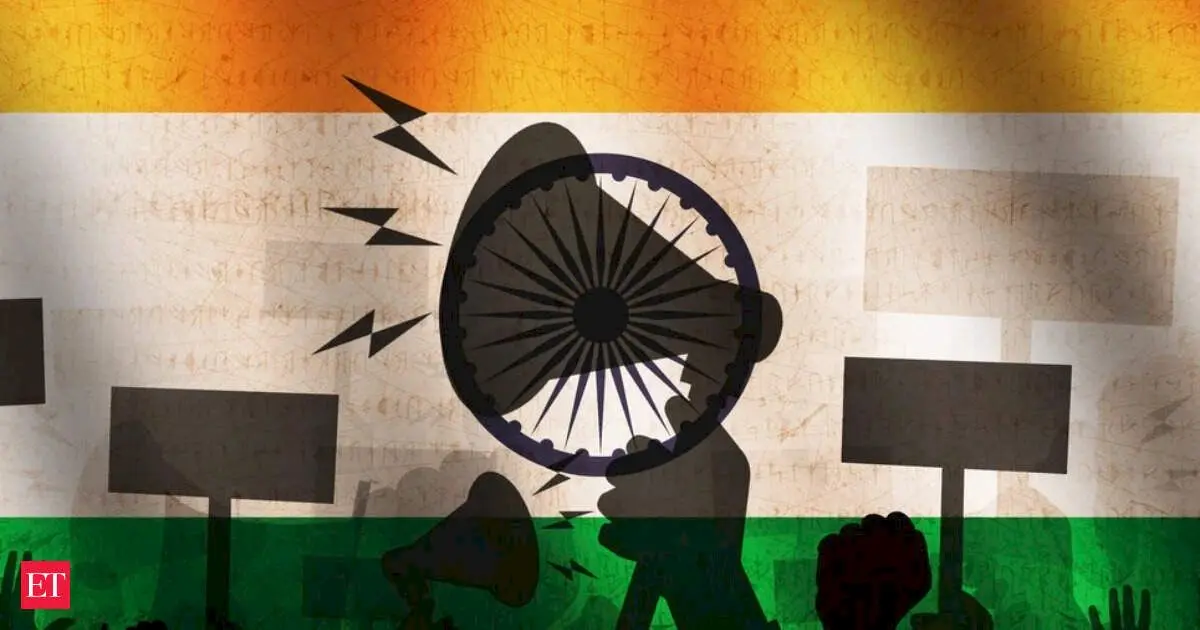
India’s streets have remained a key arena for dissent since Independence, with students, farmers, workers and civil society groups protesting over governance, inequality, corruption and representation, The Economic Times reports. Its account…
The Story in Brief
India’s streets have remained a key arena for dissent since Independence, with students, farmers, workers and civil society groups protesting over governance, inequality, corruption and representation, The Economic Times reports. Its account traces major movements including the JP Movement, Chipko, Mandal protests and Anna Hazare’s anti-corruption campaign.
The JP Movement helped bring India’s first non-Congress government to power after the Emergency. Chipko’s forest protests contributed to a 1980 moratorium on green tree felling in the Himalayas. The Mandal protests transformed debates over caste, merit and representation, while the 2011 Lokpal campaign drew crowds to Delhi’s Jantar Mantar. The latest addition is a youth-led Cockroach Janta Party protest at the same venue.
The Indian Opinion
The lazy narrative is that every street protest either saves democracy or threatens order. India’s record is less tidy. Some movements widened representation or shaped policy, while others produced deep social conflict and political upheaval. The useful test is not crowd size or media noise, but whether a protest wins transparent debate, lawful concessions and durable institutions. For the current Jantar Mantar mobilisation, what specific demand and measurable outcome will remain after the cameras leave?
Source: economictimes.indiatimes.com
This story was synthesised by AI from the source linked above.