














Now Reading: Three new cascade frog species discovered in northeast India
-
01
Three new cascade frog species discovered in northeast India


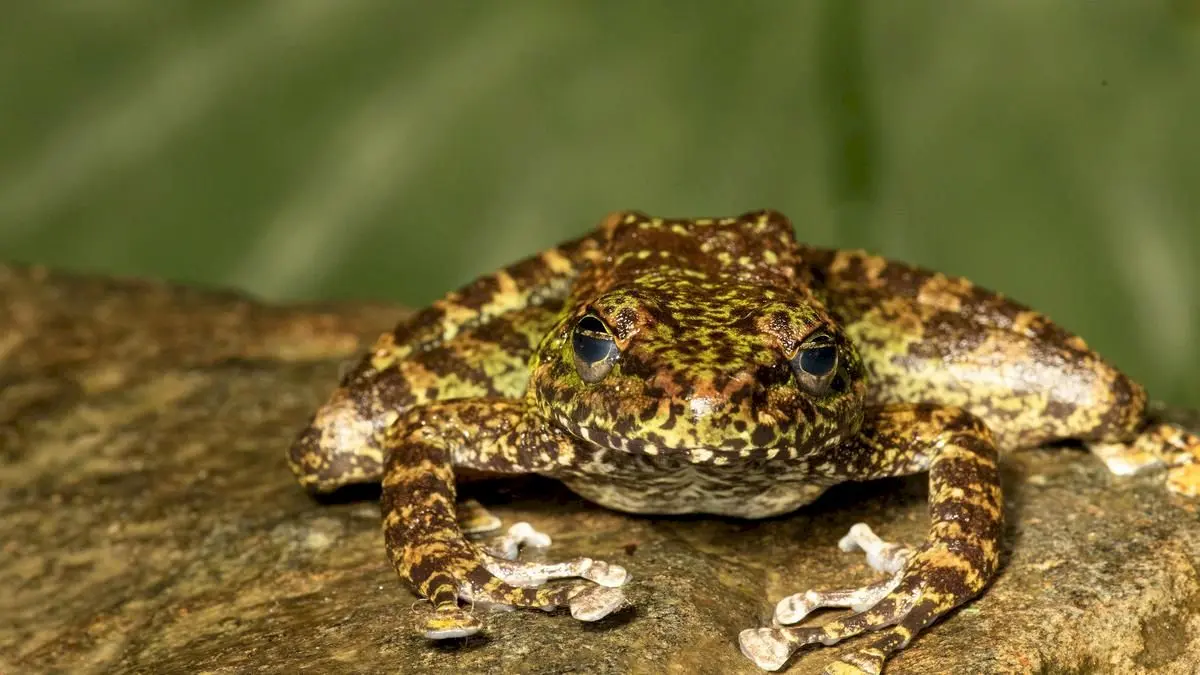
Scientists have discovered three new species of cascade frogs from northeast India after 15 years of field research. The findings, published in the Bulletin of the Museum of Comparative Zoology, were led…
The Story in Brief
Scientists have discovered three new species of cascade frogs from northeast India after 15 years of field research. The findings, published in the Bulletin of the Museum of Comparative Zoology, were led by Professor S. D. Biju of Delhi University. The team documented over 300 populations of these frogs that live in fast-flowing forest streams.
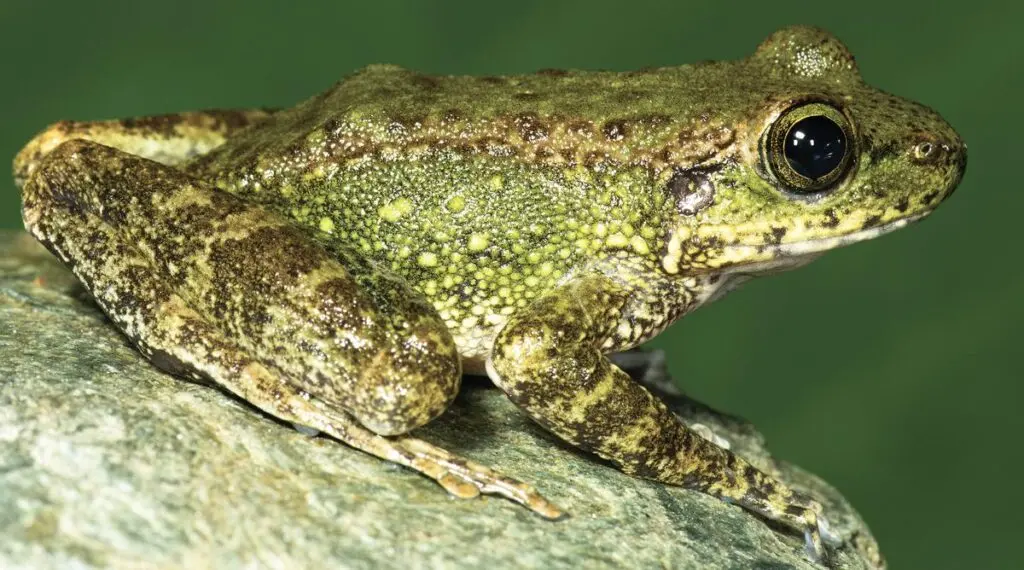
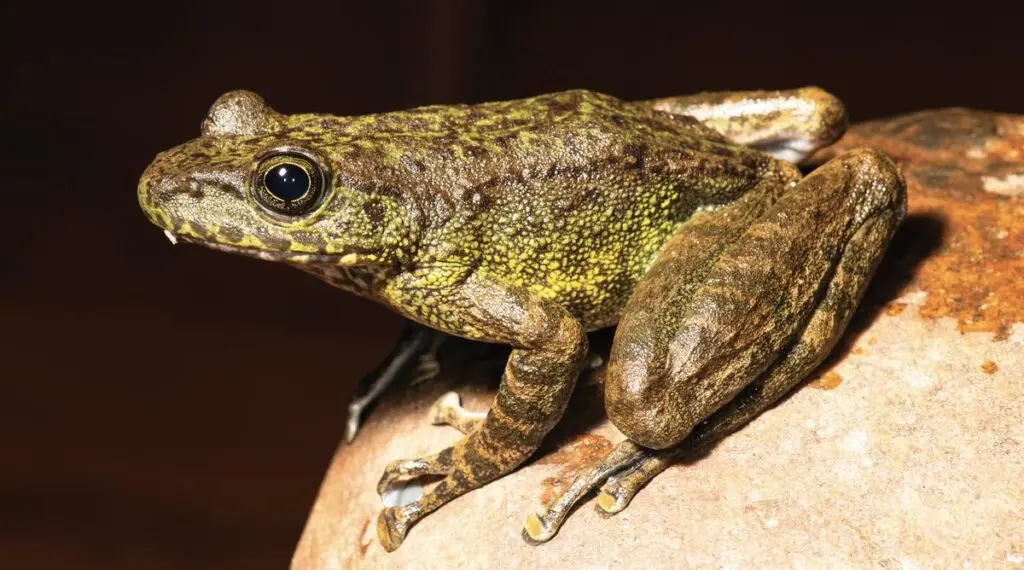
The new species are Ammachi's Cascade Frog from Tripura, named after late Kerala social worker Padmini Varkey; Sendenyu Cascade Frog from Nagaland; and Beautiful Cascade Frog from West Bengal. The study also reported five cascade frog species recorded in India for the first time. DNA analysis suggests the frogs diversified around 32 million years ago.
The Indian Opinion
The usual lazy narrative here would frame this as just another frog discovery in a distant forest. It isn't. Fifteen years of patient fieldwork in some of India's most remote habitats has filled a gap in a difficult taxonomic group. What matters now is whether these new species get any real habitat protection. The forests they came from fall within two globally recognised biodiversity hotspots. Will the state governments even map where these frogs live before the next highway or dam comes through? That is the test.
Sources (2): thehindu.com, timesofindia.indiatimes.com
This story was synthesised by AI from the 2 sources linked above.
Updated: this story now draws on 2 sources.