








Now Reading: Tirupati liquor ban for polls boosts sales in rural outlets
-
01
Tirupati liquor ban for polls boosts sales in rural outlets


The Story in Brief
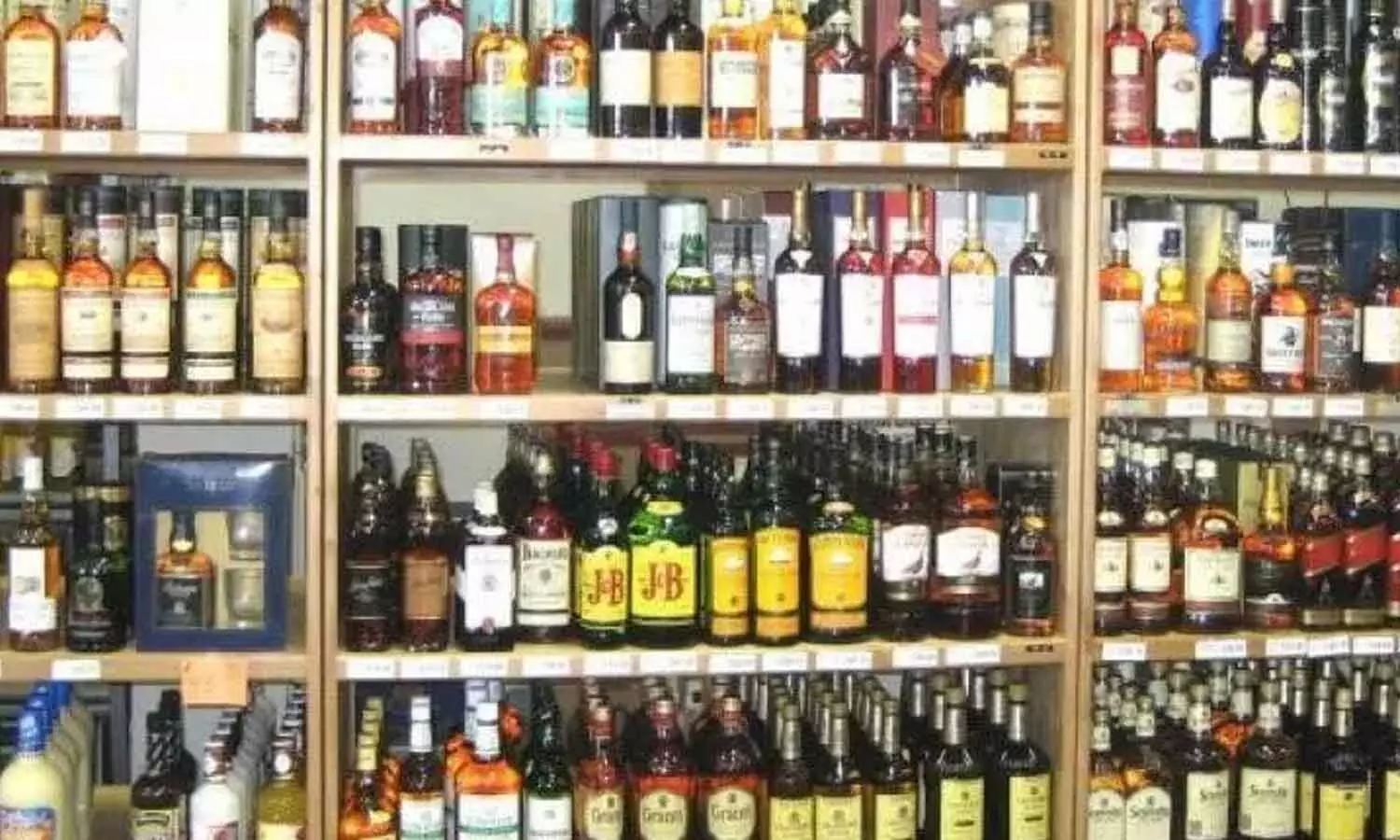
The 48-hour closure of liquor outlets in Tirupati city for municipal elections drove customers to rural shops, a trade official told Deccan Chronicle. Outlets in Chandragiri and Renigunta saw a 30 percent jump in business on 31 October and 1 November. The Election Commission ordered the dry period from 5 pm on 30 October to 5 pm on 1 November, and again on 3 November for the counting day.
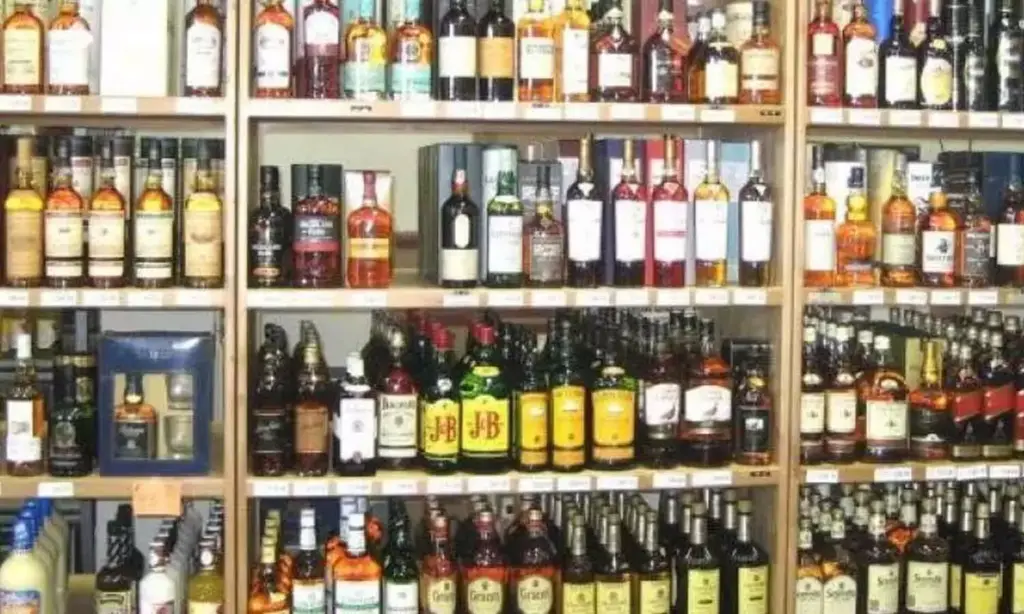
Rural liquor shops around Tirupati recorded an average 23 percent increase in sales compared with normal days, the Hans India reported citing local trade sources. V. Thulasi Ram, a Tirupati rural outlet owner, said customers arrived continuously. Urban outlets in areas such as Korlagunta, K.T. Road, Leela Mahal and Tiruchanur remained shut under the ban designed to prevent liquor from influencing polling.
Indian Opinion Analysis
Deccan Chronicle leads with the rural sales rise attributed to the restrictions and quotes an owner, while The Hans India front-loads the trade estimate and uses the same owner quote, but both articles are essentially the same factual report. Each frames the 23 percent average sales increase as a neutral trade figure and the 30 percent surge as a retail observation, with no critical or pro-government slant. The only difference in emphasis is the lede fact: Deccan Chronicle names individual localities, The Hans India names Chandragiri and Renigunta. The uniform coverage presents a straightforward voter-behaviour story. The next enforcement date is 3 November, when the same 48-hour dry period applies for the counting day.
Coverage: 2 sources, 2 neutral
Sources (2): deccanchronicle.com (neutral report), thehansindia.com (neutral report)
This brief was synthesised by AI from the 2 sources linked above, so one read covers every framing they carry. Methodology and corrections.