











Now Reading: Turtuk, India’s ‘last village’, opens up to tourism
-
01
Turtuk, India’s ‘last village’, opens up to tourism



Turtuk, a village in northern Ladakh just kilometres from the Pakistan border, is drawing tourists eager to experience its unique Balti culture. The area was closed to outsiders until 2010 due to its sensitive location. Residents are now using tourism to gently assert their Balti identity, sharing heritage that was split when the village became part of India after the 1971 war.
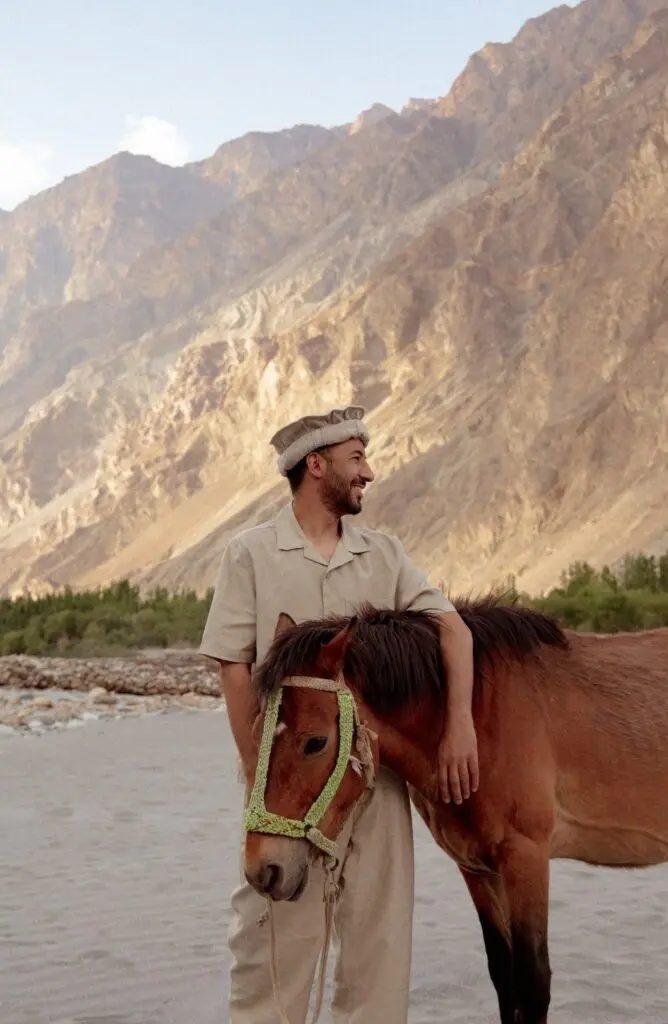
The village is known for its lush apple and apricot orchards, green buckwheat fields, and the icy blue Shyok River. Visitors can dine with the local king at the Yabgo Palace Turtuk, a wooden building with intricately carved balconies. Rashidullah Khan, owner of boutique hotel Virsa Baltistan and founder of the Virsa Polo Club, often guides visitors through the area.
Indian Opinion Analysis
Turtuk is one of four villages in India's Nubra Valley where the population is ethnically Balti, a community that now straddles the Line of Control. Most Balti are Muslim, and their language belongs to the Tibetan-Burman family, distinct from the predominant Ladakhi. The border's closure for four decades meant families could not visit each other, and the area missed out on development. Now, with road access improving, tourism offers an economic lifeline but also raises questions about how to preserve a fragile culture. The next step is whether the government will ease permit restrictions further to sustain the visitor flow.
Source: scmp.com
This story was synthesised by AI from the source linked above. Methodology and corrections.