













Now Reading: Young Indians use multiple credit cards to cut everyday costs
-
01
Young Indians use multiple credit cards to cut everyday costs


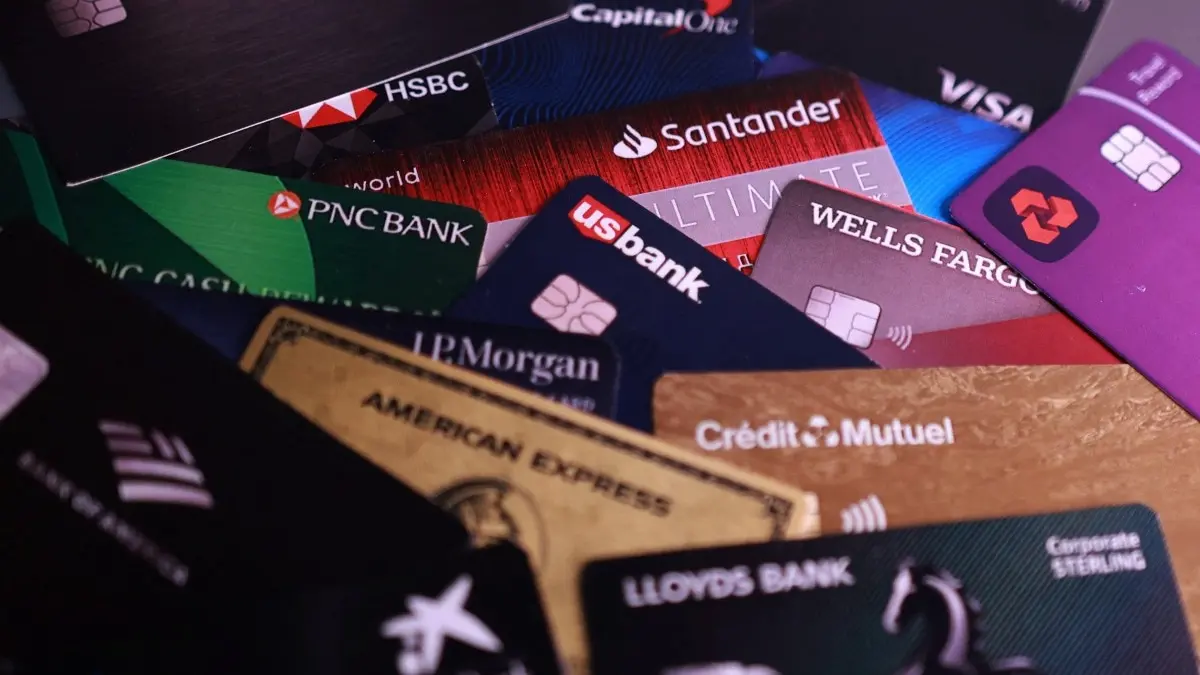
Communications professional Manoj Singh Negi uses six credit cards, each for a different purpose, Axis Bank for cashback on Flipkart and Swiggy, SBI for SBI-specific offers, HDFC and RBL for movie benefits. He checks offers before buying, recently saving ₹3,000 on an Apple Watch and ₹8,000 on a MacBook through instant discounts.

Abhishek Chaurasiya uses three cards, two HDFC Millennia and one SBI SimplyCLICK, switching based on best deals on fashion, electronics and travel. Prerna Kumari uses three cards including an HDFC RuPay card, saving ₹2,000-3,000 on a phone and earning 5% cashback on groceries. Arya, a graduate, chooses among three cards depending on the best offer available at the time.
All four users pay their full outstanding amount each month and treat credit limits as repayable money, not extra income. They use UPI for smaller transactions but prefer cards for larger purchases because of the interest-free period and rewards.
Indian Opinion Analysis
The multi-card strategy works only if the user never carries a balance: the average credit card interest rate in India is 36-42% per annum, which wipes out any cashback. The Reserve Bank of India has flagged rising unsecured personal loans as a risk, and credit card outstanding grew 30% year-on-year in early 2025. Users who miss even one monthly payment lose the benefit of discounts and rewards. The next number to watch is the RBI's quarterly report on household debt, due by end-July 2025, which will show whether this disciplined pattern holds across the broader population.
Source: businesstoday.in
This story was synthesised by AI from the source linked above. Methodology and corrections.