
















Now Reading: Typhoid tops PharmEasy fever data, Hyderabad hospitals warn of viral surge
-
01
Typhoid tops PharmEasy fever data, Hyderabad hospitals warn of viral surge

Typhoid tops PharmEasy fever data, Hyderabad hospitals warn of viral surge

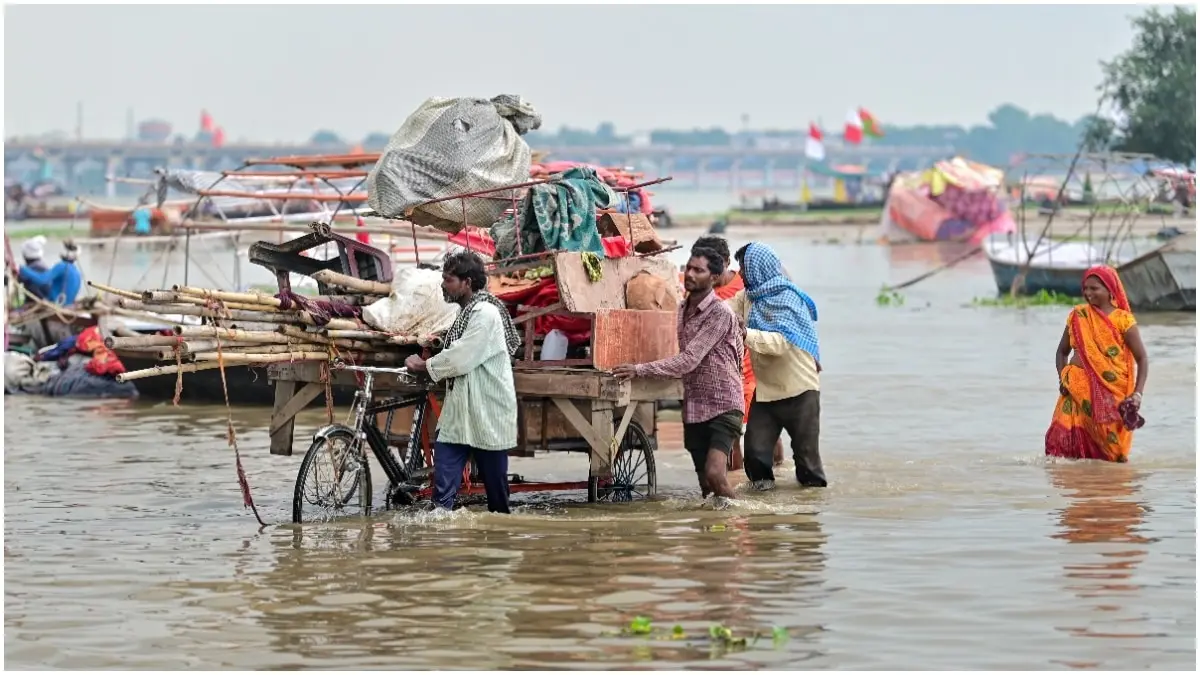
PharmEasy data through August 12, 2026 shows typhoid with a test-positivity rate of 25.5%, making it the most common confirmed monsoon fever among 209 Indian cities tracked. Dengue followed at 8.5%, chikungunya at 1.8%, and malaria at 1.4%. The national fever risk score rose from 47 to 61 since monsoon onset. Seven of ten high-risk cities are driven by typhoid, including Gwalior and Amritsar which recorded a lab signal of 100.
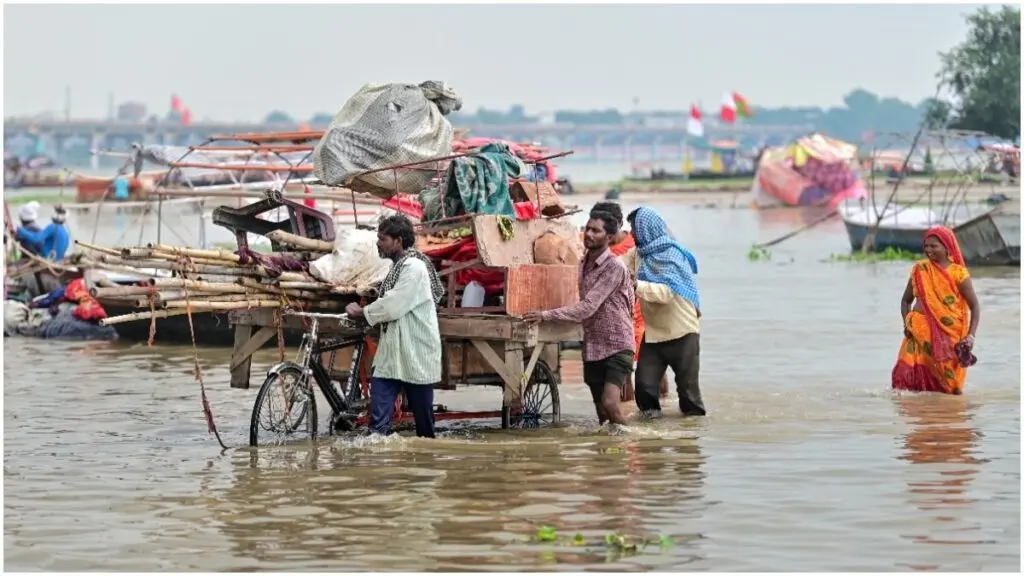
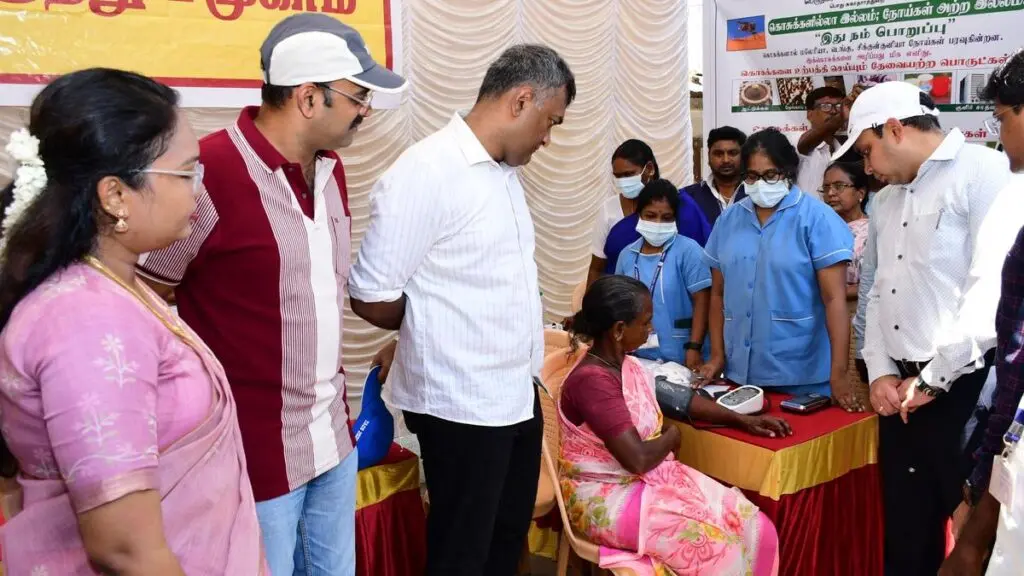
Kaminieni Hospitals in Hyderabad reported a rise in outpatient visits for viral fevers and influenza-like illnesses amid monsoon humidity. Their physicians warned against indiscriminate antibiotic use and urged laboratory testing for fevers beyond 72 hours. Hyderabad saw 266 dengue cases between January and mid-July, down from 570 in 2025, while national figures show over 33,000 dengue cases and 178 H1N1 deaths year-to-date. High-risk patients include children under five, seniors, and pregnant women. The hospital advises annual influenza vaccination.
Indian Opinion Analysis
Business Today frames typhoid as the dominant monsoon fever using PharmEasy data, emphasizing test positivity and city-level risk scores. Deccan Chronicle reports on Kamineni Hospitals' advisory about viral surges in Hyderabad, stressing early diagnosis and antibiotic avoidance. Business Today's data-driven risk indicator approach may overstate typhoid's prominence by presenting lab test positivity without clinical context, while Deccan Chronicle's hospital perspective foregrounds local reductions in vector-borne disease and the danger of self-medication. The balanced reading is that both outlets describe different facets of the same seasonal health challenge, one national laboratory data, one local clinical practice, without contradiction. The unified question is whether national fever surveillance systems will incorporate clinical trends from hospitals alongside lab positivity to guide public health response through the monsoon peak.
Coverage: 2 sources, 2 neutral
Sources (2): businesstoday.in (neutral report), deccanchronicle.com (neutral report)
This brief was synthesised by AI from the 2 sources linked above, so one read covers every framing they carry. Methodology and corrections.
Updated: this story now draws on 2 sources.