

















Now Reading: Understanding the health threats to athletes from doping
-
01
Understanding the health threats to athletes from doping


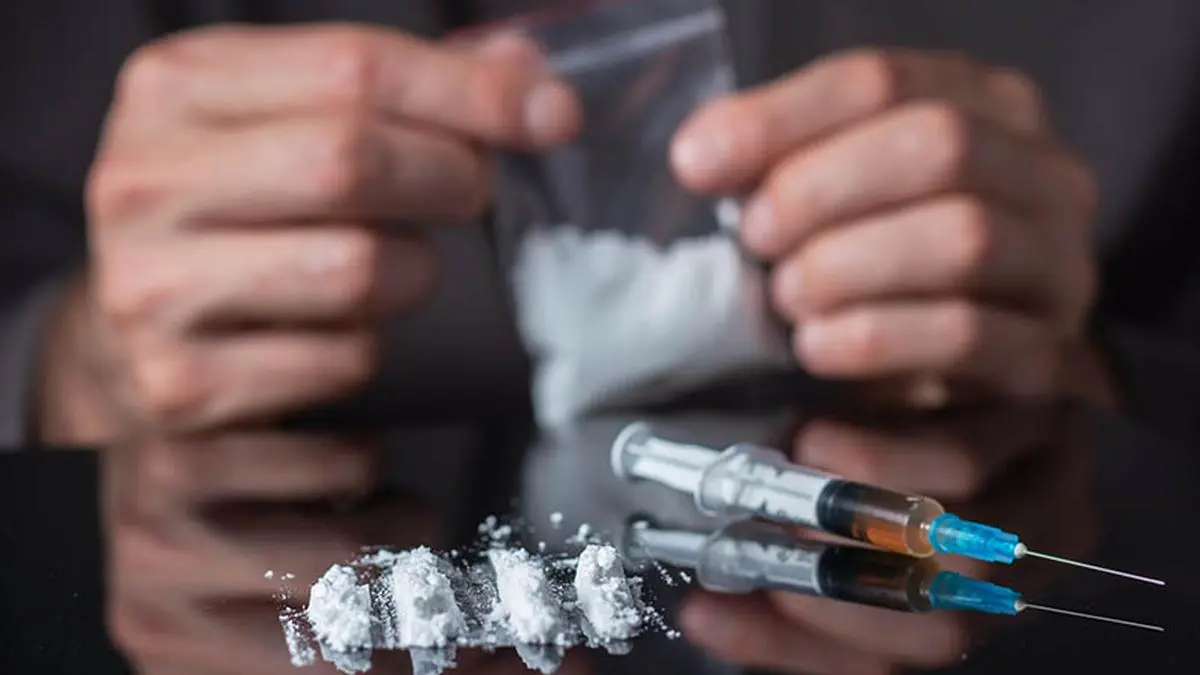
The National Dope Testing Laboratory received approval from the World Anti-Doping Agency on December 6, 2024 to manage the Athlete Biological Passport, an advanced tool that monitors biological markers over time to detect doping. The ABP collects blood and urine samples at intervals and analyses haematological, endocrine, and steroidal profiles. It provides indirect evidence of doping and acts as corroborative proof in anti-doping cases.

Doping, as defined by the National Anti-Doping Agency Rules 2021, includes the use of prohibited substances, refusal of testing, whereabouts failures, trafficking, and complicity in violations. The practice dates to ancient Greece and modern pharmacology introduced substances such as cocaine, strychnine, and anabolic steroids. WADA's Prohibited List categorises substances as banned at all times or only during competition.
Anabolic agents like testosterone mimic testosterone to enhance muscle growth and recovery but carry risks including heart attacks, liver damage, hormonal imbalances, and psychiatric disorders. Peptide hormones like erythropoietin boost endurance but can cause blood clots, strokes, and cancer. Beta-2 agonists improve respiratory function but may lead to heart rhythm disorders. Hormone modulators and diuretics carry risks of blood clots, dehydration, and kidney damage.
Indian Opinion Analysis
This article offers a clinical breakdown of doping substances and their health risks, but does not address the regulatory and procedural gaps that affect Indian athletes. India has seen high-profile doping cases in athletics, weightlifting, and wrestling, yet many athletes claim they were unaware of banned substances or consumed tainted supplements. The ABP system is not foolproof: it requires consistent longitudinal data and can be challenged if sample collection protocols are flawed. The practical deterrent effect in India remains weak, with limited out-of-competition testing and delays in case adjudication by the National Anti-Doping Agency. The key number to watch is the number of adverse analytical findings reported by NDTL in the first year of managing the ABP, expected in late 2025.
Source: thehindu.com
This story was synthesised by AI from the source linked above. Methodology and corrections.