







Now Reading: UPSC Mains answer practice: Water governance and legislative privileges
-
01
UPSC Mains answer practice: Water governance and legislative privileges

UPSC Mains answer practice: Water governance and legislative privileges

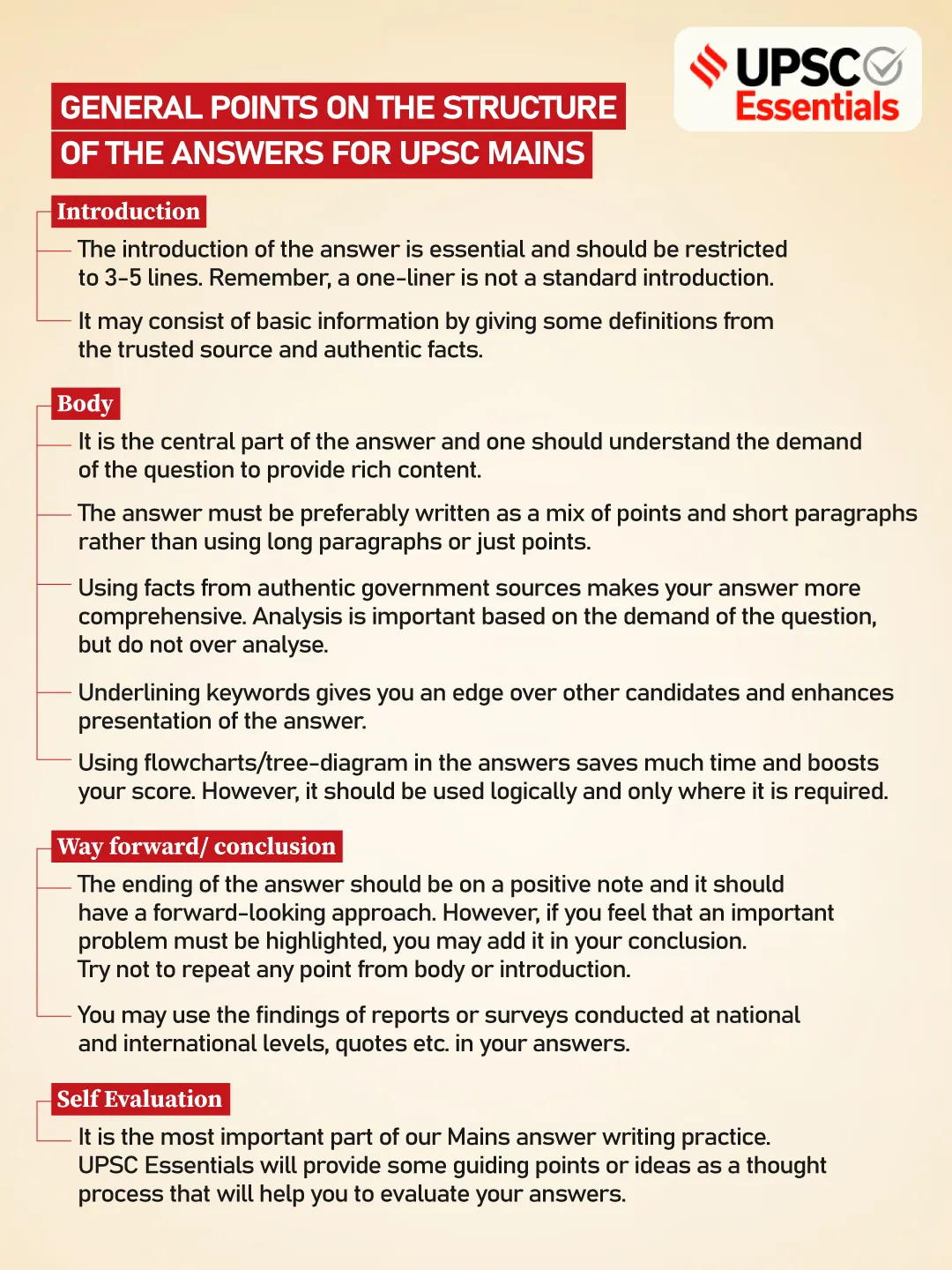
Indian Express has published Week 175 of its UPSC Mains answer-writing practice under the UPSC Essentials initiative. The two questions for Wednesday, 7 October 2026, are from the GS-2 paper: one on decentralisation and community participation in water governance, and another on legislative privileges and public scrutiny.
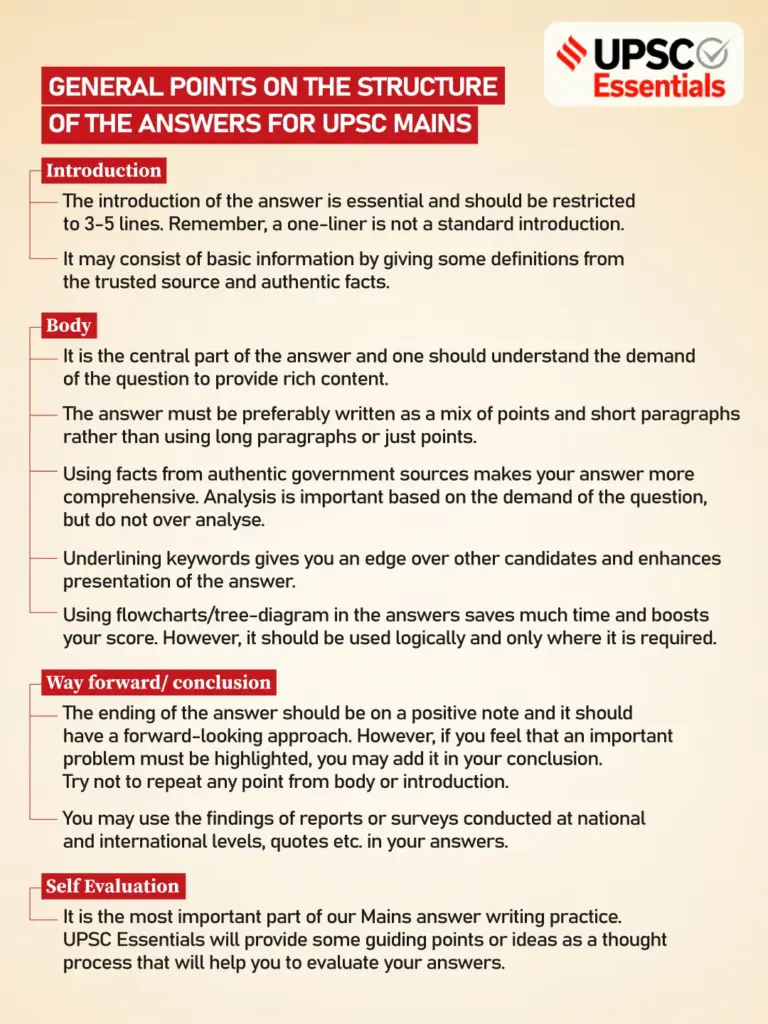
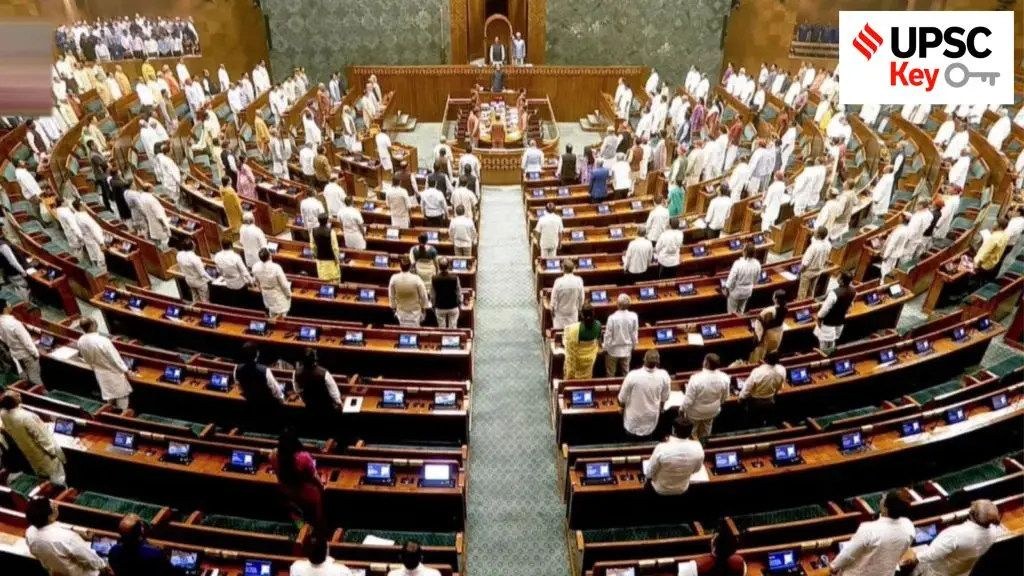
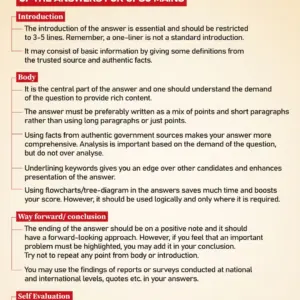
The first question asks how decentralisation and community participation can improve water governance in India. The suggested answer framework cites Gujarat’s WASMO model, Pani Samitis, and the Jal Jeevan Mission to argue that infrastructure becomes more sustainable when communities plan, manage and monitor water systems. The second question requires a discussion of whether legislative privileges exist to ensure effective functioning or to shield legislatures from public scrutiny.
The exercise is designed as value addition for candidates preparing for the UPSC Civil Services Mains examination.
Indian Opinion Analysis
The framing of both questions points to recurring themes in the GS-2 paper: institutional accountability and participatory governance. The water question steers candidates toward a specific model, Gujarat’s WASMO, implying that the examiner expects familiarity with state-level success stories rather than generic theory. The privileges question asks for a normative judgement, forcing candidates to weigh constitutional intent against contemporary criticism. Neither question leaves much room for a purely descriptive answer, both demand an argument. The absence of a model answer means candidates must rely on their own reading of linked sources, including the Jal Jeevan Mission’s challenges and the Gujarat water-governance model cited in the body.
Source: indianexpress.com
This brief was synthesised by AI from the source linked above. Methodology and corrections.