














Now Reading: US dominance era ended, three conflict theatres ahead: analyst
-
01
US dominance era ended, three conflict theatres ahead: analyst


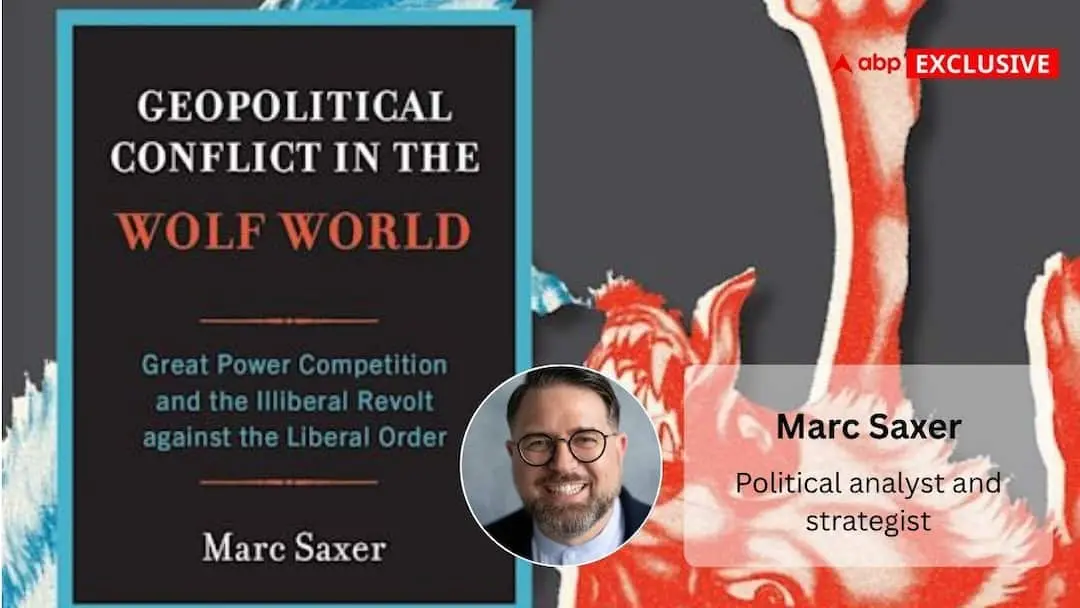
Political analyst Marc Saxer argues in his new book 'Geopolitical Conflict in the Wolf World' that the era of US dominance has ended, leaving the international system in extreme volatility. Saxer identifies Europe, the Middle East, and East Asia as the three primary arenas for great-power competition, warning that conflict in these theatres will be difficult to contain. He says US-China rivalry is unlikely to end soon, but believes nuclear deterrence remains intact and no country will use nuclear weapons except possibly in East Asia.
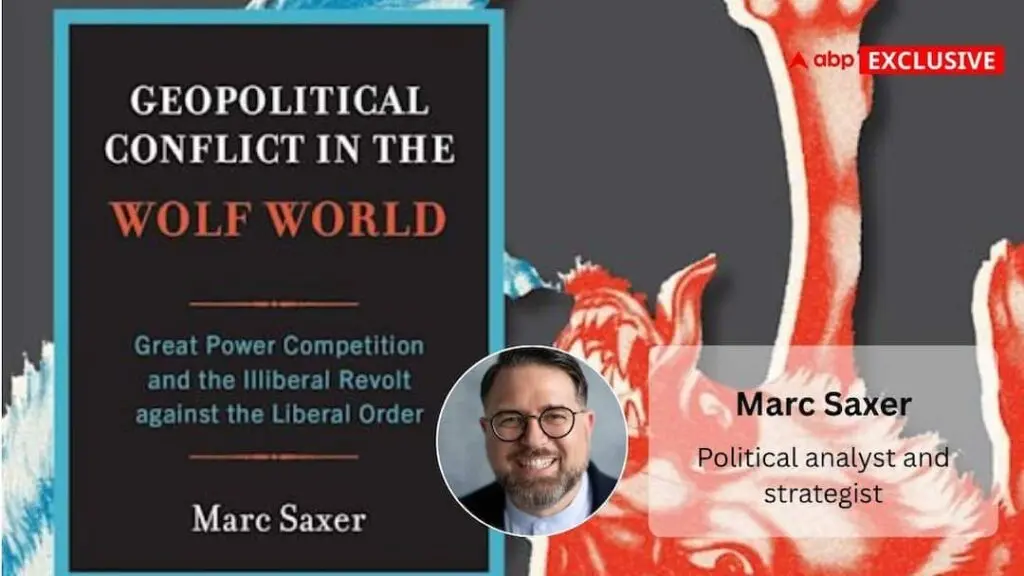
On the future global order, Saxer describes three possible scenarios: a sphere-of-influence arrangement among the US, China, Russia, and possibly the EU and India, a Westphalian system of sovereign states with non-interference, or a reformed post-liberal order with strengthened international institutions like the UN. Regarding India's strategy of multi-alignment, Saxer says New Delhi will face limitations on its room for manoeuvre as great-power competition hardens. India has chosen not to get involved in the great-power rivalry directly, but will find that strategy increasingly difficult to sustain.
Indian Opinion Analysis
Saxer's framework echoes a growing strategic debate in New Delhi: can India sustain multi-alignment as great-power competition hardens? The book's 'Wolf World' label, borrowed from Hobbes, mirrors the pessimism of Indian strategists who see the Indo-Pacific as a potential arena of coercion rather than cooperation. India already walks a tightrope, deepening the Quad and the US-Japan-Australia-India partnership while joining Russia-led military drills and buying S-400s from Moscow. The practical test will come if Washington demands clearer alignment on Taiwan or technology decoupling: each choice will shrink the room Saxer says India will soon lose. New Delhi's next bilateral summit or trade deal will signal how real the trade-offs have become.
Source: news.abplive.com
This story was synthesised by AI from the source linked above. Methodology and corrections.