










Now Reading: Varroc developing rare earth-free EV magnet to cut China dependence
-
01
Varroc developing rare earth-free EV magnet to cut China dependence

Varroc developing rare earth-free EV magnet to cut China dependence

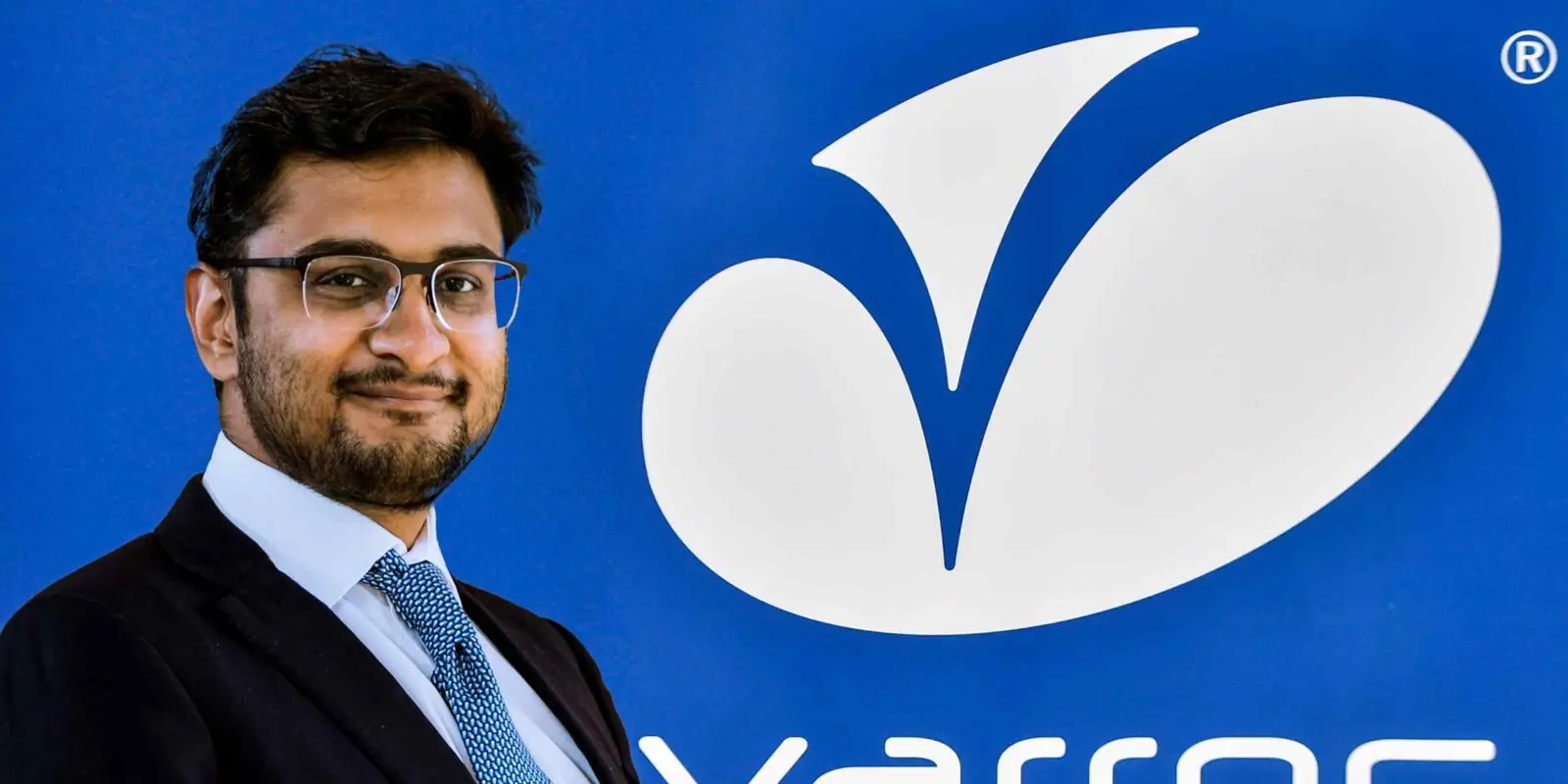
Varroc Engineering, among India's largest auto component makers, is developing traction motors for electric vehicles that do not use rare earth minerals. The move responds directly to China's 2023 export curbs on rare earths, which had exposed the vulnerability of global supply chains.
The Bengaluru-based company said its research aims to eliminate reliance on minerals such as neodymium and dysprosium, which China dominates. Varroc's work represents one of several industry efforts to secure alternative magnet technologies as EV adoption accelerates.
A production-ready design is expected in the coming years. The project underscores India's push to build self-reliance in critical materials for its growing EV manufacturing sector.
Indian Opinion Analysis
India's auto sector imports most of its rare earth magnets from China, a dependency the government has flagged as a strategic risk. The National Critical Minerals Mission, launched in 2023, explicitly aims to reduce this reliance. Varroc's development aligns with that policy push, but the technology is unproven at scale for mass-market EVs. If successful, it could save India's auto industry millions of dollars in import costs and insulate it from Beijing's export controls. The test will come when Varroc demonstrates a working prototype at the production-ready stage, likely within the next two years.
Source: asia.nikkei.com
This brief was synthesised by AI from the source linked above. Methodology and corrections.