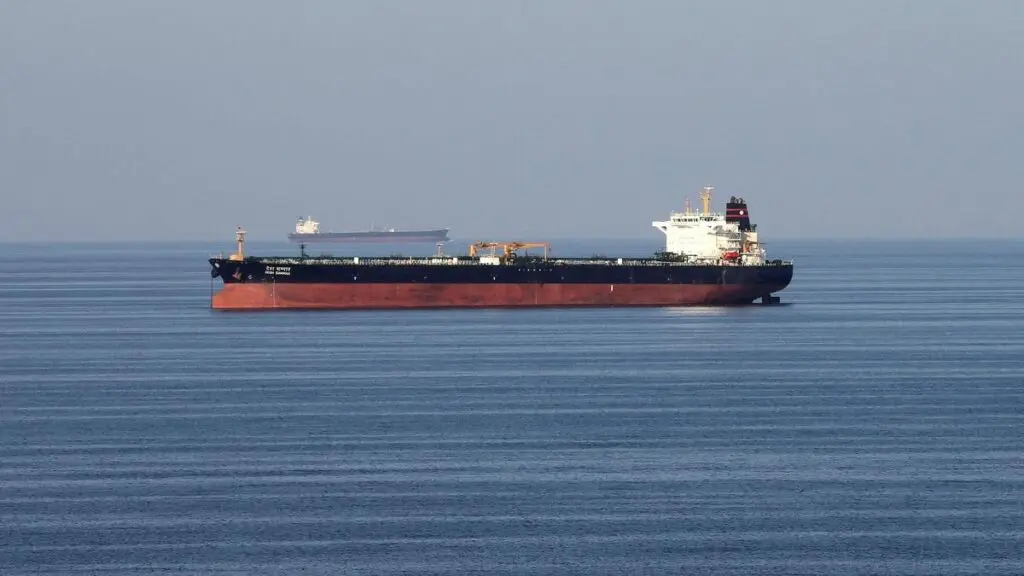




















Now Reading: Vasco da Gama voyage relied on Indian Ocean sailors
-
01
Vasco da Gama voyage relied on Indian Ocean sailors


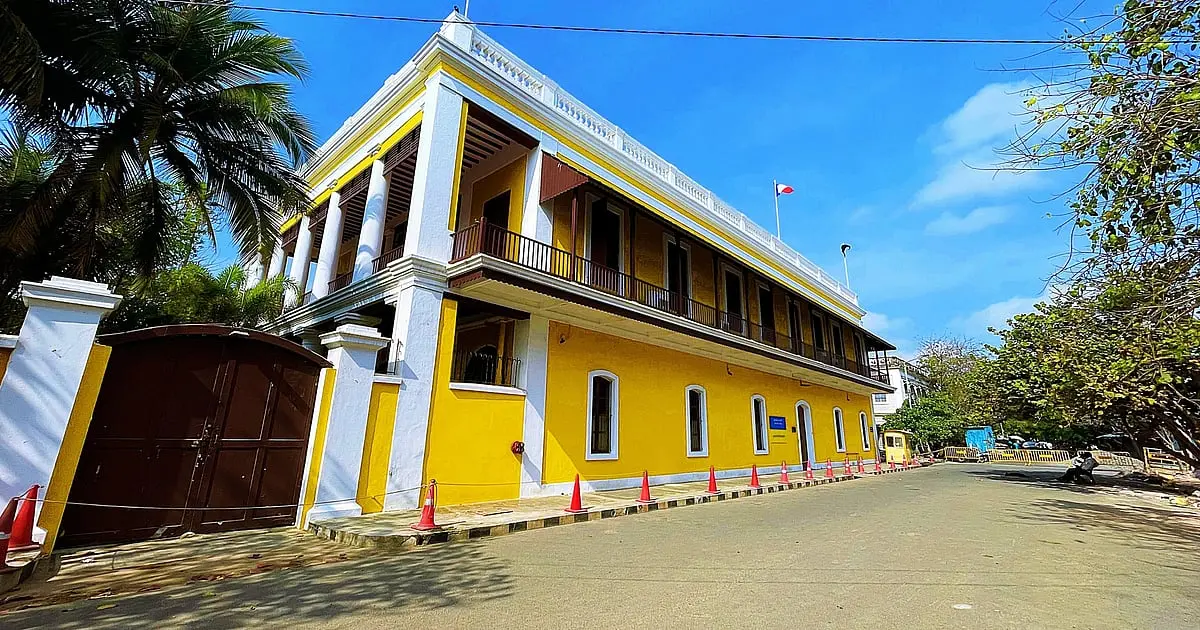
A new historical account argues that Vasco da Gama's 1498 voyage to India depended on navigational knowledge from Indian Ocean sailors. The claim challenges the traditional European-centric narrative of the Age of Discovery. The article, a first-person essay set in Puducherry, notes that Portuguese explorers used maps and maritime expertise developed by Arab, African, and Indian seafarers long before da Gama's arrival.
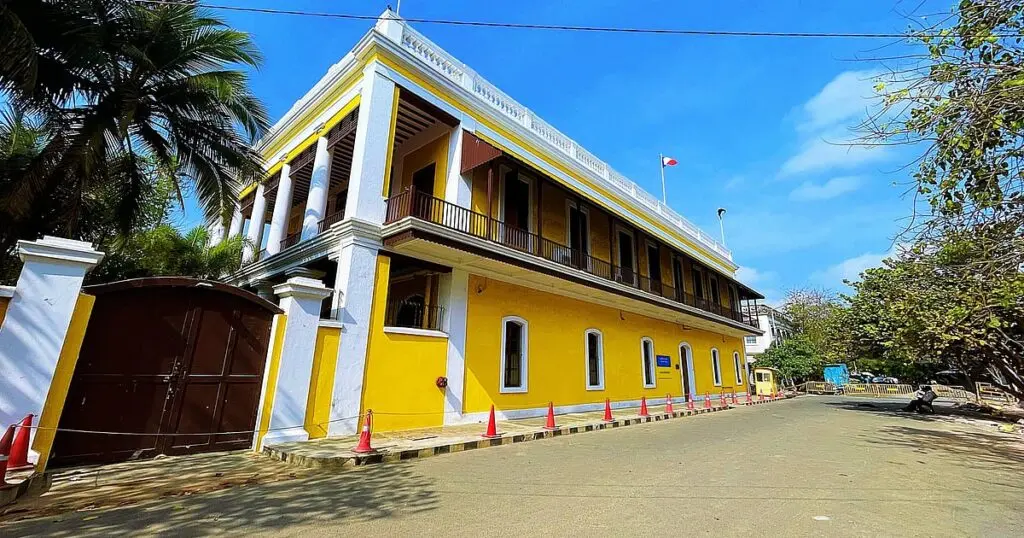
The essay points to evidence that da Gama hired a Gujarati pilot, often named as Ahmad ibn Majid, to guide his fleet across the Indian Ocean. It argues that the voyage is better understood as an act of knowledge transfer rather than pure European innovation. The account draws on recent scholarship that reconstructs the sophisticated trading networks and navigational science of the pre-colonial Indian Ocean world.
Indian Opinion Analysis
This revisionist framing is part of a broader historiographical shift. Indian school textbooks and academic works now increasingly highlight the agency of Asian and African actors in early globalisation. The key figure cited, Ahmad ibn Majid, remains contested among historians: some doubt he ever met da Gama. The real question is how far this reinterpretation will influence museum exhibits, heritage trails, and the NCERT syllabus. Watch for state-level textbook revisions in Goa and Kerala over the next year.
Source: deccanherald.com
This story was synthesised by AI from the source linked above. Methodology and corrections.