



















Now Reading: Waist size beats BMI as Indian health risk marker, doctors warn
-
01
Waist size beats BMI as Indian health risk marker, doctors warn


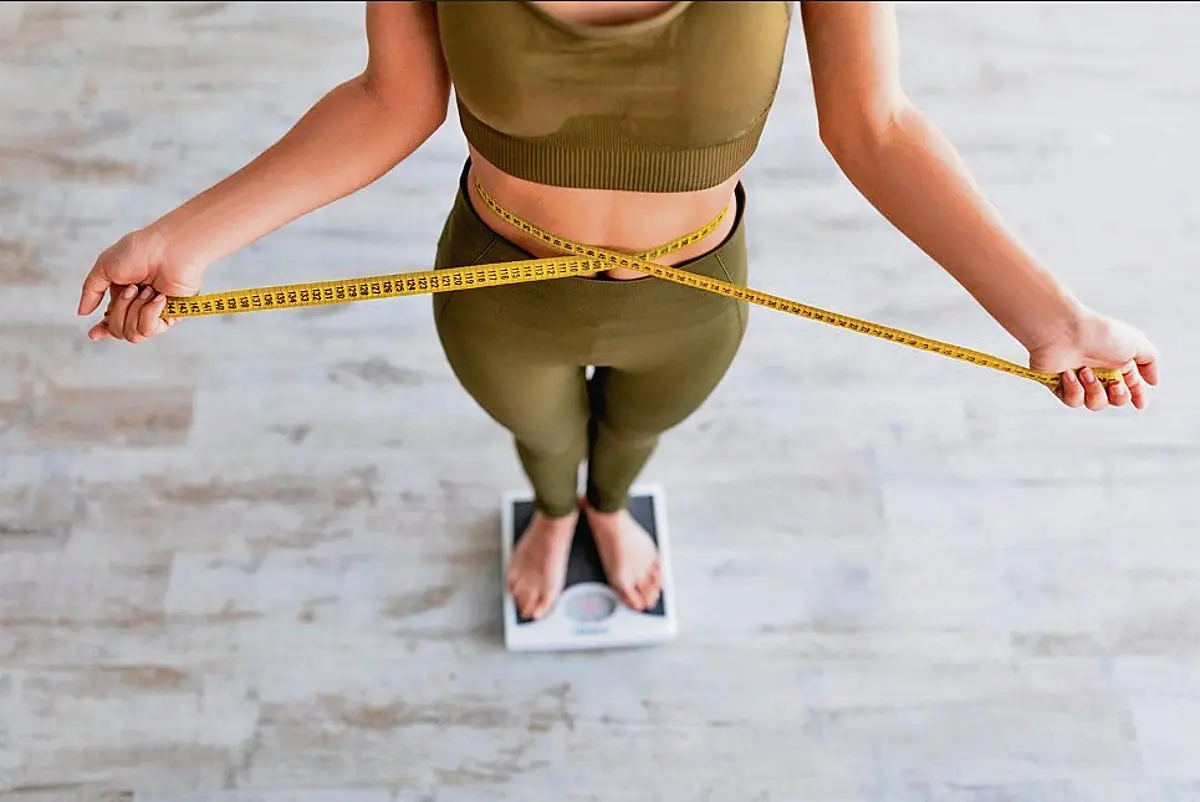
Indian doctors are urging a shift from the weighing scale to the measuring tape, warning that abdominal obesity often goes undetected by BMI alone. A national analysis of NFHS-5 data found nearly…
Indian doctors are urging a shift from the weighing scale to the measuring tape, warning that abdominal obesity often goes undetected by BMI alone. A national analysis of NFHS-5 data found nearly 40 per cent of Indian women and 12 per cent of men have abdominal obesity. A PGIMER Chandigarh study showed that an increase of just 1.6 cm in waist circumference tripled diabetes risk.
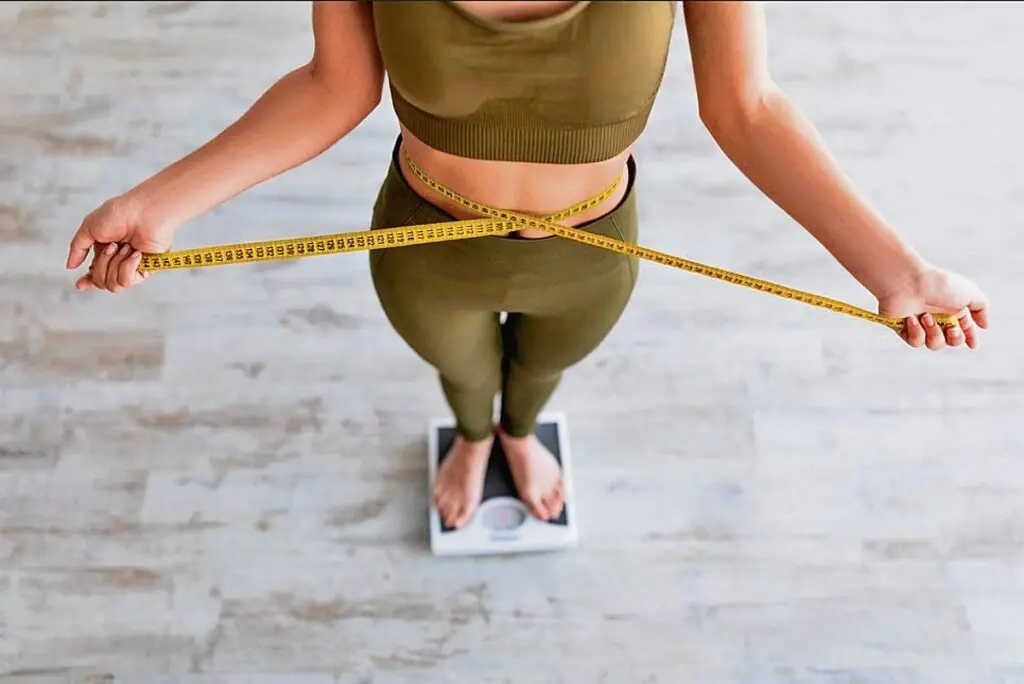
The warning is based on the case of Manish Arora, 60, who weighed 81.6 kg with a BMI of 25.4 but had a 106 cm waist, type 2 diabetes and a past heart attack. After treatment targeting visceral fat, his weight fell to 70 kg, waist shrank to 97 cm, and blood sugar markers normalised. His case was presented at the Endocrine Society's 2024 meeting.
Doctors explain that visceral fat around the abdomen is metabolically active and raises the risk of diabetes, heart disease, fatty liver and metabolic syndrome. The Indian Menopause Society estimates 40 per cent of Indian women are abdominally obese. Clinical guidelines use 90 cm for men and 80 cm for women as thresholds, though cut-offs vary.
Indian Opinion Analysis
The TOFI (thin outside, fat inside) phenomenon is especially relevant for Indians, who at the same BMI carry more visceral fat than Europeans. This makes the standard BMI cut-off of 25 a poor screen for metabolic risk in the Indian population. The real numbers to watch are not just waist circumference but also the waist-to-height ratio: a figure above 0.5 is now considered a practical warning sign in Indian clinics. The next step for public health policy would be to incorporate waist measurement into routine screening at primary health centres, which currently rely almost entirely on weight and BMI.
Length: 97 words.
Source: newindianexpress.com
This story was synthesised by AI from the source linked above.