




















Now Reading: Rural India Must Move From Food Security to Nutrition Security
-
01
Rural India Must Move From Food Security to Nutrition Security


The Story in Brief
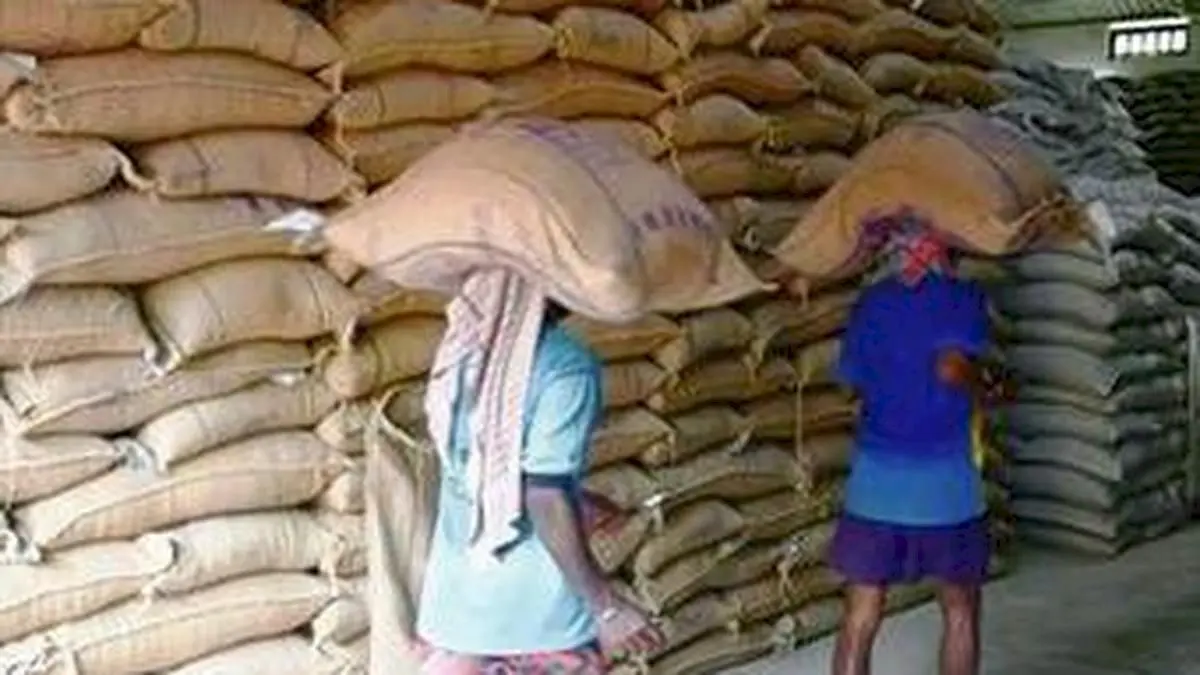
India’s food security gains have ensured staple availability, but rural households still face poor dietary diversity, unaffordable nutrient-rich food and limited nutrition awareness, The Hindu BusinessLine reports. Commercial farming and monocropping have reduced the presence of indigenous paddy, pulses and vegetables in household diets. During crop failures, unemployment or price rises, families may cut protein and micronutrient-rich foods first. NFHS-5 data for 2019-2021 found anaemia among about 30 per cent of rural Indian men aged 15-54.
The article advocates nutrition-sensitive agriculture through crop diversity, indigenous seeds, mixed cropping and regenerative farming. Millets, legumes, fruits and vegetables could improve diets while reducing water use, soil damage and production costs. It calls for coordinated action by government programmes, agricultural institutions, insurers, NGOs, private organisations and farmer groups.
The Indian Opinion
The lazy narrative is that more farm output automatically means better nutrition. The article correctly challenges that, but crop diversification cannot be treated as a simple switch from commercial farming. Farmers also need reliable markets, lower risk and incomes that make diverse food affordable. The useful test is whether rural diets improve alongside farm changes, with anaemia and dietary diversity data showing results beyond higher yields.
Source: thehindubusinessline.com
This story was synthesised by AI from the source linked above. Methodology and corrections.