












Now Reading: Wealth, not caste, key to adult survival: study
-
01
Wealth, not caste, key to adult survival: study


The Story in Brief
A peer-reviewed study published in Demographic Research finds that economic status is a stronger predictor of adult survival in India than caste or religion. Analysing three rounds of NFHS data covering 1998-99, 2015-16 and 2019-21, researchers Moradhvaj Dhakad and Nandita Saikia found that men in the richest 20% of households face a 62% lower risk of death between ages 15 and 59 than those in the poorest 20%. For women, the gap was 42%.
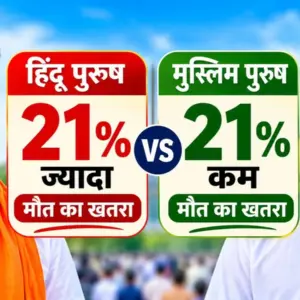
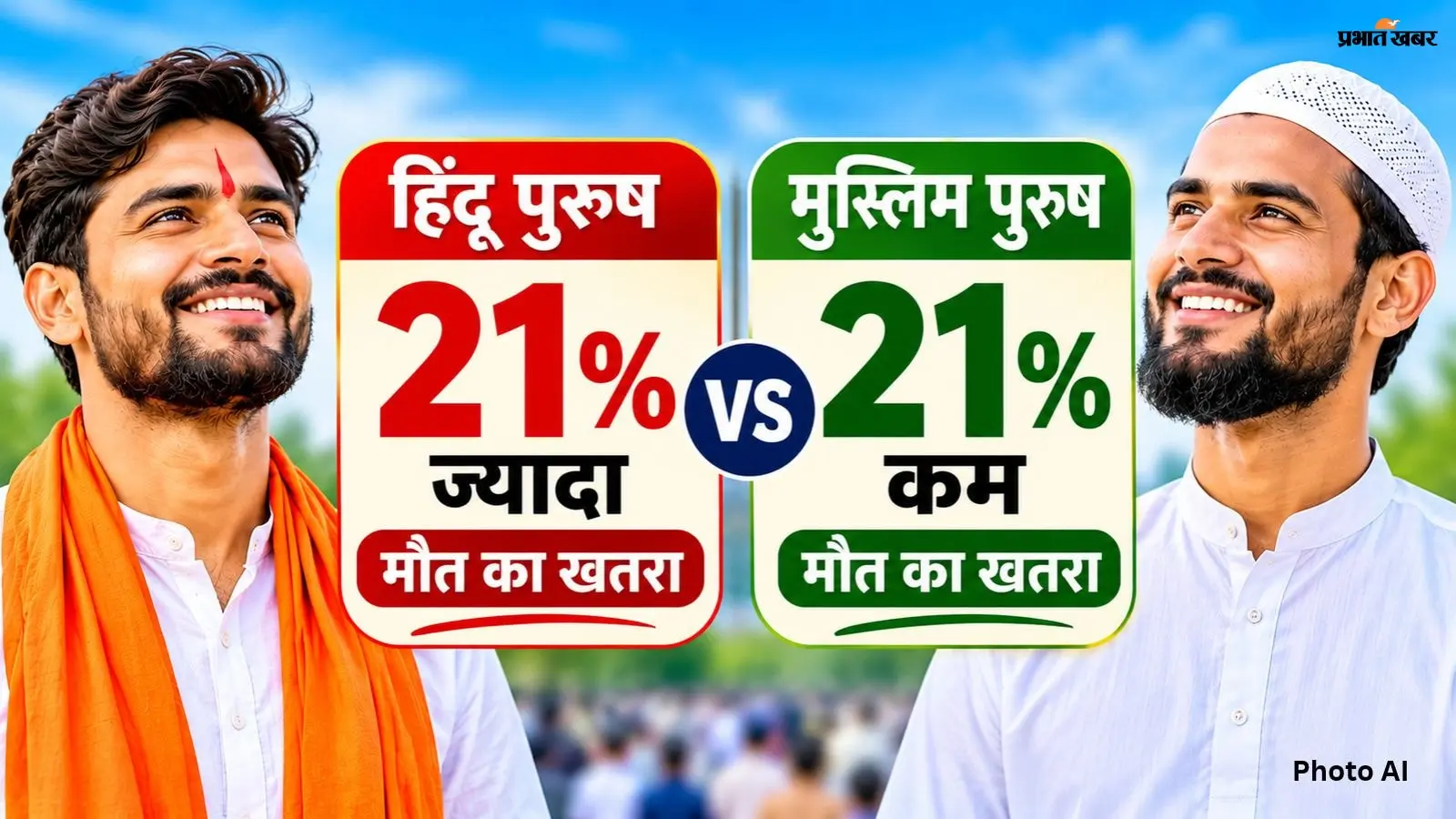
After controlling for caste, religion, residence and state, SC women still had a 19% higher mortality risk than upper-caste Hindu women. Muslim men had 21% lower adult mortality than upper-caste Hindu men across all survey rounds, which researchers attribute to lower alcohol consumption and greater urbanisation. No significant difference was found for Muslim women.
Female adult mortality dropped 40% between the first and third survey rounds, while male mortality fell 17%. Live Hindustan reports the male rate rose between 2015-16 and 2019-21, which researchers link to excess Covid-19 deaths and occupational hazards.
Indian Opinion Analysis
Both outlets report the same demographic study, but their headlines differ in emphasis. Prabhat Khabar headlines ‘मुस्लिम युवकों के मुकाबले हिंदू युवकों में मौत का खतरा 21% ज्यादा’, foregrounding a religious comparison, while Live Hindustan leads with the wealth-based 62% male mortality gap. The shared body text is largely neutral, citing the study's finding that economic status is more decisive than caste or religion, though it notes SC women still face a 19% higher risk. Both sources attribute the Muslim male survival advantage to lower alcohol consumption and greater urbanisation, and report a rise in male adult mortality between 2015-16 and 2019-21 linked to Covid-19. The coverage is uniform straight reporting, with the outlets differing only in headline framing. No next step is named, leaving the study's implications for health policy open.
Coverage: 2 sources, 2 neutral
Sources (2): livehindustan.com (neutral report), prabhatkhabar.com (neutral report)
This brief was synthesised by AI from the 2 sources linked above, so one read covers every framing they carry. Methodology and corrections.