





















Now Reading: West Bengal tops teen pregnancy, underage marriage rates
-
01
West Bengal tops teen pregnancy, underage marriage rates


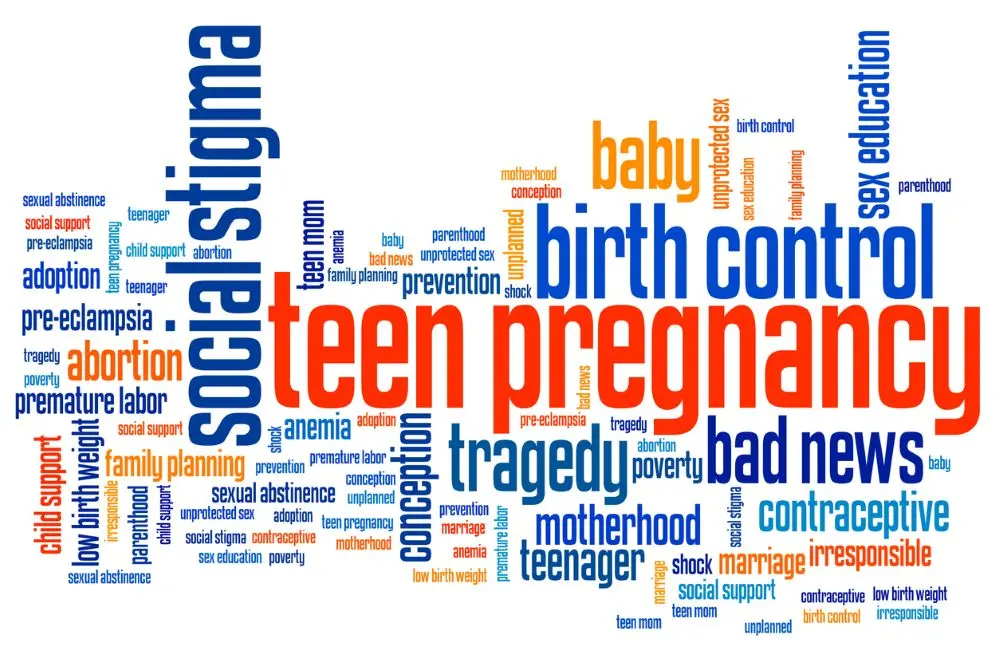
West Bengal continues to struggle with high rates of child marriage and teenage pregnancy despite years of government welfare schemes. Health Minister Sharadwat Mukherjee last week announced a two-pronged awareness campaign against underage marriage and in favour of a two-child policy, and asked district magistrates to intervene when they learn of an impending child marriage.
Sample Registration System data shows 6.3% of women marrying in West Bengal in 2024 were below 18, the highest among bigger states and triple the national average of 2.1%. The latest National Family Health Survey (NFHS-6, 2023-24) found 16.6% of girls aged 15-19 in the state were already mothers or pregnant, up from 16.4% in the previous survey, while the national figure dropped to 6.7%. In rural Bengal, the figure is 20.3%. Teenage childbearing reaches 27.3% in Cooch Behar and about 25% in Birbhum and Paschim Medinipur, compared to 4.9% in Kolkata.
Experts cite poverty and lack of opportunities as major drivers. At Kultali block hospital in South 24 Parganas, 31 girls aged 15-19 gave birth in June last year, and five were having their second child. Officials in Canning-II found around 30% of deliveries were to minors. A 2025 study at Tamralipto Government Medical College found 21% of 205 pregnant women attending its antenatal clinic were teenagers. Activists say better employment prospects and more engaging schools are needed.
Indian Opinion Analysis
The state's persistently high numbers come despite the Prohibition of Child Marriage Act, 2006, which sets the legal marriage age at 18 for women. The rural-urban gap suggests school retention and livelihood programmes have not reached the most vulnerable districts. West Bengal's rate is now several times the national average, a gap that widened between the last two NFHS rounds. The effectiveness of the new awareness campaign will be measured when the next NFHS data is released, likely in 2027.
Source: thefederal.com
This brief was synthesised by AI from the source linked above. Methodology and corrections.