



















Now Reading: WhatsApp adds passkeys, stronger passwords and caller context
-
01
WhatsApp adds passkeys, stronger passwords and caller context


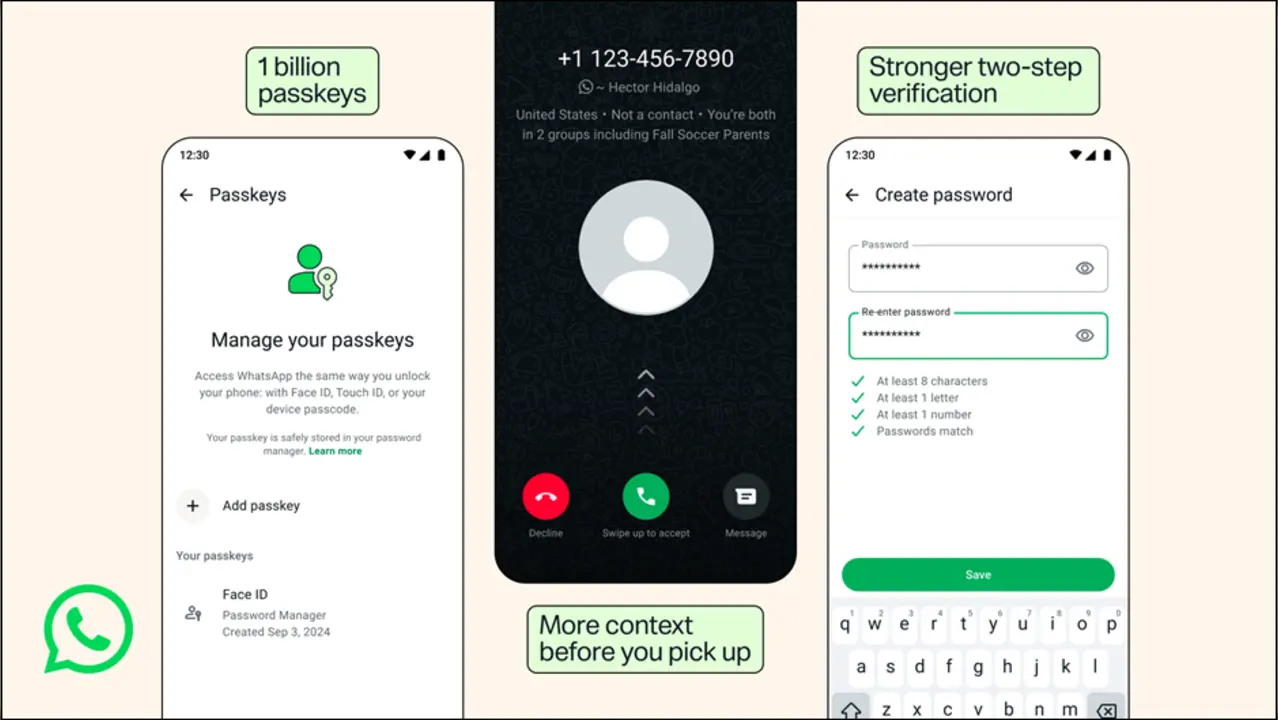
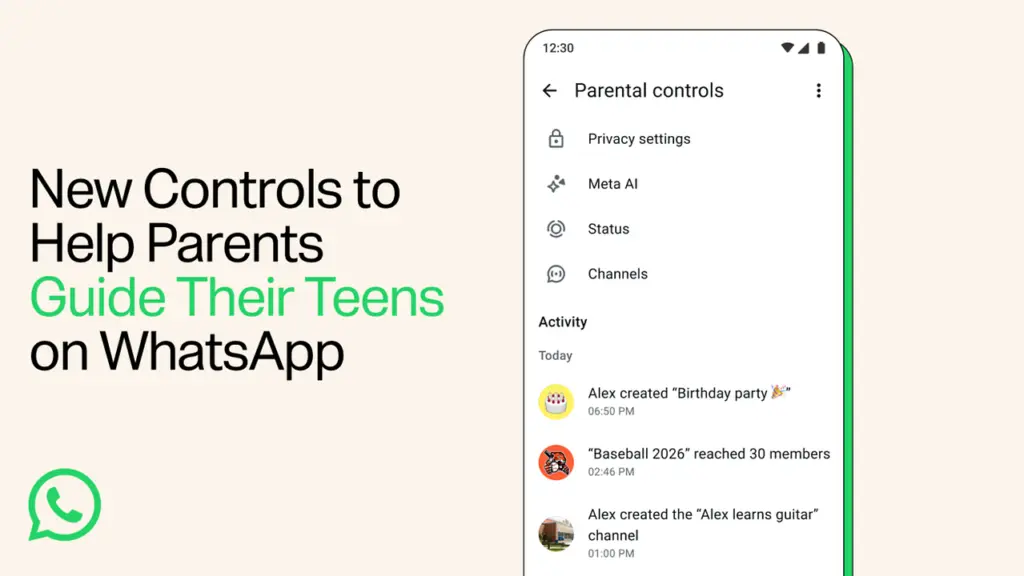
WhatsApp has announced new security features rolling out gradually on Android and iOS. Users can now create multiple passkeys for the same account, allowing sign-in via fingerprint, Face ID or screen lock. More than one billion users already use passkeys, WhatsApp said.
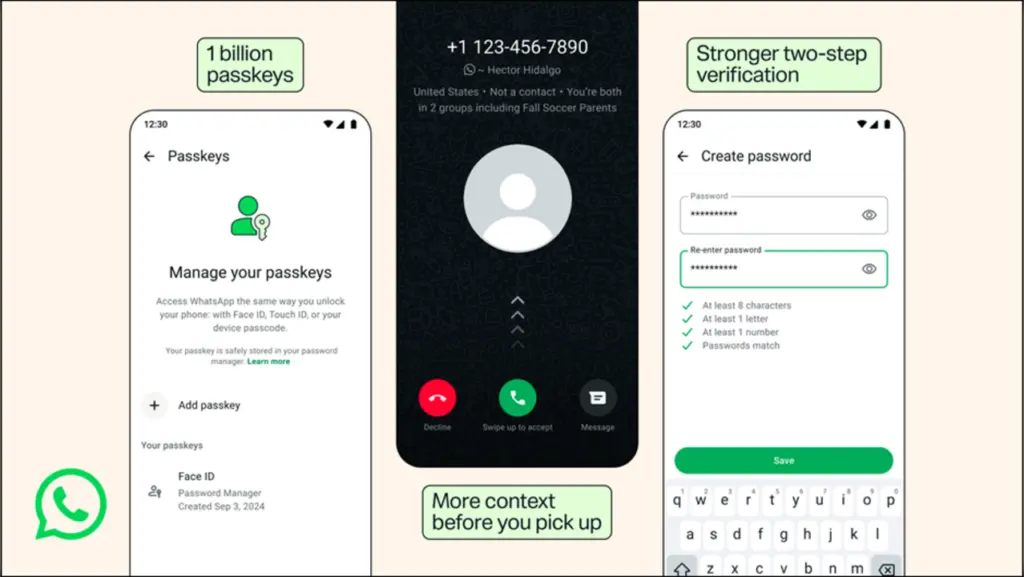
The two-step verification system has been strengthened. Instead of a six-digit PIN, users can now set a full password with letters, numbers and special characters. WhatsApp advises avoiding weak passwords such as "123456" and says the change will make it harder for attackers to guess security information.
On Android, WhatsApp will display additional details about unknown callers, including whether the number originates from another country or shares groups with the recipient. The features arrive as account takeover attempts and phishing attacks become more sophisticated, Gulf News reports. The update does not affect end-to-end encryption on messages and calls.
Indian Opinion Analysis
Both outlets report the same WhatsApp security update, but their framing diverges noticeably. Times Now leads with the user-facing features, multiple passkeys, stronger two-step verification, and unknown caller context, presenting the announcement as a straightforward product enhancement. Gulf News uses the same facts but opens with the threat landscape: sophisticated phishing, social engineering attacks targeting users, and a specific March hacking campaign against Signal and WhatsApp. By foregrounding the risk before the remedy, Gulf News frames the update as a necessary defensive response, not a voluntary upgrade. The contrast matters: one story tells you what changed, the other tells you why you should care. WhatsApp reported over three billion users globally. The new password and passkey options roll out gradually on iOS and Android, no deadline has been given for full availability.
Coverage: 2 sources, 2 neutral
Sources (2): timesnownews.com (neutral report), gulfnews.com (neutral report)
This brief was synthesised by AI from the 2 sources linked above, so one read covers every framing they carry. Methodology and corrections.
Updated: this story now draws on 2 sources.