





















Now Reading: WhatsApp tests on-device scam detection as TRAI eyes OTT spam rules
-
01
WhatsApp tests on-device scam detection as TRAI eyes OTT spam rules



WhatsApp on August 12 released a technical overview of Scam Alert, an optional on-device AI tool that flags likely scam messages. All detection stays on the user’s phone, preserving end-to-end encryption. The…
The Story in Brief
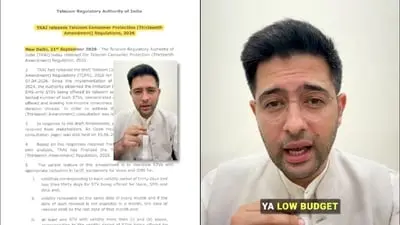
WhatsApp on August 12 released a technical overview of Scam Alert, an optional on-device AI tool that flags likely scam messages. All detection stays on the user’s phone, preserving end-to-end encryption. The feature arrives as India’s telecom regulator TRAI finalises the TCCCPR Third Amendment, which would require apps like WhatsApp to share spam reports with operators’ Do Not Disturb registry.

The Internet and Mobile Association of India has opposed this as regulatory overreach, arguing it amounts to unconstitutional expropriation of proprietary data. WhatsApp’s model uses user-reported scam patterns and runs entirely on-device, with no message content reaching Meta unless the user opts to share.

The Indian Opinion
The usual narrative pits privacy absolutists against security hawks, but the real test is whether Scam Alert works in Indian languages and on low-end phones. Before mandating network-level data sharing, TRAI should evaluate this on-device approach. If the tool catches scams without handing user data to telecom operators, it could defuse the standoff. Otherwise, expect more litigation from both sides.
Sources (2): medianama.com, livemint.com
This story was synthesised by AI from the 2 sources linked above.
Updated: this story now draws on 2 sources.