
















Now Reading: WHO warns 11 million could contract measles in 2026 as vaccination rates fall
-
01
WHO warns 11 million could contract measles in 2026 as vaccination rates fall

WHO warns 11 million could contract measles in 2026 as vaccination rates fall

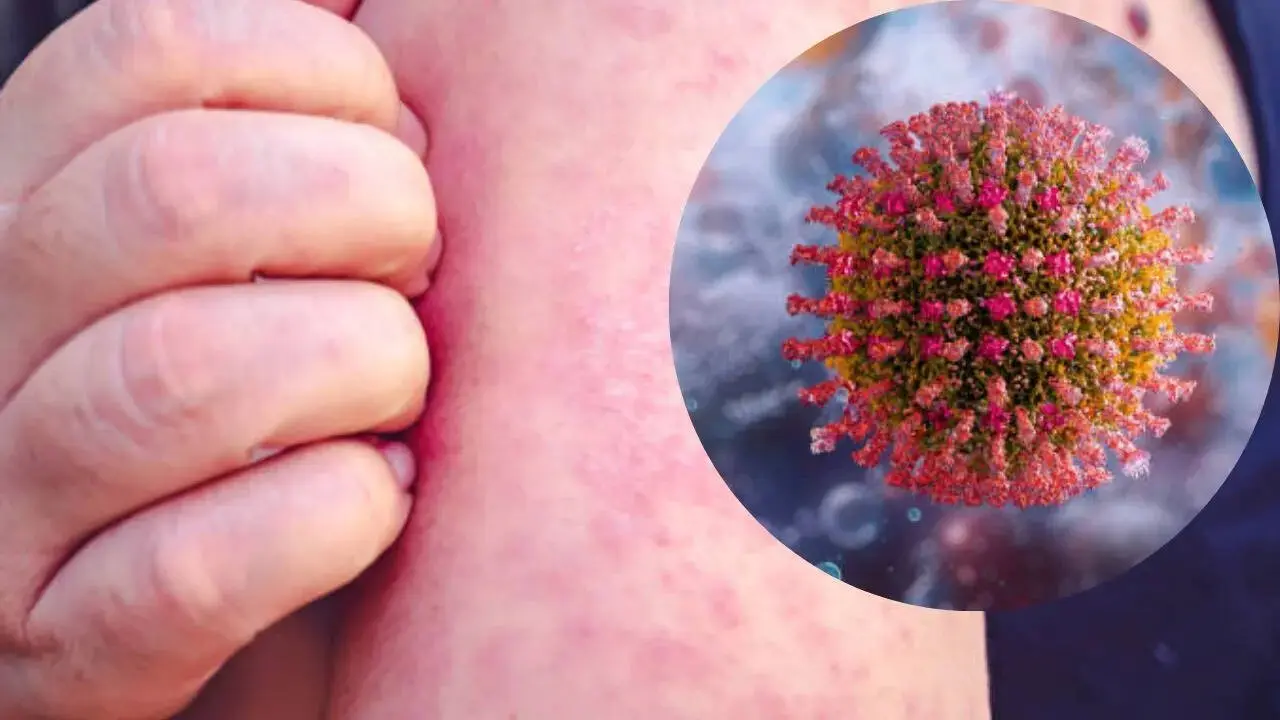
The World Health Organization estimates that nearly 11 million people could contract measles in 2026, with the largest burden expected in Africa and Asia. Outbreaks are also being reported across Europe and the Americas as falling vaccination coverage leaves communities vulnerable. WHO says two doses of a measles-containing vaccine provide up to 97% protection, but routine childhood immunisation programmes were disrupted during the COVID-19 pandemic, leaving millions of children without timely vaccines.
Although the Big Catch-Up initiative has delivered over 100 million vaccine doses reaching an estimated 18.3 million children, an estimated 14.3 million infants still received no routine vaccine in 2024. Children who have not received measles vaccination are particularly vulnerable, especially in communities affected by malnutrition, poverty, conflict and limited healthcare access. Serious complications can include pneumonia, severe diarrhoea, encephalitis, blindness and permanent hearing loss. There is no specific antiviral treatment for measles, medical care focuses on managing symptoms and treating complications.
Indian Opinion Analysis
The WHO estimate of 11 million cases in 2026 would make this the worst measles year in decades, surpassing even pre-pandemic peaks. The immunity gap is concentrated in the 14.3 million zero-dose infants from 2024, who are now toddlers entering the age of highest risk. India, which accounts for a large share of global unvaccinated children, will face particular strain on its public health system if outbreaks spread. The next signal to watch is whether the Union health ministry releases a nationwide catch-up campaign target and timeline before the monsoon season, when measles transmission typically accelerates.
Source: timesnownews.com
This story was synthesised by AI from the source linked above. Methodology and corrections.