






















Now Reading: PM2.5 linked to 8.82 million cancer cases globally: study
-
01
PM2.5 linked to 8.82 million cancer cases globally: study



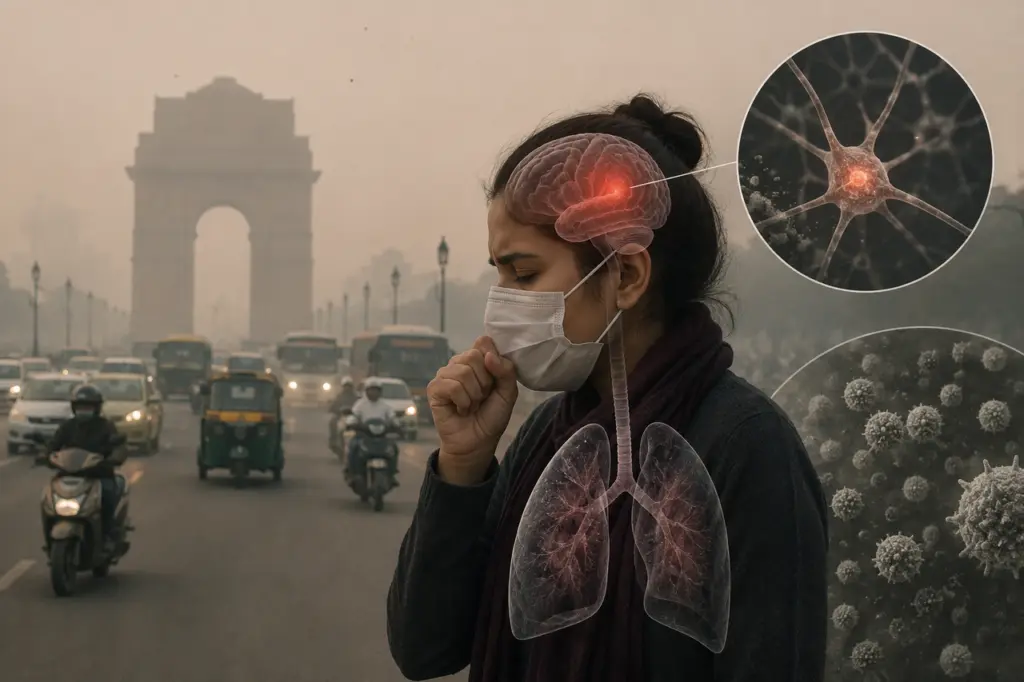
A global study of 109 million cancer cases across 952 locations from 2000 to 2020 has found that PM2.5 is the dominant air pollutant driving cancer incidence. Published in Nature Health, the research attributed 8.82 million cases to PM2.5 exposure, with each 10 micrograms per cubic metre increase raising overall cancer risk by 16%.

Highest preventable fractions were seen in cancers of the respiratory, reproductive and endocrine systems. The study also linked nitrous oxide to 6.67 million cases and ozone to 2.6 million cases, and found women consistently more vulnerable. Researchers from the Chinese Academy of Sciences said 99% of the global population breathes air exceeding WHO guidelines.
The findings reinforce PM2.5's classification as a Group 1 carcinogen by the International Agency for Research on Cancer, with evidence of mutations beyond the respiratory system, including kidney and bladder cancers. The team said the results should inform air quality policies worldwide.
Indian Opinion Analysis
The study adds to a growing body of evidence linking fine particulate matter to systemic cancers beyond the lungs. India, home to 14 of the world's 20 most polluted cities, faces a disproportionate burden: the WHO estimates 1.67 million pollution-related deaths annually in the country. The National Clean Air Programme targets a 40% reduction in PM2.5 by 2026, but enforcement remains uneven across states. The next step will be whether India's graded response action plan incorporates these findings to tighten annual exposure limits below the current 40 micrograms per cubic metre standard.
Source: health.economictimes.indiatimes.com
This story was synthesised by AI from the source linked above. Methodology and corrections.