
















Now Reading: Why BJP reversed decade-long opposition to caste census
-
01
Why BJP reversed decade-long opposition to caste census


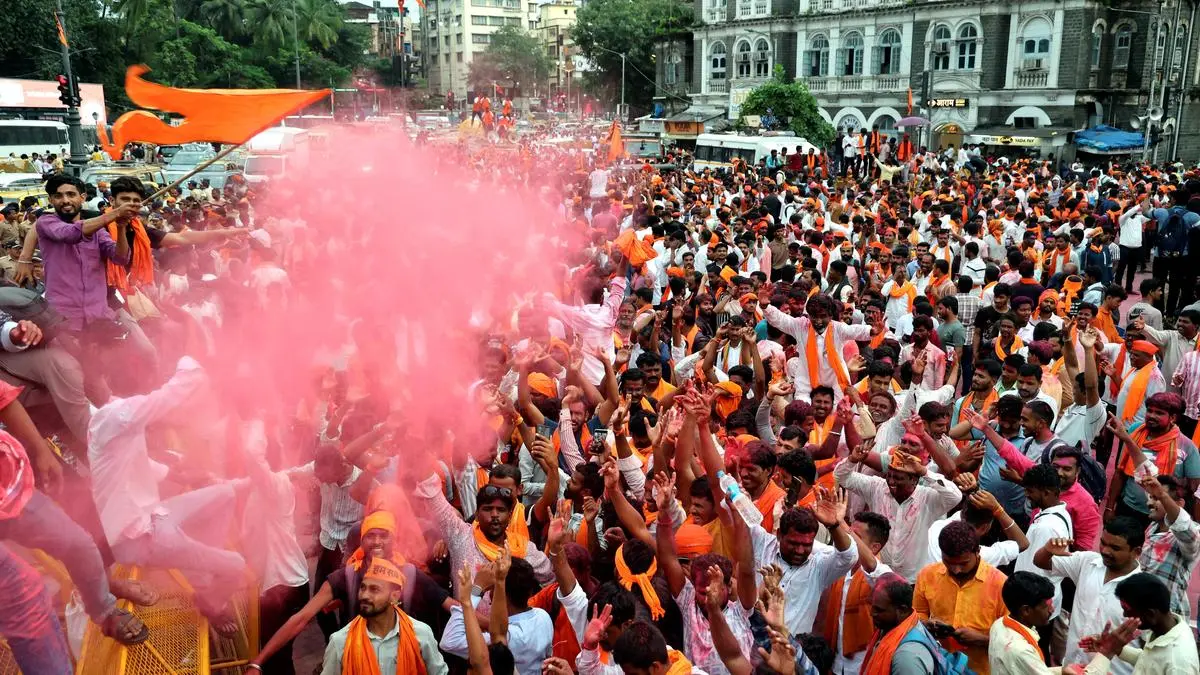
The BJP has reversed its long-standing opposition to a caste census, announcing that caste will be included in the upcoming national enumeration after the 2024 Lok Sabha election delivered a reduced mandate. For over a decade, the party had blocked the release of the 2011 Socio-Economic and Caste Census, calling the exercise "vote-bank politics" and a "divisive agenda." Opposition leader Rahul Gandhi's sustained campaign for a caste census reframed it as a demand for fair representation and resource allocation.
Frontline argues that electoral compulsion alone does not explain the shift. The real question is how the state will use the data. A census is not a neutral count but an administrative tool that classifies and defines communities, and the 21st century state increasingly governs through data rather than law alone. The history of caste enumeration, from colonial classification to constitutional quotas under the Mandal framework, shows that counting caste transforms both the categories and the political landscape.
The decisive signal will come when the government releases the census questionnaire and tabulation plan before enumeration begins in 2025.
Indian Opinion Analysis
The census is governed by the Census of India Act 1948, which empowers the central government to decide what questions are asked. Unlike the decennial census, the Socio-Economic and Caste Census of 2011 was a separate exercise conducted by the Registrar General and the Ministry of Rural Development. Its caste data was never published, and the Supreme Court questioned its reliability in 2015. The decision to include caste in the 2025 census will not automatically reveal the OBC and general category counts that opposition parties demand, because the government must first decide which classification framework to use. The last official exercise to count all castes, the 1931 census, remains the baseline for reservation policy. The test is whether the government publishes the raw data or aggregates it in a way that blurs internal hierarchies. The questionnaire and tabulation plan, expected to be finalised before the 2025 census enumeration begins, will reveal the government's real intent.
Source: frontline.thehindu.com
This brief was synthesised by AI from the source linked above. Methodology and corrections.