














Now Reading: Women protesters face online harassment, doxxing after Jantar Mantar protest
-
01
Women protesters face online harassment, doxxing after Jantar Mantar protest

Women protesters face online harassment, doxxing after Jantar Mantar protest

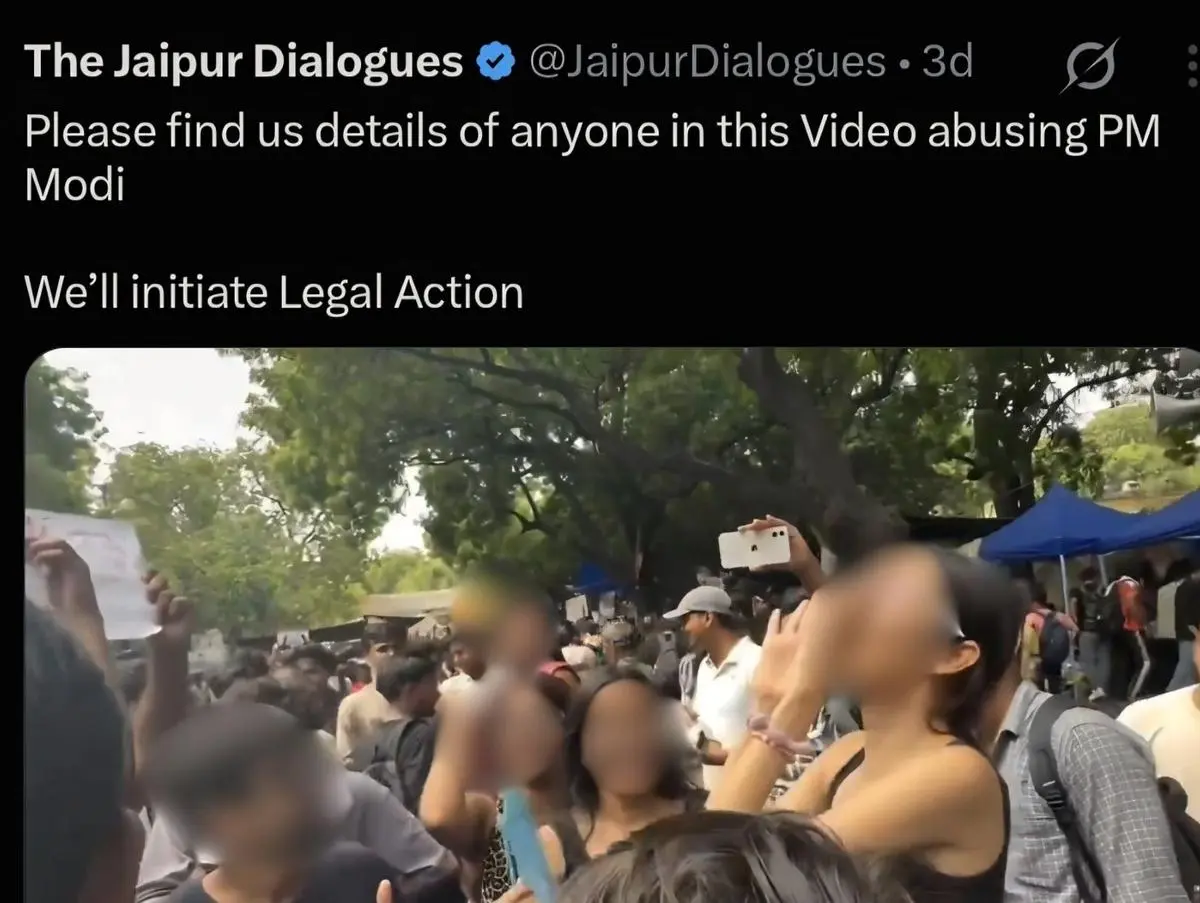
Women who participated in the Jantar Mantar protest against the government are facing online harassment, including doxxing, rape threats, and circulation of personal information. The Hindu reports that Shradha Singh, a 23-year-old MSc student, posted a seven-second Instagram reel at the protest site with RAF personnel in the background and a Harpic ad jingle. After the video went viral, she received death and rape threats, deleted the video, and posted two apologies, but the harassment continued. Her phone number and address were traced through her bike registration number.
The BBC reports that the Cockroach Janta Party (CJP), a youth-led movement, used Instagram to document protests and police crackdowns. After the protests ended, police opened criminal cases against some protesters. The BBC spoke to four women who described rape threats, doctored images, and strangers trawling through their photos. One woman was slut-shamed and attacked for questioning the prime minister's comments, while a college student who filmed a light-hearted video before the protest saw it broadcast on national TV and received anonymous messages threatening police action.
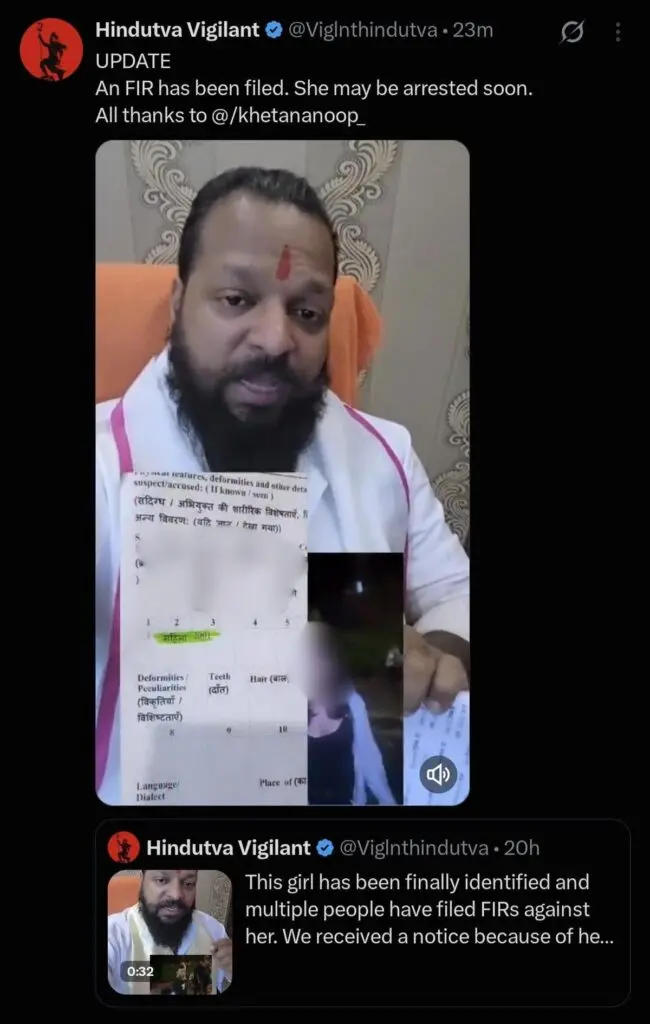
The Hindu reports that one woman was declared 'most wanted' in a post seeking information about her whereabouts, and later posts claimed she had been identified, carrying her name and city. Videos of individuals apologising or being confronted in public have been widely circulated. Shradha Singh alleged that her video was aired by DD News, where it was described as an insult to the Army, though the personnel were RAF. She said accounts refused to take down her video, claiming they had been paid to post it.
Indian Opinion Analysis
The Hindu's coverage centres on the personal stories of women being doxxed and threatened, emphasising the disproportionate response and the role of paid accounts in amplifying harassment. The BBC focuses more on the movement's use of social media and the police crackdown, including the official injury count versus the CJP's claim. Both outlets report the online abuse but The Hindu foregrounds the doxxing and threats more concretely, while the BBC gives more context about the protest itself. The measured read: women who participated in a legitimate protest are facing severe online harassment that has spilled into real-life targeting, with both criminal cases and vigilante-style identification campaigns underway. Watch for whether the police act on the threats or only on the complaints against protesters.
neutral-report
Coverage: 2 sources, 2 neutral
Sources (2): thehindu.com (neutral report), bbc.co.uk (neutral report)
This story was synthesised by AI from the 2 sources linked above. Methodology and corrections.
Updated: this story now draws on 2 sources.