













Now Reading: Women leading change in India: activists share their stories
-
01
Women leading change in India: activists share their stories


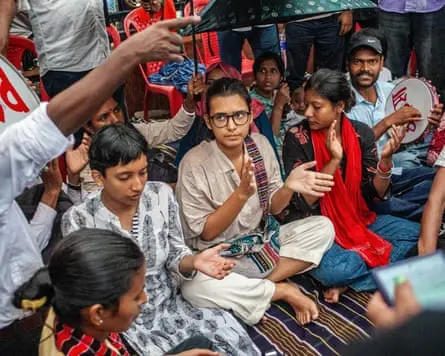
The Guardian profiles women activists driving change in India, from the freedom struggle to contemporary movements. The article highlights the Chipko movement, the Shaheen Bagh protests, and the recent student-led Cockroach Protests against exam paper leaks.
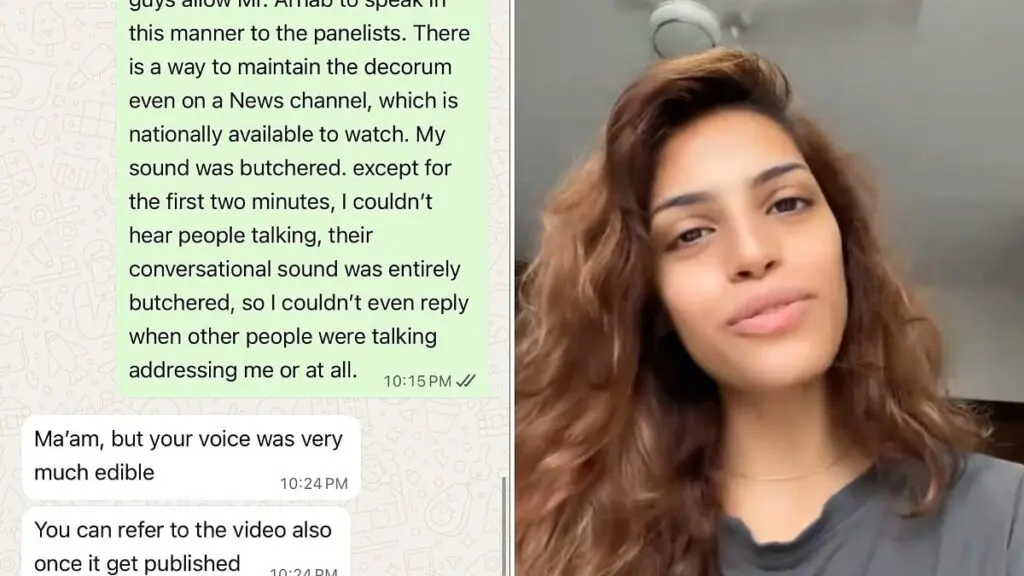
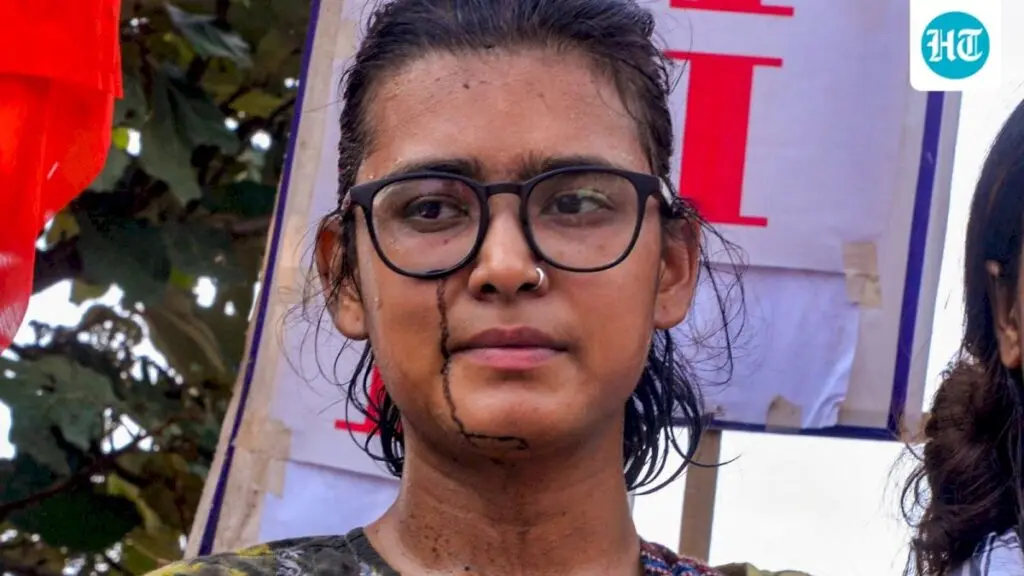
Neha Bora, president of the All India Students' Association, fasted for 23 days demanding education reforms. She says politics is about more than slogans, it is the language of everyday life. Rhiya Ahir, a model and actor, blocked a police van to protect detained protesters and faced an online hate campaign targeting her appearance. She asserts her clothes do not define her character.
The report notes that electoral politics remains difficult for women to enter, with nearly half of female parliamentarians and state legislators coming from political families, compared to 18% for men, according to a 2025 analysis by the Association for Democratic Reforms.
Indian Opinion Analysis
The Guardian's coverage is a feature-length human-interest piece that centres the voices of female activists, framing their personal motivations against structural barriers like the low representation of women in electoral politics. The stance is neutral-report but leans towards a sympathetic portrayal of protest movements, implicitly critical of the government's handling of education and dissent. The piece does not include government or ruling party perspectives. A careful reader should note that the article focuses on opposition and activist narratives without countervailing official views. Watch for the impact of the Gen Z Rising campaign on education policy ahead of the next exam season.
Coverage: 1 source, 1 neutral
Source: theguardian.com (neutral report)
This story was synthesised by AI from the source linked above. Methodology and corrections.