








Now Reading: India’s drag history reclaims agency from myth to modern stage
-
01
India’s drag history reclaims agency from myth to modern stage


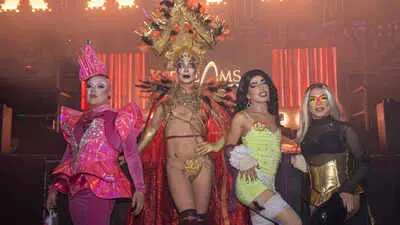
A new wave of Indian drag artists is reclaiming the performance of femininity with agency, drawing from both global queer culture and Indian traditions. The article traces roots in mythology and folk performance, from men playing goddesses in the Natyashastra to Arjuna's disguise as Brihannala in the Mahabharata, and to living traditions like Launda Naach and Chamayavilakku.
However, contemporary performers like Lush Monsoon argue these historical forms are not the same as modern drag. She says traditions like Launda Naach can be exploitative, born from the erasure of women and a male gaze that fears the feminine. A younger performer said they were attracted to modern drag precisely because it offers agency, a quality they do not see in those older traditions.
Indian Opinion Analysis
The distinction between historical cross-dressing and modern drag hinges on agency: who controls the performance. In traditional forms like Launda Naach or Kathakali, performers follow rigid ritual or social roles. Modern drag, by contrast, is a self-chosen identity often tied to LGBTQ+ rights and queer visibility in India. The handful of active drag performers in cities like Delhi face not only social stigma but also practical hurdles: few safe venues, limited funding, and legal ambiguity after the 2018 reading down of Section 377. Watch for whether more drag festivals emerge or the scene stays confined to private events.
Source: timesofindia.indiatimes.com
This story was synthesised by AI from the source linked above. Methodology and corrections.