


















Now Reading: ILO-NCAER brief flags digital finance gap holding back women in platform economy
-
01
ILO-NCAER brief flags digital finance gap holding back women in platform economy

ILO-NCAER brief flags digital finance gap holding back women in platform economy


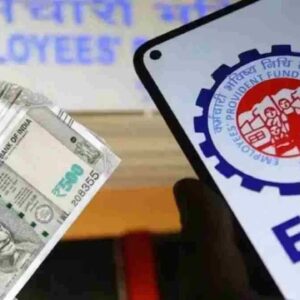
An ILO-NCAER policy brief released Monday says women in India's platform economy remain constrained by limited access to digital financial services, despite the country nearly closing the gender gap in basic bank-account ownership. Women's participation lags men significantly in digital capability: only 25% of women could perform online banking in 2022-23, versus 47% of men. The gap is widest in mobile money, 32% of men had accounts against 14% of women, triple the global average.
The brief calls for cashflow-based lending using digital platform payment records, integration of financial DPI with e-Shram records, and financial products designed around women's income patterns. NITI Aayog estimates India's platform workforce could rise from 12 million in 2024-25 to 23.5 million by 2029-30. The recommendations aim to address both entry barriers, 52% of women lack platform start-up capital, and ongoing risks including fraud, algorithmic bias, and exclusion when phone connections are not in women's names.
Indian Opinion Analysis
Times of India leads with the NITI Aayog workforce projection and quotes official speakers at the roundtable, framing the ILO-NCAER brief as a roadmap for opportunity. Livemint leads with the persistence of a digital finance gender gap despite near-universal bank accounts, emphasising the 18-percentage-point mobile-money gap, the widest among comparator countries, and the structural barriers around device ownership and credit design. Both outlets report the same facts, but Times of India foregrounds the upside (what the platform economy can unlock) while Livemint foregrounds the shortfall (how deep the exclusion runs). The balanced reading: basic bank access is a necessary but insufficient condition. Watch whether the policy brief's recommendation to link e-Shram records with the Account Aggregator framework gains traction in the next Union Budget cycle.
Coverage: 2 sources, 2 neutral
Sources (2): timesofindia.indiatimes.com (neutral report), livemint.com (neutral report)
This story was synthesised by AI from the 2 sources linked above. Methodology and corrections.
Updated: this story now draws on 2 sources.