























Now Reading: India’s $20 trillion goal by 2036 needs 20 reforms: report
-
01
India’s $20 trillion goal by 2036 needs 20 reforms: report


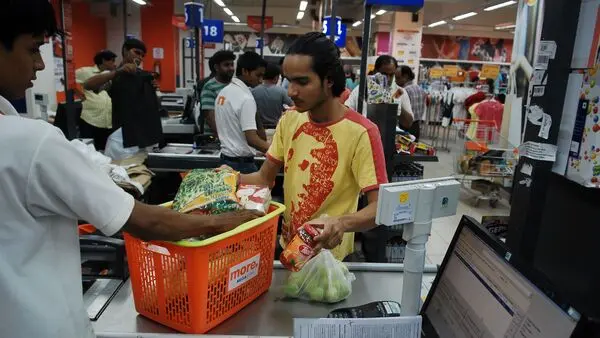
A new Equirus Securities report says India's economy must grow nearly 5.5 times in a decade, to $20 trillion by 2036, requiring roughly 18% annual nominal growth in dollar terms, well above the historical 10-11% trend. The report proposes 20 reforms across capital markets, infrastructure, human capital, services, and governance. Equirus stresses these are conditional scenario estimates, not government targets.

The Hindu argues India's growth story is incomplete without raising women's work participation rate, which is below 30%, among the lowest globally. It cites a study estimating a 10-percentage-point rise in female WPR could add nearly two percentage points to GDP growth. The Wire.in meanwhile focuses on the black economy as the real challenge, arguing the services sector's dominance has not generated sufficient employment while the unorganised sector employing most workers is declining.
Indian Opinion Analysis
The Equirus report is a neutral scenario exercise, but its framing, focusing on what could be achieved with reforms, presents an optimistic roadmap. The Hindu takes a government-critical stance, spotlighting structural weaknesses like low female workforce participation and questioning official GDP growth figures. The Wire.in is also critical, blaming the black economy and policy failures. Across the three, the measured takeaway is that India's long-term growth ambition faces real constraints in employment, inclusion, and governance, the Equirus report itself makes clear that execution is the variable. Watch for government response to the report's reform suggestions in the next budget cycle.
Coverage: 3 sources, 2 government-critical, 1 neutral
Sources (3): thehindu.com (government critical), m.thewire.in (government critical), thelogicalindian.com (neutral report)
This story was synthesised by AI from the 3 sources linked above. Methodology and corrections.
Updated: this story now draws on 3 sources.