




Now Reading: Youth Congress challenges Meta’s automatic blocking of Rahul Gandhi posts in Delhi HC
-
01
Youth Congress challenges Meta’s automatic blocking of Rahul Gandhi posts in Delhi HC

Youth Congress challenges Meta’s automatic blocking of Rahul Gandhi posts in Delhi HC

The Story in Brief
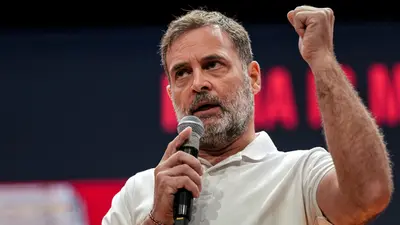
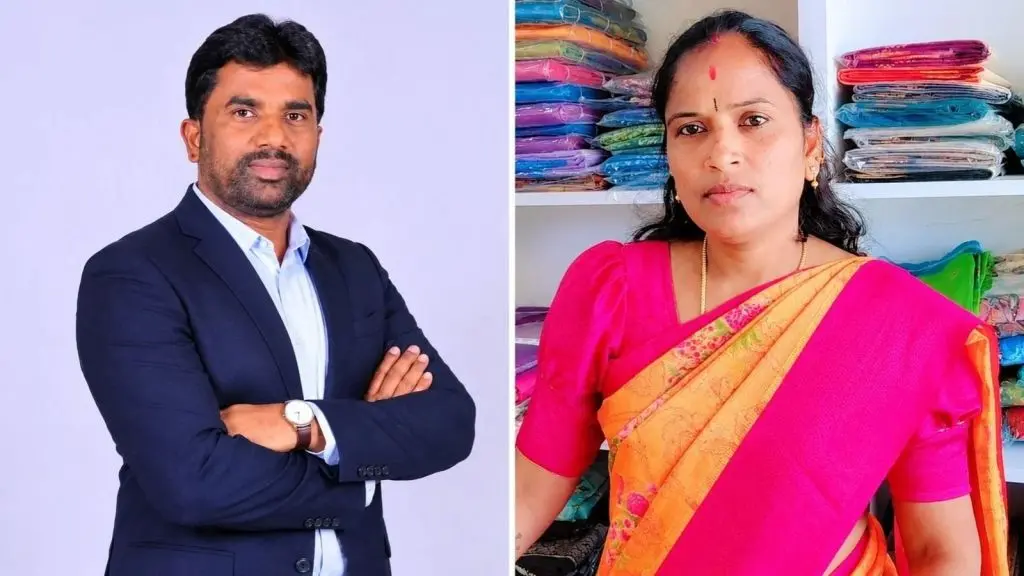
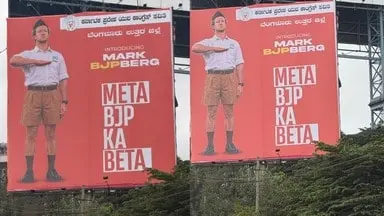
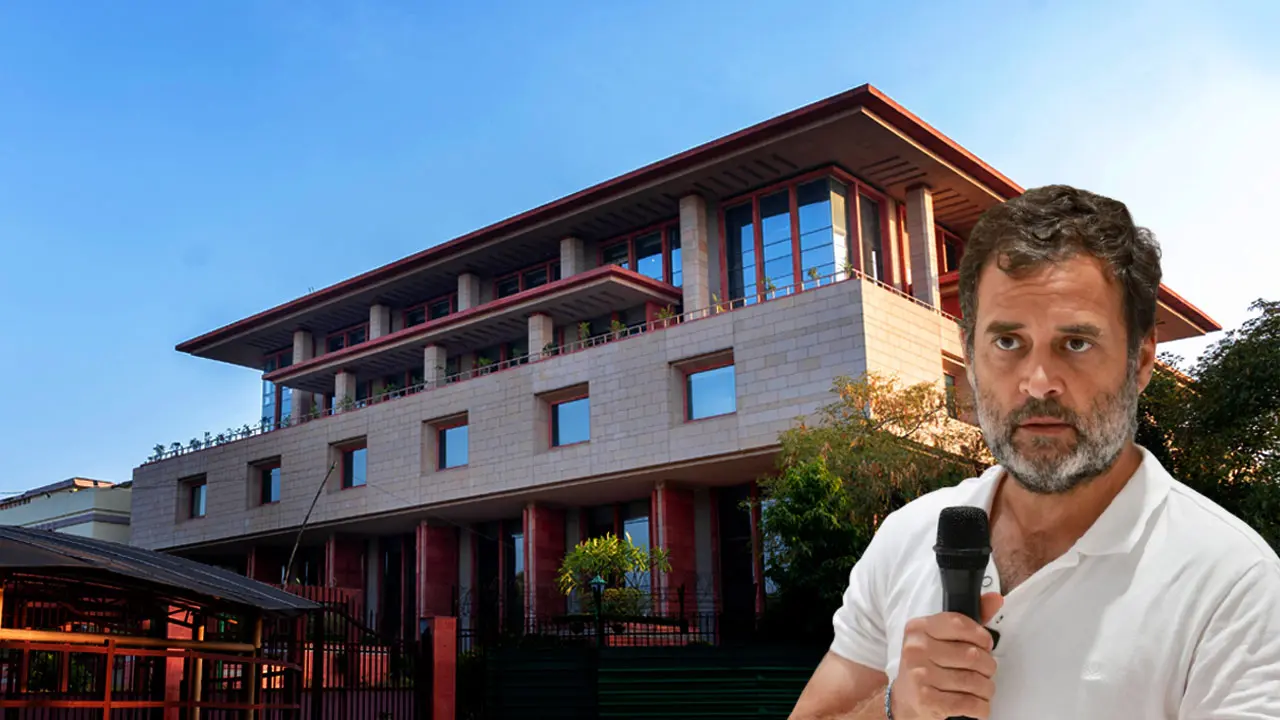
The Indian Youth Congress (IYC) has moved the Delhi High Court against the alleged automatic blocking of social media posts featuring Congress leader and Leader of Opposition Rahul Gandhi. The petition, filed by IYC national secretary Manu Jain, challenges the constitutional validity of Rule 4(4) of the Information Technology Rules, 2021, arguing that it enables automated content restriction without notice, reasons or a hearing.

The plea claims that between 29 September and 23 November, several posts on Instagram and Facebook, including photographs of party workers with Rahul Gandhi, a wedding invitation extended to him, birthday greetings, tributes to former Prime Minister Rajiv Gandhi, and a post about his lecture at the University of Chicago, were blocked. It alleges that Meta's automated system treats Rahul Gandhi's name and image as keywords for restriction. The petition also challenges advisories issued by the Ministry of Electronics and Information Technology on 8 and 10 October.
The IYC has sought a declaration that Rule 4(4) is unconstitutional to the extent it mandates automated blocking of content identical to previously removed material. It also asks for the restoration of restricted posts and a direction to Meta not to block content solely because it carries Rahul Gandhi's name or photograph.
Indian Opinion Analysis
Both livelaw.in and indiatvnews.com report the IYC petition in neutral, straight-news style, reproducing the IYC's allegations without independent slant or comment. Livelaw.in carries a longer, legally detailed account, including the petition's constitutional challenge to Rule 4(4) and the argument that safeguards under Section 69A of the IT Act are absent. Indiatvnews.com provides a briefer version, framing the story around the controversy and the political question of whether a leader's name triggers automatic blocking. Neither outlet adopts a pro-government or critical stance, both present the petition's claims as allegations. The uniform coverage leaves the story's significance in the legal question the court will now weigh: whether automated blocking under Rule 4(4) can survive constitutional scrutiny when applied to political speech without prior judicial or executive authorisation.
The Delhi High Court's response to the petition, including any interim order or notice to Meta and the Centre, will be the next concrete development to watch.
Coverage: 2 sources, 2 neutral
Sources (2): livelaw.in (neutral report), indiatvnews.com (neutral report)
This brief was synthesised by AI from the 2 sources linked above, so one read covers every framing they carry. Methodology and corrections.