



















Now Reading: 107 sugar mills start crushing, ISMA says supply adequate
-
01
107 sugar mills start crushing, ISMA says supply adequate



The Story in Brief
Nearly 110 sugar mills have started sugarcane crushing for the 2026-27 marketing year that began in October 2026, according to the Indian Sugar & Bio-Energy Manufacturers Association (ISMA). The association said the country has sufficient sugar stocks to meet festive demand, with domestic demand estimated at 280 to 285 lakh tonne annually. ISMA noted the previous season ended with about 36 lakh tonne of closing stocks, and production as of 25 October stood at 4 lakh tonne, compared with 0.6 lakh tonne a year earlier.
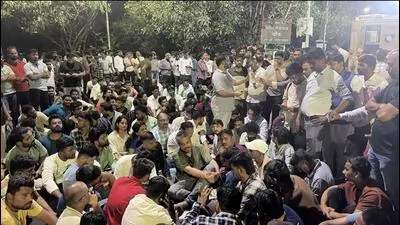
However, the Times of India reported a slow start in Maharashtra, where 92 of the state’s 224 mills had begun crushing, producing 30.9 lakh quintals of sugar in ten days. It attributed the pace to delays in Kolhapur and Sangli districts and an ongoing cane price agitation led by farmer leader Raju Shetti. The New Indian Express reported that the Ministry of Food and Consumer Affairs plans to collect monthly sugar production data in real time to improve estimates, after what an official called ‘mistakes in last year’s sugar policy’ that contributed to a sharp rise in retail prices.
Indian Opinion Analysis
The coverage splits between ISMA’s assurance of adequate supplies and on-the-ground disruptions highlighted by the Times of India, which details the cane price agitation and slow crushing in Maharashtra. The New Indian Express adds a government dimension, reporting that the Centre will monitor production in real time after admitting to policy errors last year that drove up prices. The Hindu and Economic Times reproduce ISMA’s statement neutrally, while Business Today echoes the association’s line on stable prices. The balanced reading is that while stocks appear sufficient, regional delays and farmer protests pose near-term risks that the government is now trying to track more closely. The next concrete step is the 31 October deadline for duty-free raw sugar imports to be processed and supplied to the domestic market.
Coverage: 5 sources, 5 neutral
Sources (5): economictimes.indiatimes.com (neutral report), thehindu.com (neutral report), timesofindia.indiatimes.com (neutral report), newindianexpress.com (neutral report), businesstoday.in (neutral report)
This brief was synthesised by AI from the 5 sources linked above, so one read covers every framing they carry. Methodology and corrections.