
















Now Reading: India bars sugar-based ethanol in 2026-27 tender, cuts maize price
-
01
India bars sugar-based ethanol in 2026-27 tender, cuts maize price



The Story in Brief
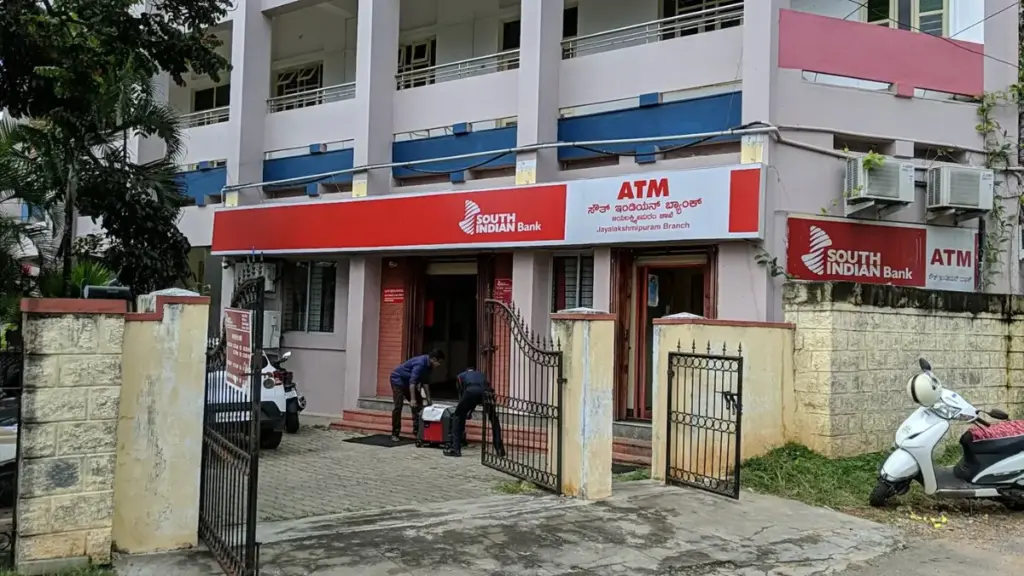
State-run oil marketing companies have barred ethanol made from sugarcane juice, sugar syrup and B-heavy molasses from their latest procurement tender for the 2026-27 supply year, as the government seeks to protect domestic sugar supplies while sustaining the petrol-blending programme. The tender, issued on 16 October by BPCL on behalf of OMCs, seeks bids for around 11 billion litres of ethanol for the supply year from November 2026 to October 2027 to meet the requirement of blending 20% ethanol in petrol.
The tender also cuts the procurement price for maize-based ethanol to Rs 68.86 per litre from Rs 71.86, and reduces the maize incentive to Rs 2.79 per litre from Rs 5.79. Bids are now allowed only for ethanol produced from maize, broken rice, surplus rice procured by the Food Corporation of India (FCI) and C-heavy molasses. The move comes amid concerns over domestic sugar availability and rising prices after poor rainfall in key sugar-producing states including Maharashtra and Karnataka raised the risk of lower output.
Indian Opinion Analysis
Both sources cover the tender as a straight policy announcement, with near-identical facts and no discernible slant. Orissa Post leads with the ban on sugar-based ethanol and the incentive cut in its first sentence, while Times of India front-loads the headline with the same two elements and devotes a subhead to why the government took the step, but neither outlet frames the move as a failure or a success. Both cite the tender document verbatim and attribute the decision to the government's effort to balance sugar supply with energy-security goals. With coverage essentially uniform, the only editorial difference is structural: Times of India uses question subheads for readability, Orissa Post writes a continuous narrative. The balanced reading confirms a deliberate policy shift, not a crisis response, and the key metric to watch is grain-based distillery capacity and feedstock prices as the supply year begins on 1 November 2026.
Coverage: 2 sources, 2 neutral
Sources (2): orissapost.com (neutral report), timesofindia.indiatimes.com (neutral report)
This brief was synthesised by AI from the 2 sources linked above, so one read covers every framing they carry. Methodology and corrections.