














Now Reading: 12,300km of Oil Pipelines Under Construction Worldwide
-
01
12,300km of Oil Pipelines Under Construction Worldwide


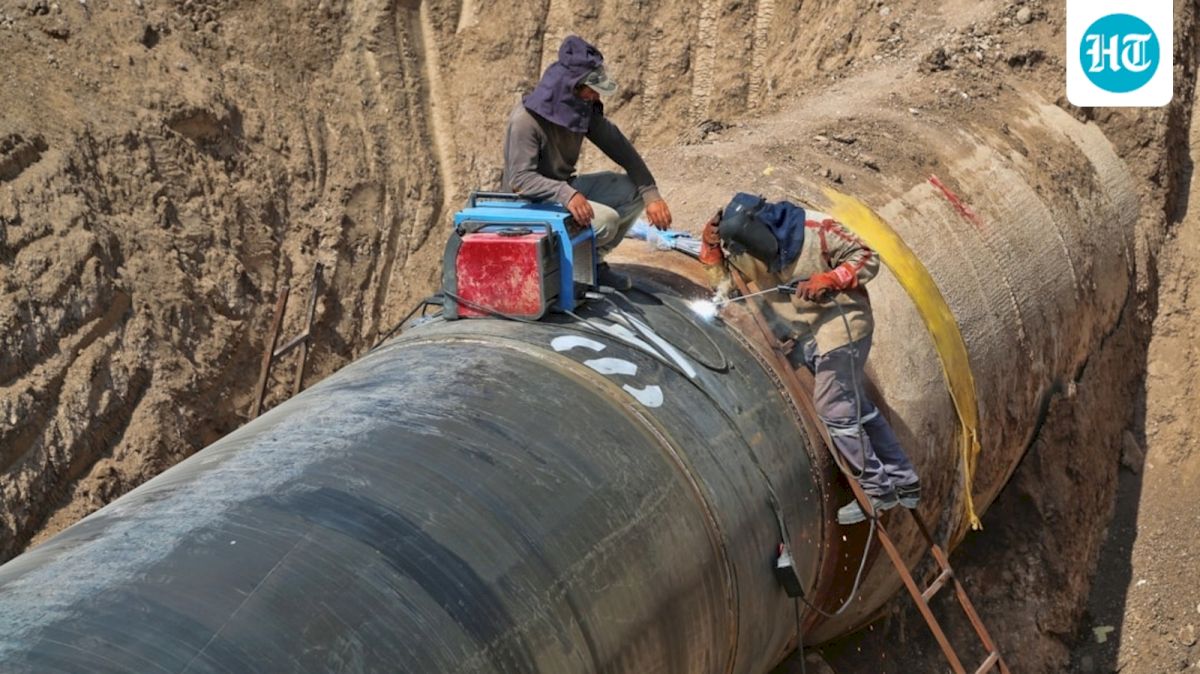
About 12,300km of oil pipelines are under construction globally, with another 20,100km proposed, according to Global Energy Monitor. The projects expand a network already spanning roughly 350,000km and reflect efforts to avoid…
The Story in Brief
About 12,300km of oil pipelines are under construction globally, with another 20,100km proposed, according to Global Energy Monitor. The projects expand a network already spanning roughly 350,000km and reflect efforts to avoid vulnerable shipping chokepoints and connect new oilfields to export terminals.
The Middle East is seeking more routes after disruptions around the Strait of Hormuz. The UAE plans to double the capacity of its Habshan-Fujairah pipeline, while the US, Iraq and Qatar plan to upgrade a route from Iraq to Syria. Argentina and East Africa also have major projects. A 1,000km pipeline carrying 1m barrels daily costs about $5bn on average, but can be cheaper than road or rail transport.
The Indian Opinion
The easy story is that every pipeline is either a guaranteed energy lifeline or an obsolete fossil-fuel gamble. Neither is sufficient. Chokepoints can make routes valuable, while falling oil volumes could leave owners with expensive underused assets. Take-or-pay contracts and sale-and-leaseback deals shift some risks, but do not remove them. Investors should examine committed volumes, contract length and terrain costs, not just promised returns of 6-8%. The clearest test is whether these lines keep carrying their designed volumes over the next decade.
Source: hindustantimes.com
This story was synthesised by AI from the source linked above.