














Now Reading: 13-yr-old girl reveals motive for Karuvatta murder
-
01
13-yr-old girl reveals motive for Karuvatta murder


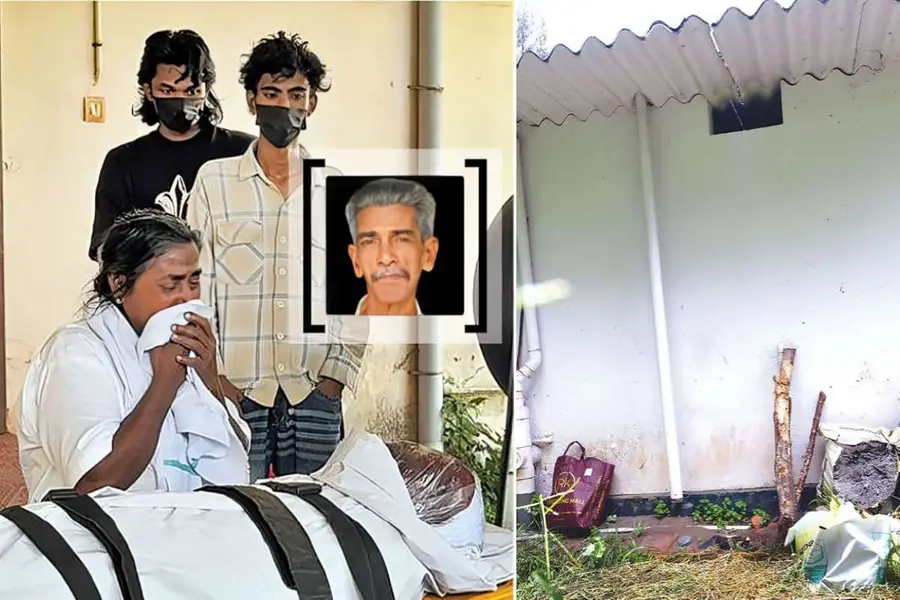
A 13-year-old girl wept during police interrogation in Alappuzha, confessing that resentment over strict restrictions and lack of affection drove her to plot the murder of her relative, Sivankutty. The girl told police she received no affection in childhood and faced many restrictions from the deceased, including opposition to having multiple male friends, coming home late, and excessive mobile phone use.
The murder was planned over several months. The group initially considered poisoning and a staged road accident before settling on the attack when Sivankutty was home alone. The girl's lover and his friends arrived by train, and she relayed real-time instructions over the phone during the crime. After the murder, the group celebrated at a roadside eatery in Haripad.
Police recovered crucial evidence from the girl's mobile phone, including call logs and chat histories that were not deleted. The girl allegedly witnessed the murder in real-time and continued updating the accused after the crime. Sivankutty, known for his gentle nature, had moved to Karuvatta two years ago after his son's suicide.
Indian Opinion Analysis
The case highlights how prolonged family conflict can escalate into extreme violence among minors. Under the Juvenile Justice (Care and Protection of Children) Act, 2015, the girl cannot be tried as an adult since she is under 16, regardless of the crime's severity. She will likely be placed in a special home for observation, and the Juvenile Justice Board will decide on rehabilitation measures. The accomplices, being adults, face murder charges under the IPC. The next hearing will reveal whether the police seek the girl's transfer to an adult facility, which requires a board assessment of her mental capacity to understand the crime.
Source: english.mathrubhumi.com
This story was synthesised by AI from the source linked above. Methodology and corrections.