Now Reading: 17,698 Varanasi households get zero power bills under solar scheme
-
01
17,698 Varanasi households get zero power bills under solar scheme


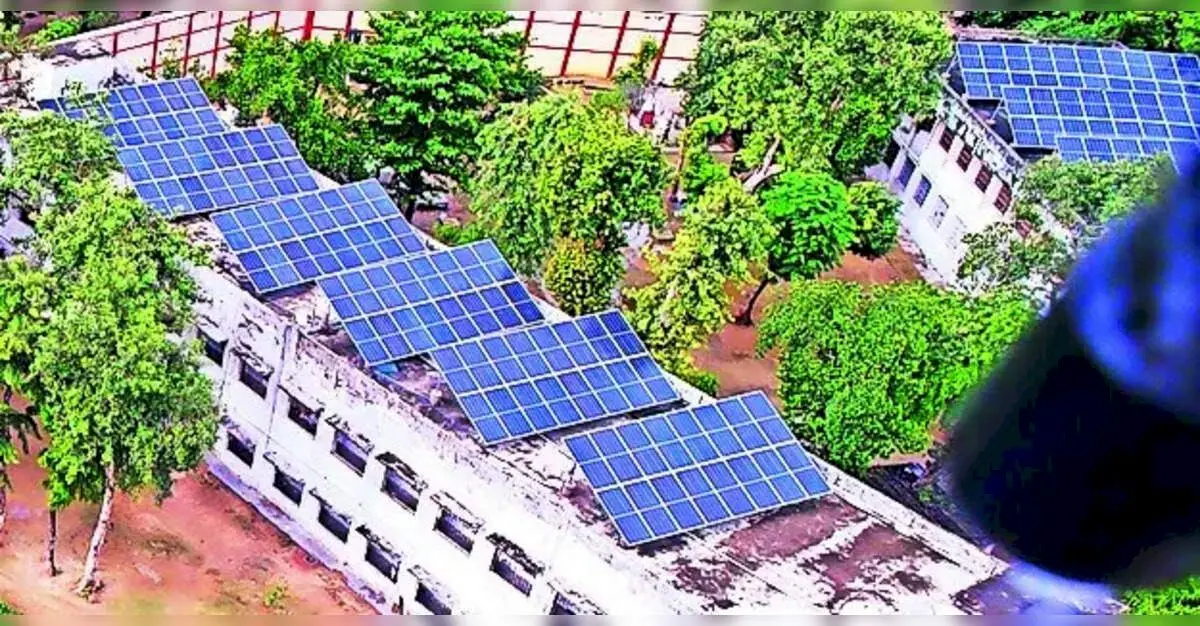
More than 50,000 households in Varanasi have installed rooftop solar systems under the Prime Minister Surya Ghar Muft Bijli Yojana, with 17,698 consumers now receiving zero electricity bills, according to TNN. The…
The Story in Brief
More than 50,000 households in Varanasi have installed rooftop solar systems under the Prime Minister Surya Ghar Muft Bijli Yojana, with 17,698 consumers now receiving zero electricity bills, according to TNN. The district has developed over 150 MW of solar capacity, with rooftop plants generating nearly 7.5 lakh units of clean electricity worth over Rs 51 lakh per day. Chief development officer Prakhar Kumar Singh said 76,218 people have applied so far under the scheme. Residents like Seema Bano and Santosh Kumar Srivastava reported their bills dropping from Rs 2,000-3,500 to zero, freeing up household budgets.

The Indian Opinion
The story rightly showcases the scheme's success in PM Modi's constituency, but smart readers will ask: are these zero bills permanent or does the subsidy have a sunset clause? The notion that rooftop solar is a pure win ignores the grid's need for stable base load, and the fact that most households cannot afford the upfront cost even after subsidy. The real test will come in the monsoon months when solar generation drops. Will the grid remain reliable and the bills still zero? That is the question the official numbers do not answer.
Source: energy.economictimes.indiatimes.com
This story was synthesised by AI from the source linked above.