

















Now Reading: 2026 El Nino may break records, impact India monsoon and global weather
-
01
2026 El Nino may break records, impact India monsoon and global weather


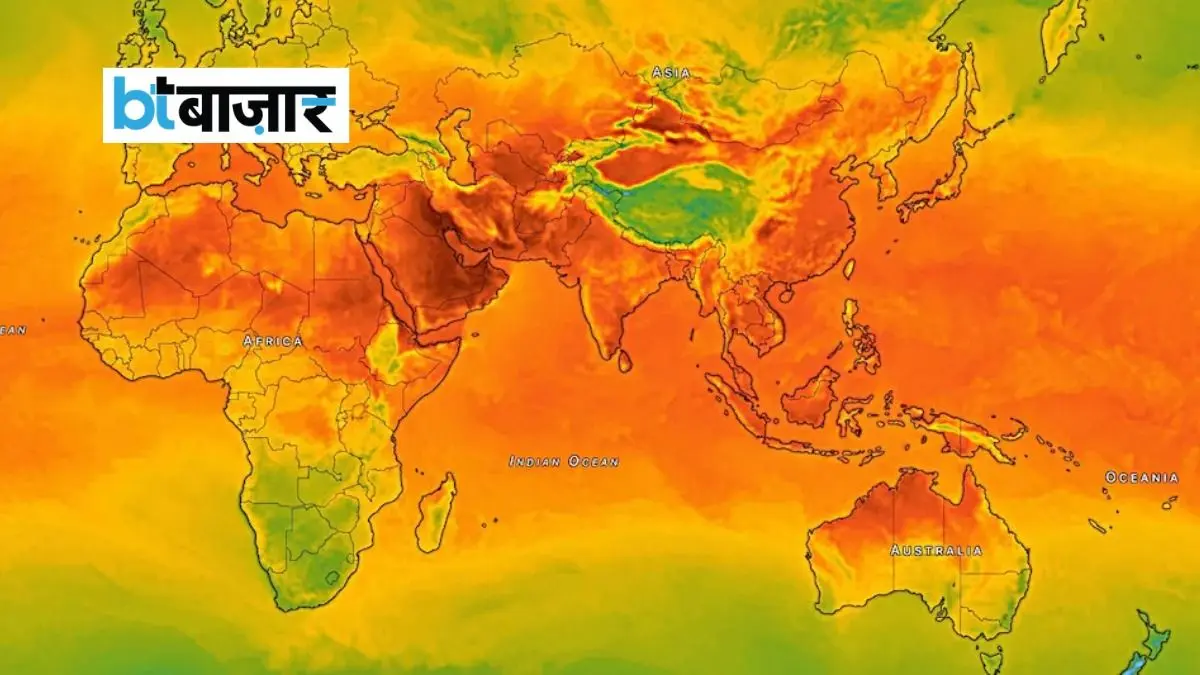
Scientists predict that an El Nino event developing in the Pacific Ocean in 2026 could become one of the strongest on record, potentially surpassing the 2015-16 record when the sea surface temperature anomaly in the Nino 3.4 region exceeded 2.75 degrees Celsius. This warming phase of the El Nino Southern Oscillation (ENSO) is expected to affect global temperature, rainfall, and weather patterns through 2027.
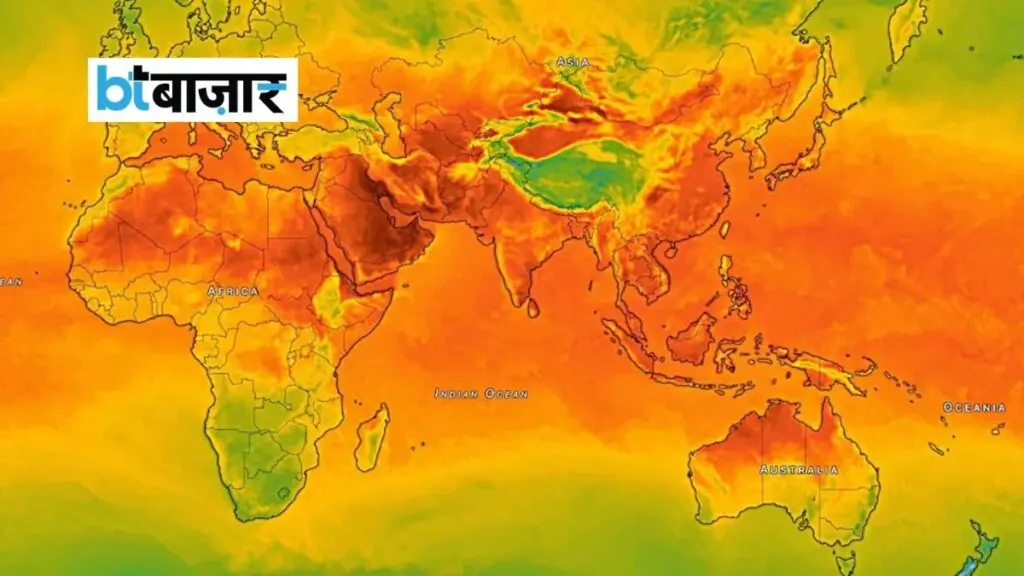
For India, a strong El Nino typically weakens the summer monsoon, affecting agriculture, water availability, and the rural economy. The phenomenon also alters trade winds, pushing warm water eastward toward South America and slowing the upwelling of cold, nutrient-rich water. Global impacts may include drought in Southeast Asia and Australia, floods in parts of South America and East Africa, and milder winters in northwestern North America.
The event is being informally called a 'super El Nino' due to its projected strength, though this is not a scientific term. While El Nino temporarily raises global temperatures by releasing ocean heat into the atmosphere, scientists stress that long-term warming remains driven by greenhouse gas emissions. The full effects of this event may become visible with a delay of three to six months.
Indian Opinion Analysis
India's monsoon is already under stress from a changing climate, and a record-strength El Nino could deepen deficits in key rain-fed districts. The last such event in 2015-16 caused drought in parts of central and southern India, hitting kharif crops like paddy and pulses. The India Meteorological Department will need to watch the Nino 3.4 index closely from mid-2025 to update its seasonal outlook. Farmers and policymakers should prepare for a potentially weaker monsoon in 2026, with contingency plans for water storage and crop diversification. The next major signal will come from the Madden-Julian Oscillation's phase over the Indian Ocean in early 2026.
Source: bazaar.businesstoday.in
This story was synthesised by AI from the source linked above. Methodology and corrections.