












Now Reading: Bank unions begin three-day strike from September 28
-
01
Bank unions begin three-day strike from September 28


The Story in Brief
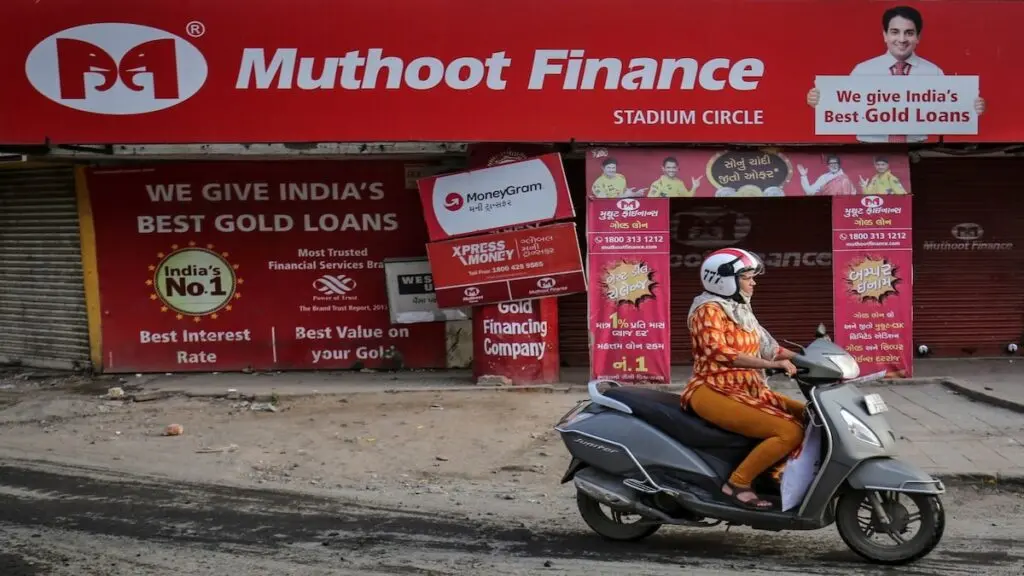
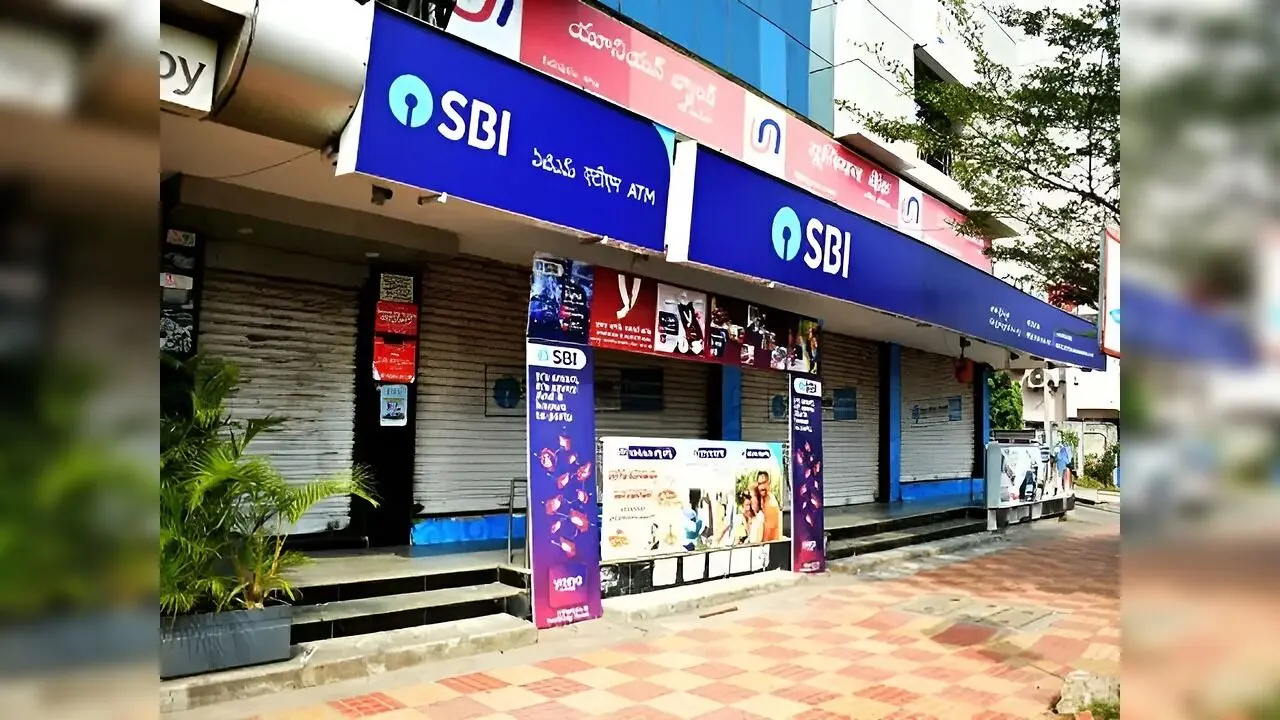
Bank unions under the United Forum of Bank Unions (UFBU) began a three-day nationwide strike on Monday, 28 September, demanding a five-day banking week and other pending issues. The strike primarily affects public sector banks, old-generation private banks, and regional rural banks, while new-generation private lenders such as HDFC Bank, ICICI Bank, and Axis Bank remain open. Digital banking services including ATMs, UPI, net banking, and mobile banking continue to function normally.
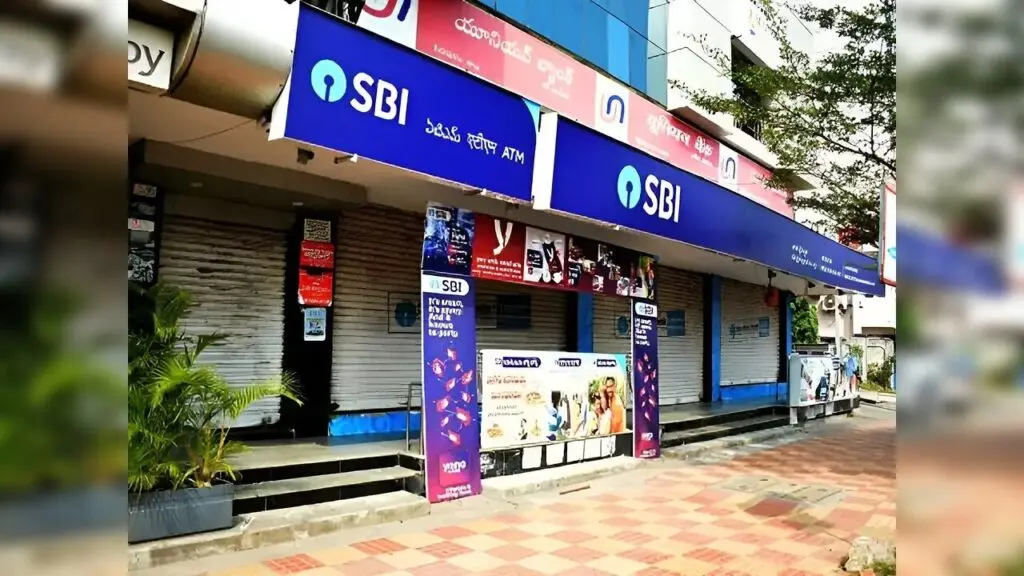
SBI, Canara Bank, and Bank of Baroda have advised customers to complete branch-related work in advance and use digital channels. The Finance Ministry urged employees to refrain from striking and resolve issues through dialogue. Unions have also threatened an indefinite strike from 26 October if demands are not met. Besides a five-day week, unions seek pension updates and a switch to the Old Pension Scheme for NPS employees. Gandhi Jayanti on 2 October will add another day of branch closures.
The Economic Times reports that the Indian Banks' Association has formed a high-level committee with unions to examine implementing a five-day week. No decision has been taken yet. The committee will consider alternatives and consult stakeholders. The strike follows a one-day walkout on 11 September.
Update, 30 September 2026: The Economic Times reports that the Indian Banks' Association has formed a high-level committee with unions to examine implementing a five-day banking week, though no decision has been taken. The same outlet also provides a cost analysis showing employee expenses would not materially reduce. The Hindu confirms the strike details and adds that the government put the PLI demand in abeyance earlier this month.
Indian Opinion Analysis
The coverage of the bank strike is almost entirely uniform wire-style reporting across the five sources, with no discernible pro-government or critical slant in any article. All outlets factually report the strike dates, the five-day week demand, union statements, the Finance Ministry appeal, and the availability of digital services. Times Now, Times of India and Telangana Today lead with the disruption to branch services for customers, a practical framing, while The Hindu and the Economic Times add the unions' other demands and the government's stance in abeyance on PLI. The Economic Times alone steps away from the strike narrative to analyse potential cost savings of a five-day week, citing SBI's staff expenses and UPI transaction data, a forward-looking framing absent elsewhere. No source questions the strike's legitimacy or criticises either side.
Coverage: 5 sources, 5 neutral
Sources (5): timesnownews.com (neutral report), timesofindia.indiatimes.com (neutral report), telanganatoday.com (neutral report), thehindu.com (neutral report), economictimes.indiatimes.com (neutral report)
This brief was synthesised by AI from the 5 sources linked above, so one read covers every framing they carry. Methodology and corrections.