








Now Reading: 42 Eastern Indigo Snakes Released in Florida and Alabama
-
01
42 Eastern Indigo Snakes Released in Florida and Alabama



Conservation teams released 42 captive-bred eastern indigo snakes in Florida and Alabama during late April and early May 2026. Half went to the Apalachicola Bluffs and Ravines Preserve in Florida, while the…
The Story in Brief
Conservation teams released 42 captive-bred eastern indigo snakes in Florida and Alabama during late April and early May 2026. Half went to the Apalachicola Bluffs and Ravines Preserve in Florida, while the rest were released in Alabama’s Conecuh National Forest. The Florida release marked the 10th consecutive year of releases at the preserve.
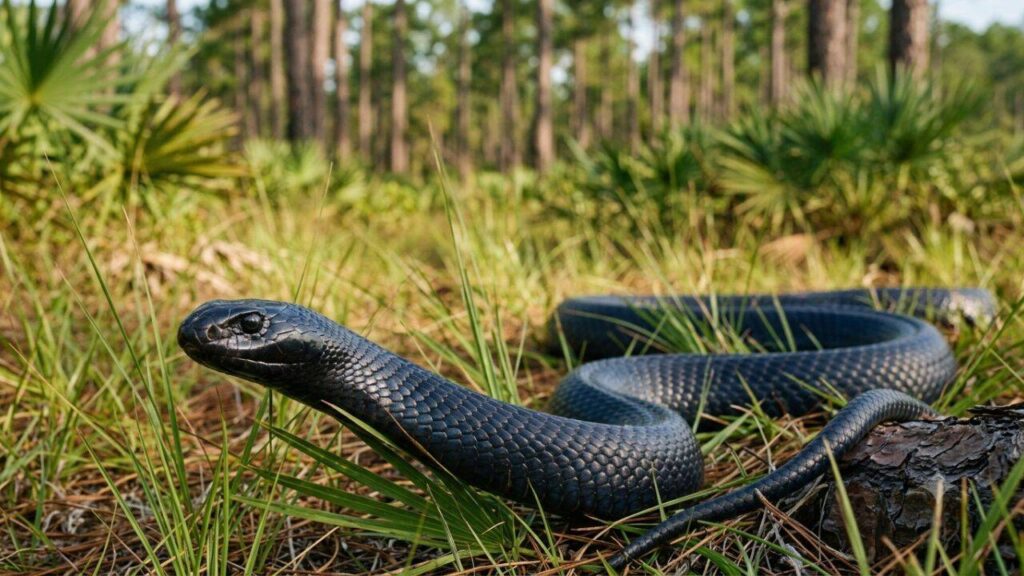
The Central Florida Zoo reports that released snakes have survived for years in the wild, including a female released in 2019, and that wild-born hatchlings have been found. The programme aims to establish self-sustaining populations of the non-venomous species, which can grow up to 8 feet and has declined as longleaf pine forests and other habitats were lost or fragmented.
The Indian Opinion
The easy narratives are that releasing a few dozen snakes either solves conservation or achieves nothing. Both claims miss the evidence. Forty-two animals cannot restore a species across its former range, but wild-born hatchlings and a long-lived released female suggest the work is producing more than headlines. The fair test is whether repeated monitoring records breeding adults and young at both sites over the next several years.
Source: timesofindia.indiatimes.com
This story was synthesised by AI from the source linked above.