













Now Reading: ISB study warns UPI MDR may hit small vendor margins
-
01
ISB study warns UPI MDR may hit small vendor margins


The Story in Brief
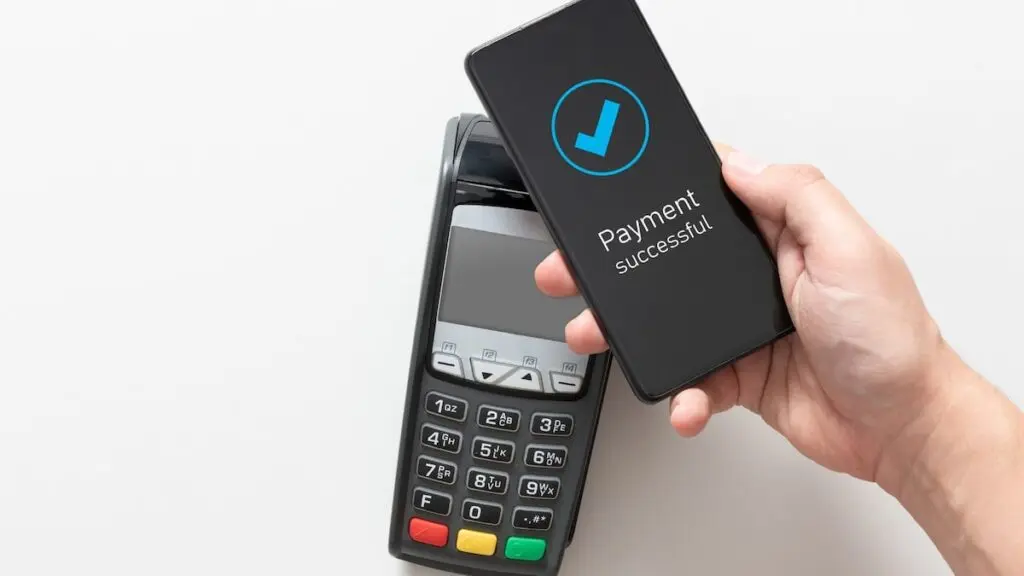
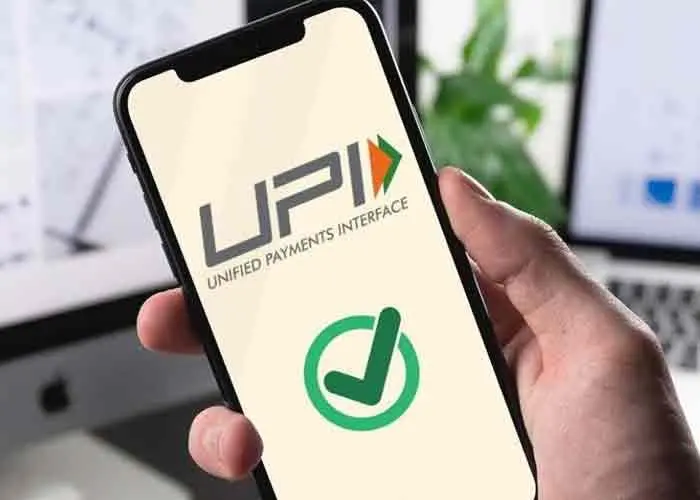
A study by the Indian School of Business (ISB) has found that over 45% of small vendors in Tier 2 and Tier 3 cities, and 53% in Tier 1 cities, may reduce UPI acceptance if the proposed merchant discount rate (MDR) framework is implemented. Based on a survey of 722 street vendors across 14 states and union territories, the study also found that 30% of Tier 1 vendors would consider passing the cost to customers, and 10.4% reported suppliers already charging extra for UPI payments in the 10 days before the survey.
Announced in September 2026, the framework proposes a 0.4% charge on transactions above Rs 2,000, exempting small merchants receiving up to Rs 1 lakh per month through QR payments. The rollout, originally set for October 15, was postponed by the NPCI on October 13 until after Diwali, with no revised implementation date yet. The study noted that nearly 70% of vendors make supplier payments exceeding Rs 2,000, potentially subjecting them to the charge, and Business Standard reports that one in five vendors could pass on MDR costs to customers.
Update, 4 November 2026: Business Standard reports that 10.4% of vendors said suppliers had already asked for extra charges on UPI payments before any MDR was levied. The outlet also notes that one in five vendors could pass on MDR costs to customers, and that 25.3% of UPI-accepting vendors had at least one payment above Rs 2,000 recently. These findings add detail to the earlier report that suppliers may pass on costs.
Indian Opinion Analysis
The three outlets uniformly report the ISB study's findings without editorialising. Business Today focuses on the impact on margins, quoting co-author Anand Sudhakaran's calculation that a 0.4% MDR could effectively tax a vendor's net margin by about 6 percentage points. Business Standard leads with the finding that suppliers have already begun charging extra for UPI payments, framing it as pre-emptive cost shifting. Yes Punjab News takes a straight news approach, presenting the figures and awareness gap without added commentary. None of the sources adopt a pro-government or critical stance, all present the study's caution as neutral reporting. The core common finding is that the MDR's effect may extend beyond retail to wholesale procurement, with some cost already being passed down the chain. The next concrete step is the NPCI's pending revised implementation date.
Coverage: 3 sources, 3 neutral
Sources (3): yespunjab.com (neutral report), businesstoday.in (neutral report), business-standard.com (neutral report)
This brief was synthesised by AI from the 3 sources linked above, so one read covers every framing they carry. Methodology and corrections.