


















Now Reading: 7 reasons you still wake up tired after 8 hours of sleep
-
01
7 reasons you still wake up tired after 8 hours of sleep


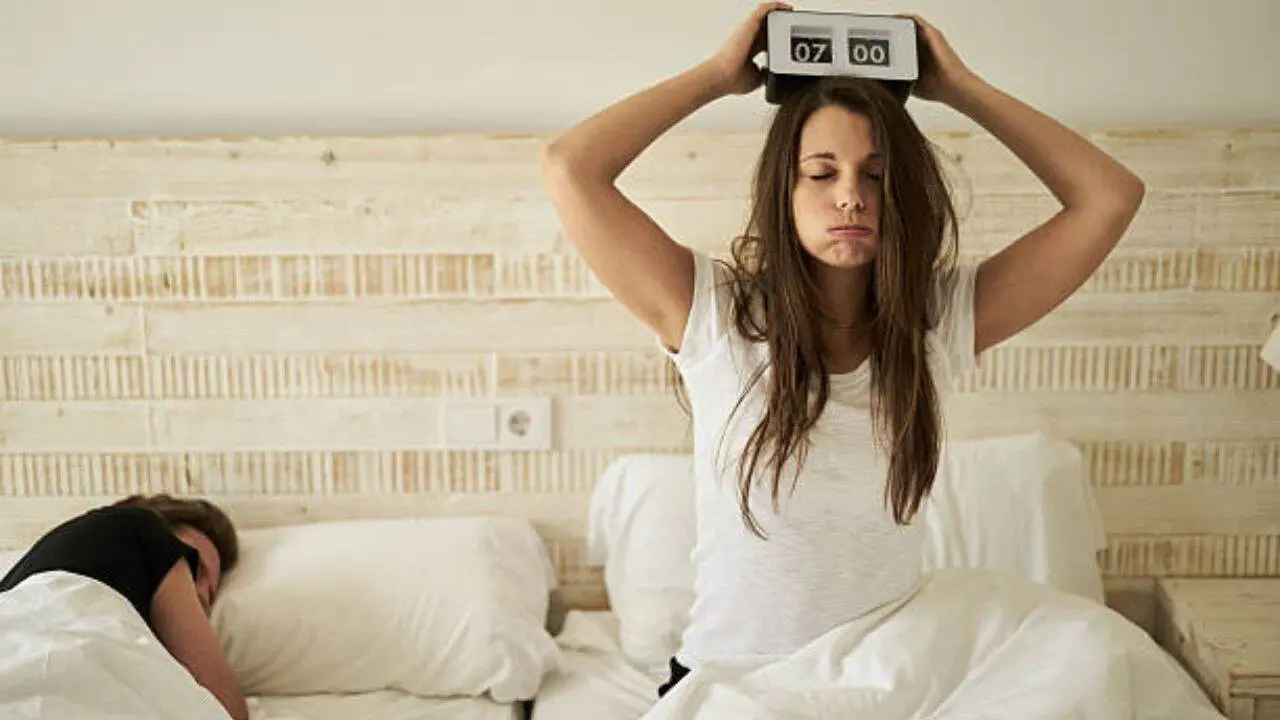
Sleeping eight hours does not guarantee restorative rest, say doctors who identify seven common reasons for waking up tired. Sleep quality differs from duration, and fragmented sleep prevents the brain from entering deep, slow-wave and REM stages needed for recovery. Causes include sleep apnea, stress, screen time before bed, and vitamin deficiencies.
Dr Kapil of SRM Prime Hospital and Dr Subramanian of Kauvery Hospital advise that loud snoring, gasping at night, or persistent daytime sleepiness warrant medical evaluation. Nutritional deficiencies such as low B12 or vitamin D can also disrupt sleep. Evening caffeine, alcohol, and nicotine interfere with the sleep cycle.
If fatigue continues for several weeks despite improved sleep habits, doctors recommend consulting a specialist. A dark, quiet room, consistent sleep and wake times, limited evening screen use, and avoiding stimulants late at night can improve sleep quality.
Indian Opinion Analysis
Sleep architecture matters more than hours logged. The sleep cycle, governed by the brain, moves through light, deep, and REM stages, each with a distinct role in recovery. Deep sleep repairs tissue and clears metabolic waste, REM sleep consolidates memory and regulates mood. Disruptions, whether from apnea, stimulants, or a racing mind, fragment this sequence, robbing the body of its restorative phases. Doctors assess sleep quality through polysomnography, which tracks brain waves, eye movements, and heart rate. The next step for someone with persistent fatigue is typically a clinical evaluation: a general practitioner rules out thyroid disorders, B12 or vitamin D deficiencies via blood tests, and, if snoring or gasping is present, refers the patient for a sleep study. That test measures the apnea-hypopnea index, a count of breathing pauses per hour that determines whether CPAP therapy or lifestyle changes are warranted.
Source: timesnownews.com
This brief was synthesised by AI from the source linked above. Methodology and corrections.