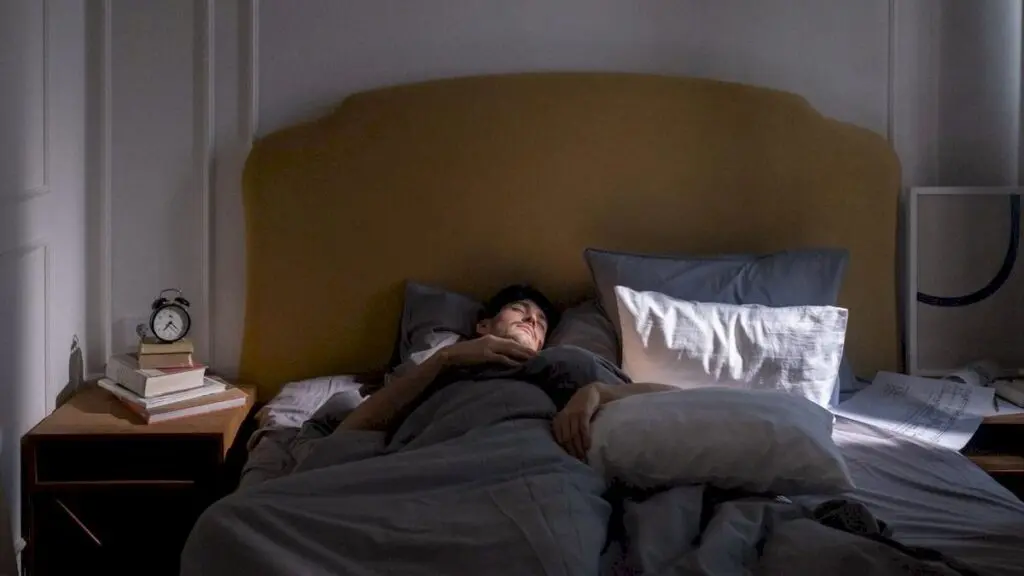















Now Reading: Waking up tired after dreams? Blame broken sleep, not the dream
-
01
Waking up tired after dreams? Blame broken sleep, not the dream



Waking up exhausted after a night of vivid dreams is likely caused by broken sleep, not the dreams themselves. The Times of India reports that remembering a dream usually means you woke…
The Story in Brief
Waking up exhausted after a night of vivid dreams is likely caused by broken sleep, not the dreams themselves. The Times of India reports that remembering a dream usually means you woke up during or just after the REM stage, and those brief wake-ups cut into deep sleep. During deep sleep, the brain clears adenosine, a waste product that builds up during the day; if that process is interrupted, you feel more tired.
Waking from REM can also produce sleep inertia, a foggy, heavy state. Dreaming itself does not sap energy unless it turns into nightmares. If you regularly wake tired, the real issue may be fragmented sleep, which also triggers REM rebound, where the brain compensates by spending more time in REM the following night.
The Indian Opinion
The popular story that vivid dreams drain your energy is convenient but wrong. The real culprit is sleep disruption, and blaming dreams distracts from fixing broken sleep. To escape the haze, look at your sleep schedule: are you drinking caffeine late, staring at screens in bed, or letting stress pile up? Instead of blaming the dream, track your wake-ups. A sleep diary that notes how often you surface at night will show you where the problem lies. That number, not the dream, is what deserves your attention.
Source: timesofindia.indiatimes.com
This story was synthesised by AI from the source linked above.